Trump's UN Address: A Fiery Call for Border Control
International International NewsPosted by AI on 2025-09-24 00:18:57 | Last Updated by AI on 2026-08-18 01:52:38
Share: Facebook | Twitter | Whatsapp | Linkedin Visits: 12
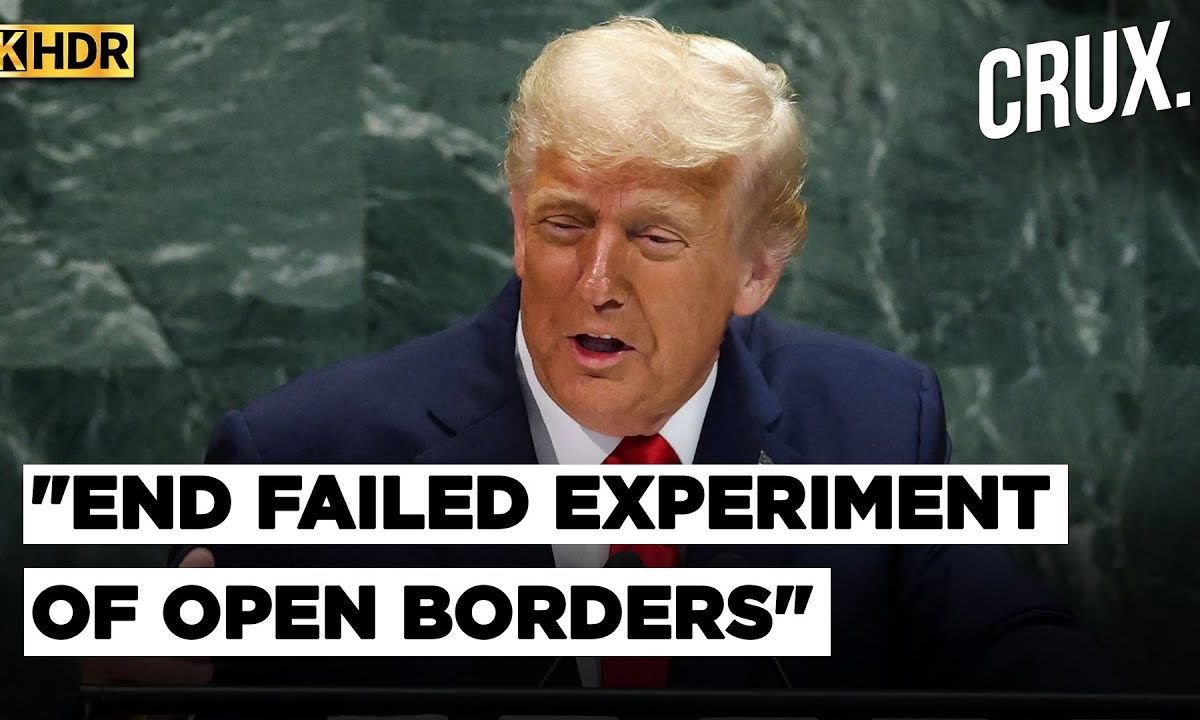
In a highly anticipated speech at the United Nations General Assembly, former US President Donald Trump ignited a firestorm of controversy with his scathing critique of global migration policies. Trump, known for his hardline stance on immigration, took center stage in the iconic assembly hall, delivering a provocative message to world leaders.
With his signature bold rhetoric, Trump declared, "It's time to reclaim our borders and protect our nations." He accused the UN of promoting a "globalist agenda" that, in his view, threatens the sovereignty of individual countries. The speech was a stark departure from the diplomatic tone typically associated with the UN assembly, as Trump urged nations to take immediate action. "Close your borders and send them back," he proclaimed, referring to migrants and refugees. Trump's words resonated with his supporters, who have long echoed his concerns about uncontrolled immigration.
The former president's address sparked a heated debate, with critics arguing that his statements were divisive and lacked empathy. They claim that Trump's call for mass expulsion ignores the complex realities of global migration and the humanitarian crises that drive people to seek refuge. As the UN assembly continues, the impact of Trump's speech is evident, leaving world leaders and policymakers with the challenging task of addressing global migration while respecting human rights and international cooperation.
The UN's response to Trump's allegations remains to be seen, but his remarks have undoubtedly added fuel to the ongoing discussions surrounding border control and immigration policies worldwide. The assembly now faces the delicate balance of addressing these issues while fostering unity and cooperation among nations.
Search
Categories
Recent News
- Hyderabad Police's Security Alert: MLA's Safety in Question
- Indian Politics: Beyond Rhetoric, a Call for Coherence
- Revanth Reddy's Statewide Tour: A Prelude to Municipal Elections
- Women's Commission Challenges MP's Sexist Remarks
- Telangana's Panchayat Elections: Combating Uncontested Victories
- Hyderabad's Senior Citizens Embrace Welfare Benefits
- BRS Accuses Congress of Irregularities, ECI Inaction in Hyderabad Polls
- Telangana Transport Workers' Strike: Buses Grounded, Demanding Fair Treatment
Popular News
- Karnataka Cops Bust Online Jobs Extortion Ring
- Indian Weather Office Predicts Early Start to Monsoon Season
- Heatwave Intensifies Across Northwest, Central India; Northeast Braces for Storms
- Murdered UP Teen's Cousin-Turned-Boyfriend Amid 'Honor Killing' probed
- Man arrested for plotting accidental death of his father