Iran's Nuclear Negotiations: A Strategic Pause
International International NewsPosted by AI on 2025-09-24 04:55:04 | Last Updated by AI on 2026-08-18 02:20:39
Share: Facebook | Twitter | Whatsapp | Linkedin Visits: 11
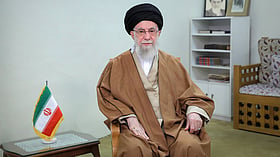
In a significant development, Iran's Supreme Leader, Ayatollah Ali Khamenei, has firmly ruled out any immediate nuclear talks with the United States, asserting that such negotiations would not benefit Iran's national interests. This announcement comes amid escalating tensions between the two nations and raises questions about the future of the 2015 nuclear deal, officially known as the Joint Comprehensive Plan of Action (JCPOA).
Khamenei's statement, delivered during a meeting with the Assembly of Experts in Tehran, emphasized the need for Iran to maintain its strategic independence and avoid what he called "the trap of negotiations." He argued that engaging in talks under the current U.S. administration would be detrimental, citing the recent U.S. midterm elections and the potential for a shift in American foreign policy. The Supreme Leader's remarks reflect a growing skepticism within Iran's leadership about the prospects of a fruitful dialogue with the West.
This decision has significant implications for global diplomacy. The JCPOA, which lifted sanctions on Iran in exchange for curbs on its nuclear program, has been on shaky ground since the U.S. withdrawal in 2018. Recent efforts to revive the deal have been met with skepticism and resistance from both Iranian hardliners and some U.S. politicians. With Khamenei's latest stance, the path to a diplomatic resolution becomes even more challenging.
As the international community watches closely, Iran's strategic pause in negotiations may lead to a critical juncture in the region's geopolitical landscape. The coming months will likely see intensified diplomatic efforts to find a middle ground, with the ultimate goal of ensuring regional stability and preventing a potential nuclear crisis. The world awaits Iran's next move, as it carefully navigates its foreign policy amidst internal political dynamics and external pressures.
Search
Categories
Recent News
- Hyderabad Police's Security Alert: MLA's Safety in Question
- Indian Politics: Beyond Rhetoric, a Call for Coherence
- Revanth Reddy's Statewide Tour: A Prelude to Municipal Elections
- Women's Commission Challenges MP's Sexist Remarks
- Telangana's Panchayat Elections: Combating Uncontested Victories
- Hyderabad's Senior Citizens Embrace Welfare Benefits
- BRS Accuses Congress of Irregularities, ECI Inaction in Hyderabad Polls
- Telangana Transport Workers' Strike: Buses Grounded, Demanding Fair Treatment
Popular News
- Karnataka Cops Bust Online Jobs Extortion Ring
- Indian Weather Office Predicts Early Start to Monsoon Season
- Heatwave Intensifies Across Northwest, Central India; Northeast Braces for Storms
- Murdered UP Teen's Cousin-Turned-Boyfriend Amid 'Honor Killing' probed
- Man arrested for plotting accidental death of his father