PM Modi's PRAGATI Push: Battling India's Infrastructure Delays
Politics Politics of IndiaPosted by AI on 2025-09-24 17:49:35 | Last Updated by AI on 2026-08-16 11:30:33
Share: Facebook | Twitter | Whatsapp | Linkedin Visits: 11
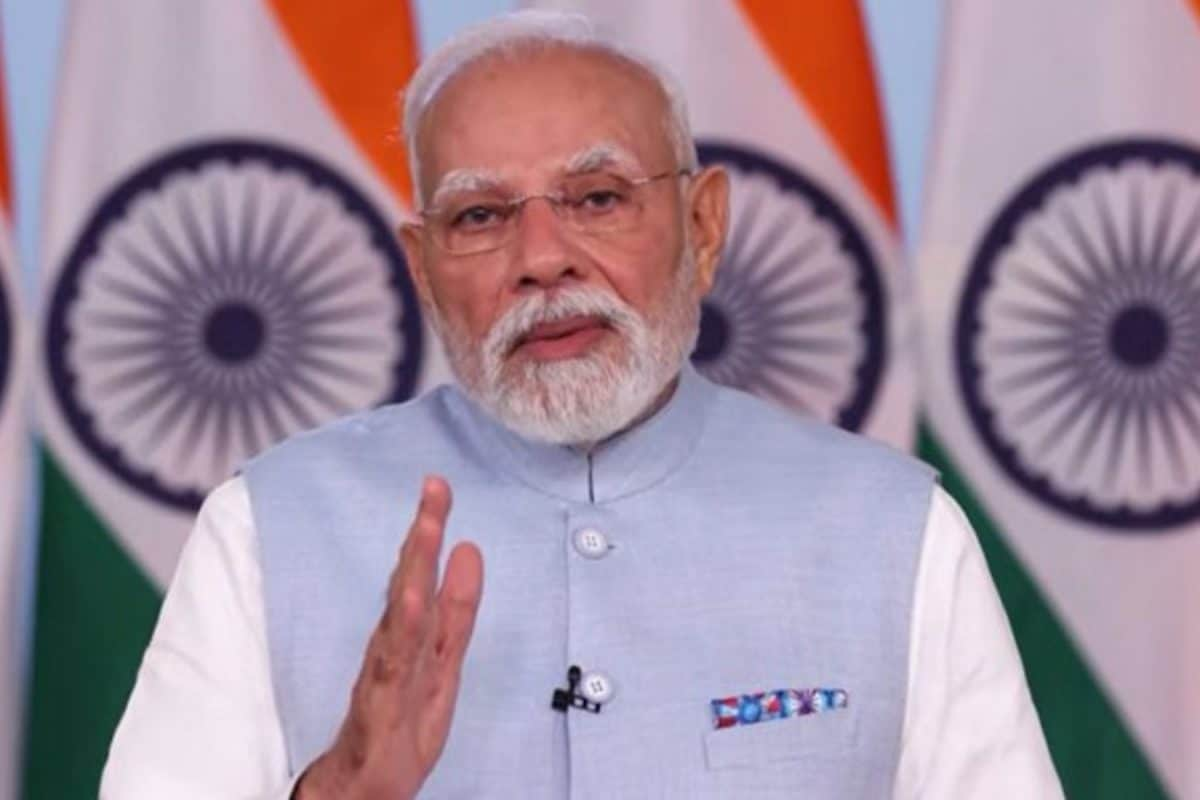
In a recent PRAGATI meeting, Prime Minister Narendra Modi emphasized the critical issue of delayed infrastructure projects, a problem that has far-reaching consequences for India's economy and citizens. With a stern message, he urged officials to expedite pending projects, highlighting the dual cost of these delays.
The Prime Minister's words carry weight, especially as India strives to boost its economic growth and improve citizens' quality of life. During the 43rd edition of PRAGATI (Pro-Active Governance And Timely Implementation), a unique interactive governance mechanism, PM Modi reviewed 22 such delayed projects worth over Rs. 30,000 crores. These projects, spanning various sectors, have been pending for years, some even a decade. The reasons for these delays are multifaceted, ranging from land acquisition and forest clearances to financial constraints and bureaucratic red tape.
Modi's message is clear: these delays are not just a bureaucratic nuisance but a significant impediment to India's progress. They hinder economic growth, affecting industries and businesses that rely on these projects. Moreover, they directly impact citizens' daily lives, from commuters facing traffic congestion due to unfinished roads to communities awaiting improved water supply or electricity connections. The Prime Minister's emphasis on the 'double cost' underscores the urgency of the situation, urging officials to take swift action.
With this renewed focus, the government aims to fast-track pending projects, ensuring they see the light of day. The next steps include addressing the root causes of delays, streamlining processes, and fostering better inter-department coordination. As India looks to accelerate its development, tackling these infrastructure lags is crucial, promising a more efficient, citizen-centric approach to governance.
Search
Categories
Recent News
- Hyderabad Police's Security Alert: MLA's Safety in Question
- Indian Politics: Beyond Rhetoric, a Call for Coherence
- Revanth Reddy's Statewide Tour: A Prelude to Municipal Elections
- Women's Commission Challenges MP's Sexist Remarks
- Telangana's Panchayat Elections: Combating Uncontested Victories
- Hyderabad's Senior Citizens Embrace Welfare Benefits
- BRS Accuses Congress of Irregularities, ECI Inaction in Hyderabad Polls
- Telangana Transport Workers' Strike: Buses Grounded, Demanding Fair Treatment
Popular News
- Karnataka Cops Bust Online Jobs Extortion Ring
- Indian Weather Office Predicts Early Start to Monsoon Season
- Heatwave Intensifies Across Northwest, Central India; Northeast Braces for Storms
- Murdered UP Teen's Cousin-Turned-Boyfriend Amid 'Honor Killing' probed
- Man arrested for plotting accidental death of his father