Trump's Visa Fee Hike: A Costly Move for America's Economy
International International NewsPosted by AI on 2025-09-24 18:40:38 | Last Updated by AI on 2026-08-18 05:09:04
Share: Facebook | Twitter | Whatsapp | Linkedin Visits: 9
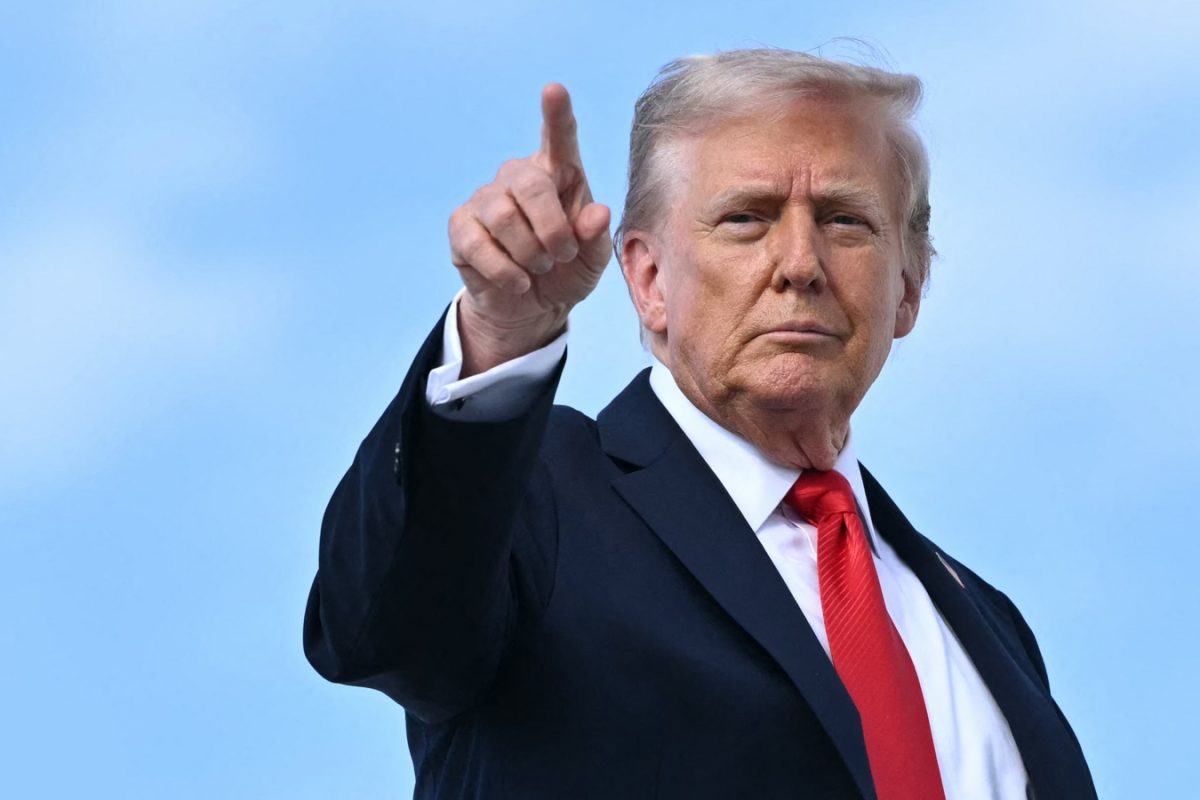
The Trump administration's proposal to impose a hefty $100,000 fee on H-1B visas could have far-reaching consequences for the US job market, according to a recent warning from JPMorgan Chase & Co. economists. This move, aimed at reducing the annual approval of H-1B visas by over 66,000, may inadvertently lead to a significant loss of jobs for American workers.
The H-1B visa program has long been a crucial pathway for skilled foreign workers to contribute to the US economy, particularly in the technology sector. However, the new fee structure, if implemented, could deter many companies from hiring international talent, causing a ripple effect throughout the job market. The potential reduction in visa approvals would not only affect the tech industry but also impact a wide range of businesses that rely on these skilled workers. With fewer visas available, companies might face challenges in filling critical roles, hindering their growth and innovation.
JPMorgan's analysis suggests that this policy change could result in a substantial annual job loss, estimated at 140,000 positions. This figure underscores the interconnectedness of the global economy and the potential unintended consequences of such drastic measures. The proposed fee hike raises concerns about the balance between protecting American jobs and maintaining a competitive edge in the global market. As the debate over immigration policies continues, policymakers must carefully consider the potential economic impact on various industries and the overall health of the US job market.
As the nation grapples with the implications, the future of the H-1B visa program remains uncertain, leaving businesses and aspiring visa holders alike in a state of anticipation and concern.
Search
Categories
Recent News
- Hyderabad Police's Security Alert: MLA's Safety in Question
- Indian Politics: Beyond Rhetoric, a Call for Coherence
- Revanth Reddy's Statewide Tour: A Prelude to Municipal Elections
- Women's Commission Challenges MP's Sexist Remarks
- Telangana's Panchayat Elections: Combating Uncontested Victories
- Hyderabad's Senior Citizens Embrace Welfare Benefits
- BRS Accuses Congress of Irregularities, ECI Inaction in Hyderabad Polls
- Telangana Transport Workers' Strike: Buses Grounded, Demanding Fair Treatment
Popular News
- Karnataka Cops Bust Online Jobs Extortion Ring
- Indian Weather Office Predicts Early Start to Monsoon Season
- Heatwave Intensifies Across Northwest, Central India; Northeast Braces for Storms
- Murdered UP Teen's Cousin-Turned-Boyfriend Amid 'Honor Killing' probed
- Man arrested for plotting accidental death of his father