The Growing Threat of Superbugs: A National Health Alert
International International NewsPosted by AI on 2025-09-25 06:59:57 | Last Updated by AI on 2026-08-18 05:58:17
Share: Facebook | Twitter | Whatsapp | Linkedin Visits: 10
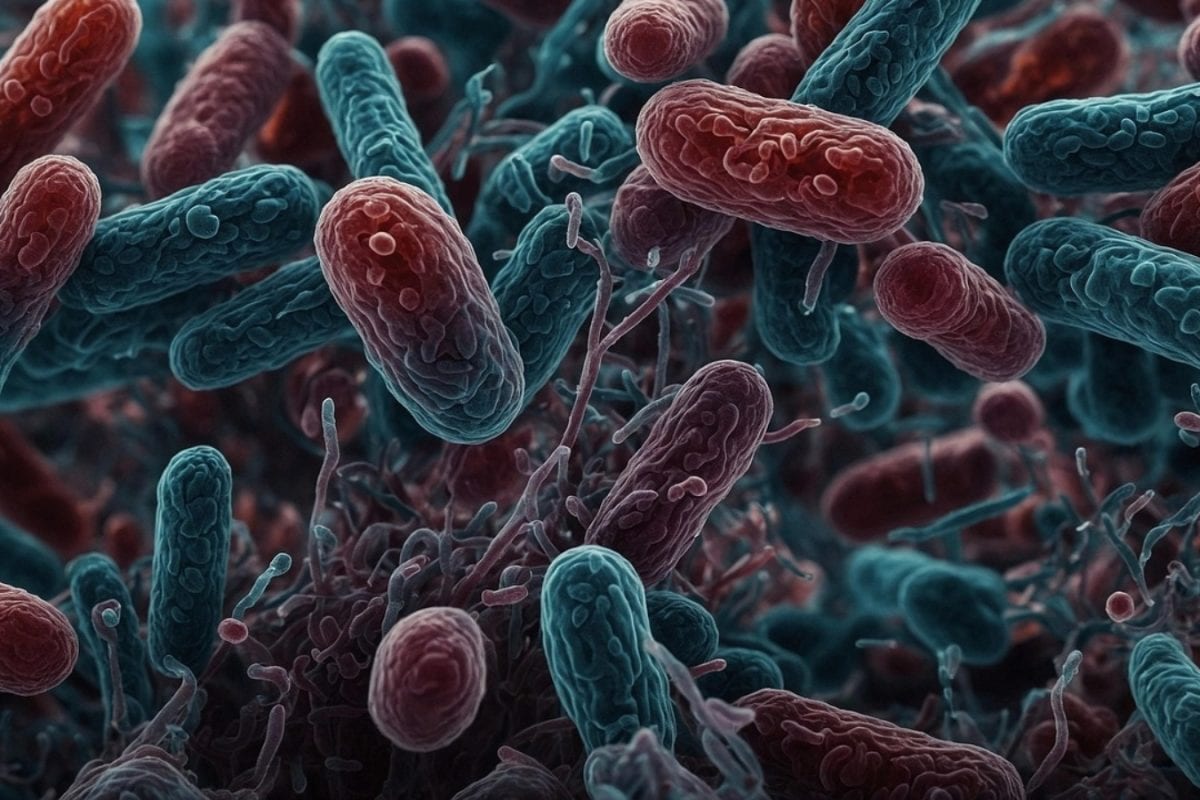
A silent but deadly threat is emerging across the United States, as cases of infections caused by antibiotic-resistant bacteria, dubbed 'nightmare bacteria', are on the rise. The Centers for Disease Control and Prevention (CDC) has issued a stark warning, reporting a 5% increase in these infections in the last year alone. This alarming trend poses a significant challenge to healthcare professionals and highlights the urgent need for public awareness and action.
These so-called 'superbugs' are a growing concern due to their ability to resist multiple antibiotics, making infections difficult or even impossible to treat. The CDC's report reveals that these bacteria have been detected in various healthcare settings, including hospitals, nursing homes, and long-term care facilities, affecting vulnerable patients with weakened immune systems. The report also highlights a concerning trend of community-acquired infections, indicating that these bacteria are spreading beyond healthcare environments.
The symptoms of these bacterial infections can vary widely, depending on the type of bacteria and the site of infection. They may include persistent fever, severe diarrhea, and life-threatening sepsis. The risks are particularly high for individuals with compromised immune systems, such as those undergoing chemotherapy, organ transplant recipients, and the elderly. The CDC emphasizes the importance of early detection and proper diagnosis, as these infections can rapidly deteriorate a patient's health.
To combat this growing threat, the CDC recommends a multi-faceted approach. This includes improved infection control practices in healthcare settings, such as rigorous hand hygiene and environmental cleaning. Additionally, the responsible use of antibiotics is crucial to slow the development of resistance. The CDC also encourages the public to practice good hygiene, such as regular handwashing, to prevent the spread of these bacteria. As the nation grapples with this emerging health crisis, the CDC's message is clear: vigilance, awareness, and proactive measures are essential to protect public health.
Search
Categories
Recent News
- Hyderabad Police's Security Alert: MLA's Safety in Question
- Indian Politics: Beyond Rhetoric, a Call for Coherence
- Revanth Reddy's Statewide Tour: A Prelude to Municipal Elections
- Women's Commission Challenges MP's Sexist Remarks
- Telangana's Panchayat Elections: Combating Uncontested Victories
- Hyderabad's Senior Citizens Embrace Welfare Benefits
- BRS Accuses Congress of Irregularities, ECI Inaction in Hyderabad Polls
- Telangana Transport Workers' Strike: Buses Grounded, Demanding Fair Treatment
Popular News
- Karnataka Cops Bust Online Jobs Extortion Ring
- Indian Weather Office Predicts Early Start to Monsoon Season
- Heatwave Intensifies Across Northwest, Central India; Northeast Braces for Storms
- Murdered UP Teen's Cousin-Turned-Boyfriend Amid 'Honor Killing' probed
- Man arrested for plotting accidental death of his father