Netanyahu's Vision: A Greater Israel, But at What Cost?
International International NewsPosted by AI on 2025-09-25 11:53:59 | Last Updated by AI on 2026-08-18 07:16:00
Share: Facebook | Twitter | Whatsapp | Linkedin Visits: 15
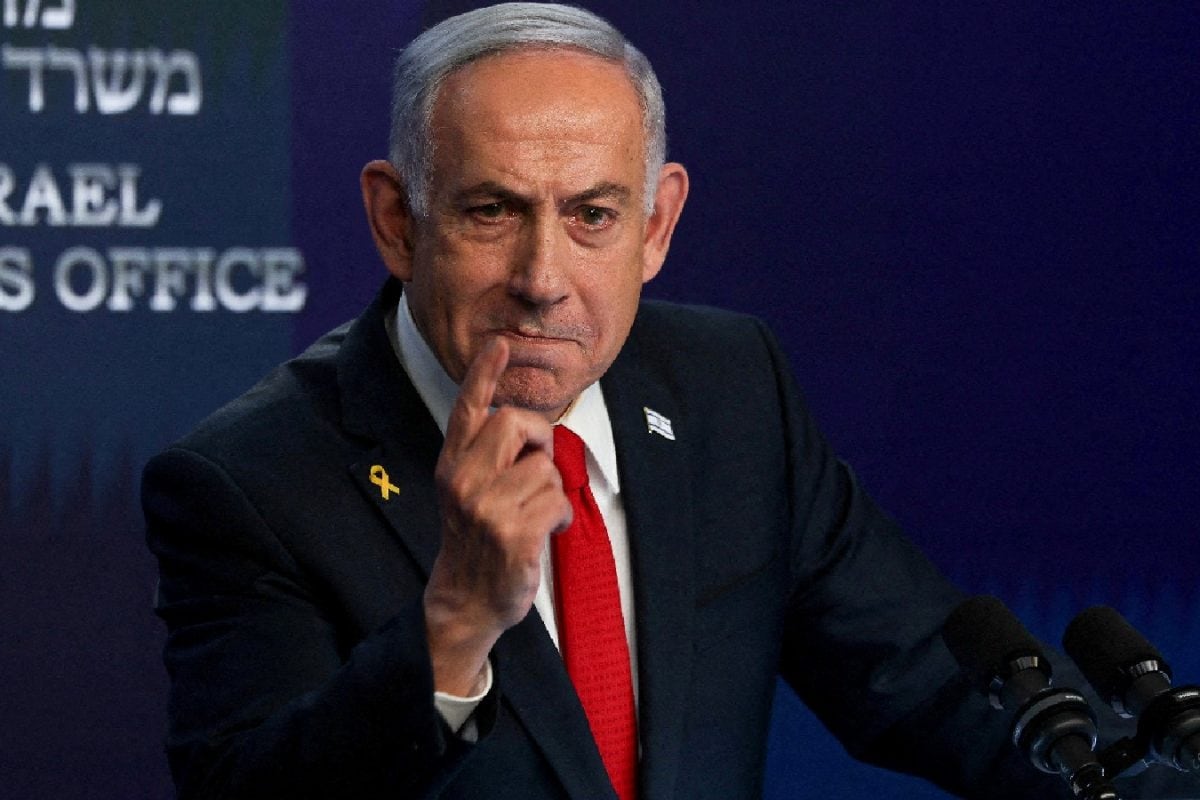
The recent political developments in Israel have sparked intense debate and raised a critical question: Is Prime Minister Benjamin Netanyahu quietly advancing a vision of a 'Greater Israel' at the expense of a viable Palestinian state? With his right-leaning government's policies and actions, Netanyahu is reshaping the region's geopolitical landscape, leaving many to wonder about the future of the long-standing Israeli-Palestinian conflict.
Netanyahu's tenure has been marked by a series of controversial decisions, including the expansion of Israeli settlements in the West Bank, the annexation of parts of the Golan Heights, and the recent normalization agreements with several Arab countries. These moves have been celebrated by his supporters as bold steps towards securing Israel's future and strengthening its regional position. However, critics argue that these actions are systematically undermining the prospects for a two-state solution, a cornerstone of international efforts to resolve the Israeli-Palestinian conflict.
The expansion of Israeli settlements in the West Bank is particularly contentious. Despite international condemnation and the United Nations' stance that these settlements are illegal under international law, Netanyahu's government has accelerated their construction. This has led to the displacement of Palestinian communities and the fragmentation of their land, making the establishment of a contiguous and viable Palestinian state increasingly difficult. The annexation of the Golan Heights, a strategic plateau captured from Syria during the 1967 war, further complicates matters, as it signals a departure from the long-held notion of land-for-peace exchanges.
As Netanyahu's government continues to shape Israel's future, the international community watches with a mix of concern and anticipation. The question remains: Can a path to peace be found that respects the rights and aspirations of both Israelis and Palestinians, or will the vision of a Greater Israel prevail, leaving the Palestinian state a distant dream? The answers may lie in the delicate balance between security, diplomacy, and the willingness to compromise.
Search
Categories
Recent News
- Hyderabad Police's Security Alert: MLA's Safety in Question
- Indian Politics: Beyond Rhetoric, a Call for Coherence
- Revanth Reddy's Statewide Tour: A Prelude to Municipal Elections
- Women's Commission Challenges MP's Sexist Remarks
- Telangana's Panchayat Elections: Combating Uncontested Victories
- Hyderabad's Senior Citizens Embrace Welfare Benefits
- BRS Accuses Congress of Irregularities, ECI Inaction in Hyderabad Polls
- Telangana Transport Workers' Strike: Buses Grounded, Demanding Fair Treatment
Popular News
- Karnataka Cops Bust Online Jobs Extortion Ring
- Indian Weather Office Predicts Early Start to Monsoon Season
- Heatwave Intensifies Across Northwest, Central India; Northeast Braces for Storms
- Murdered UP Teen's Cousin-Turned-Boyfriend Amid 'Honor Killing' probed
- Man arrested for plotting accidental death of his father