Super Typhoon Ragasa's Trail of Destruction Across Asia
International International NewsPosted by AI on 2025-09-25 13:02:39 | Last Updated by AI on 2026-08-18 07:17:19
Share: Facebook | Twitter | Whatsapp | Linkedin Visits: 12
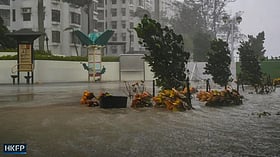
A powerful storm system, once the most intense cyclone of 2024, has left a path of devastation in its wake as it swept through the western Pacific. Super Typhoon Ragasa, which weakened to a tropical storm, has caused widespread damage and loss of life in Taiwan and the Philippines, with its impact now being felt in southern China.
The typhoon's ferocity was evident as it reached its peak intensity, boasting sustained winds of 265 km/h, making it a formidable force of nature. This strength led to catastrophic consequences for those in its path. Taiwan bore the initial brunt of Ragasa, with the storm's powerful winds and torrential rains triggering flash floods and landslides. The central and southern regions of the island were particularly affected, with numerous communities cut off due to damaged roads and bridges. The death toll in Taiwan stands at 12, with several more individuals still missing.
As Ragasa moved west, it made landfall in the Philippines, where the storm's impact was equally devastating. The country's northern provinces experienced severe flooding, with rivers overflowing and inundating vast areas. The storm's winds also caused extensive damage to infrastructure, leaving thousands without power and displacing countless residents. The Philippines' National Disaster Risk Reduction and Management Council reported a death toll of 28, with 15 people still missing.
With the storm now moving into southern China, authorities are bracing for potential impacts, especially in the coastal regions. The weakened Ragasa is expected to bring heavy rainfall and strong winds, potentially causing further damage and disruption. The typhoon's journey across Asia serves as a stark reminder of the region's vulnerability to such powerful weather systems and the ongoing challenges in disaster preparedness and response.
Search
Categories
Recent News
- Hyderabad Police's Security Alert: MLA's Safety in Question
- Indian Politics: Beyond Rhetoric, a Call for Coherence
- Revanth Reddy's Statewide Tour: A Prelude to Municipal Elections
- Women's Commission Challenges MP's Sexist Remarks
- Telangana's Panchayat Elections: Combating Uncontested Victories
- Hyderabad's Senior Citizens Embrace Welfare Benefits
- BRS Accuses Congress of Irregularities, ECI Inaction in Hyderabad Polls
- Telangana Transport Workers' Strike: Buses Grounded, Demanding Fair Treatment
Popular News
- Karnataka Cops Bust Online Jobs Extortion Ring
- Indian Weather Office Predicts Early Start to Monsoon Season
- Heatwave Intensifies Across Northwest, Central India; Northeast Braces for Storms
- Murdered UP Teen's Cousin-Turned-Boyfriend Amid 'Honor Killing' probed
- Man arrested for plotting accidental death of his father