Trump's Tariff Threat: A Prescription for Change or Crisis?
International International NewsPosted by AI on 2025-09-26 03:34:26 | Last Updated by AI on 2026-08-18 09:38:10
Share: Facebook | Twitter | Whatsapp | Linkedin Visits: 13
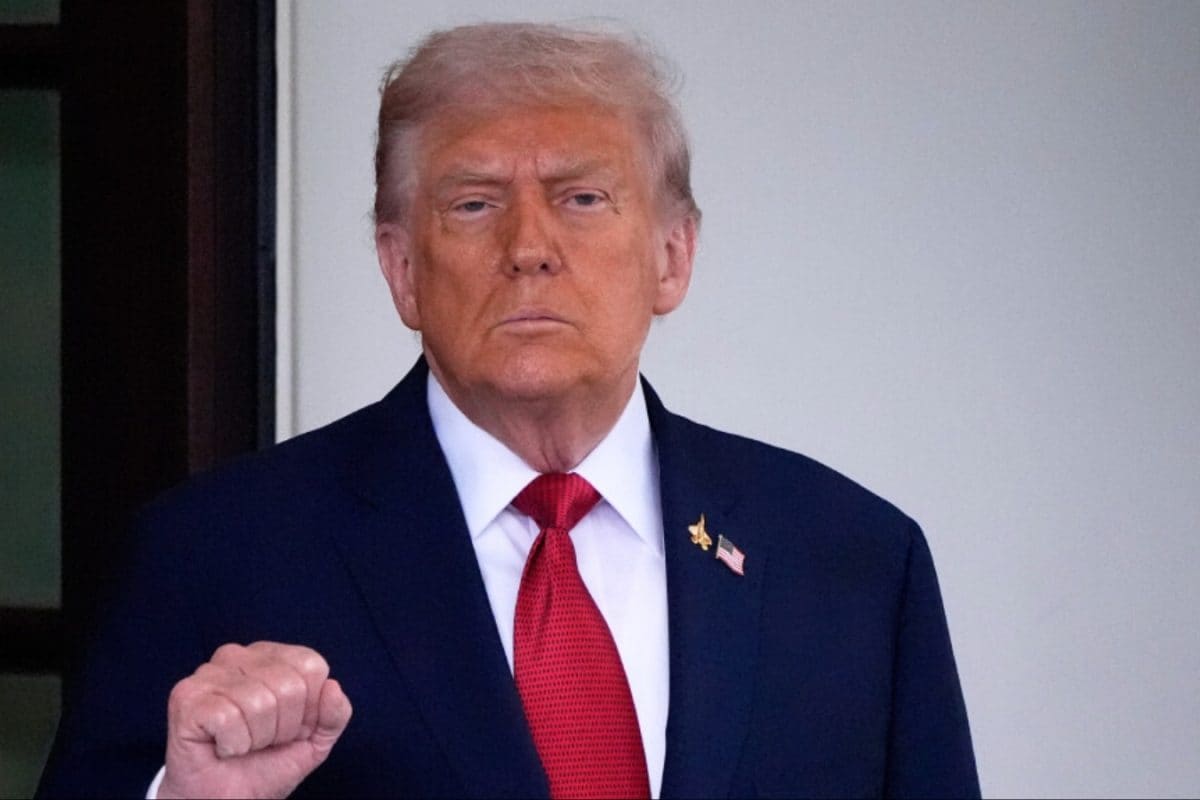
In a bold move, former President Donald Trump has issued a stark warning to the pharmaceutical industry, declaring a 100% tariff on imported branded drugs effective October 1, 2025. This announcement, made during a press conference at his Mar-a-Lago resort, has sent shockwaves through the industry and sparked intense debate.
Trump's rationale is clear: he aims to incentivize pharmaceutical companies to establish manufacturing plants on American soil, creating jobs and reducing the country's reliance on foreign-made drugs. "We will no longer tolerate the outsourcing of our medical needs," Trump stated, "It's time to bring these vital industries back home, ensuring quality control and boosting our economy." This move is a significant departure from traditional Republican policies, which typically favor free trade and market forces.
The potential impact of this tariff is far-reaching. With the US heavily reliant on imported pharmaceuticals, the sudden increase in costs could lead to a crisis in drug availability and affordability. Critics argue that this move may disrupt the supply chain, causing shortages and price hikes for essential medications. The tariff could also strain diplomatic relations with major pharmaceutical exporters like India and Ireland, potentially leading to retaliatory measures.
As the pharmaceutical industry grapples with this impending change, the public awaits further details and clarifications. Will this policy encourage domestic production and innovation, or will it lead to a healthcare crisis? The coming months will be crucial in determining the success or failure of Trump's latest economic strategy.
Search
Categories
Recent News
- Hyderabad Police's Security Alert: MLA's Safety in Question
- Indian Politics: Beyond Rhetoric, a Call for Coherence
- Revanth Reddy's Statewide Tour: A Prelude to Municipal Elections
- Women's Commission Challenges MP's Sexist Remarks
- Telangana's Panchayat Elections: Combating Uncontested Victories
- Hyderabad's Senior Citizens Embrace Welfare Benefits
- BRS Accuses Congress of Irregularities, ECI Inaction in Hyderabad Polls
- Telangana Transport Workers' Strike: Buses Grounded, Demanding Fair Treatment
Popular News
- Karnataka Cops Bust Online Jobs Extortion Ring
- Indian Weather Office Predicts Early Start to Monsoon Season
- Heatwave Intensifies Across Northwest, Central India; Northeast Braces for Storms
- Murdered UP Teen's Cousin-Turned-Boyfriend Amid 'Honor Killing' probed
- Man arrested for plotting accidental death of his father