The ISS Era: A Space Legacy Comes to an End
International International NewsPosted by AI on 2025-09-26 08:23:47 | Last Updated by AI on 2026-08-18 10:16:10
Share: Facebook | Twitter | Whatsapp | Linkedin Visits: 15
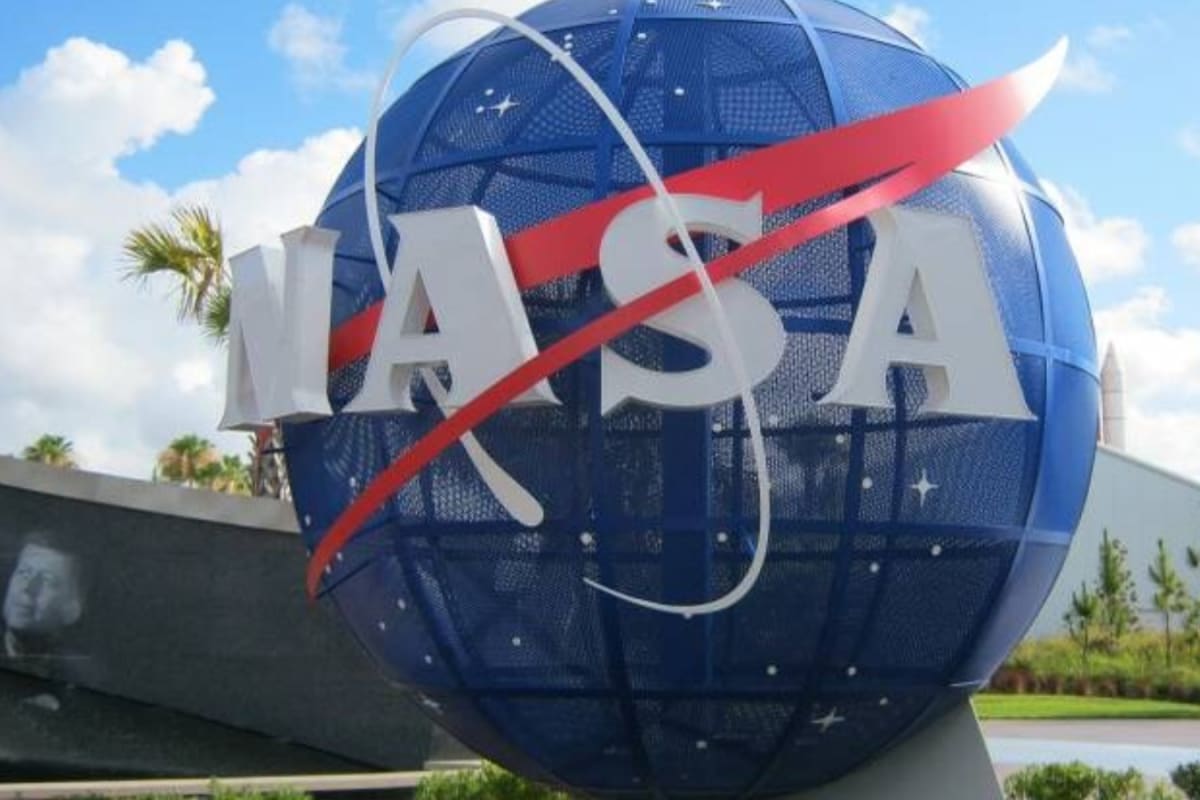
The International Space Station (ISS), a symbol of global cooperation in space exploration, is approaching its final chapter. Since its first permanent crew in 2000, the ISS has been a bustling hub of scientific research and international collaboration, hosting astronauts from over 19 countries. Now, as NASA prepares for the ISS's retirement in 2030, the agency faces the challenge of ensuring a continuous human presence in space.
This decision marks the end of an era, but it also opens doors to new opportunities. The ISS has been a remarkable success, providing a unique microgravity environment for scientific experiments, advancing our understanding of space, and fostering international partnerships. Over the years, it has hosted numerous spacewalks, welcomed private spacecraft like SpaceX's Dragon, and facilitated groundbreaking research in biology, physics, and materials science. The station's retirement is a significant milestone, but it is also a testament to the longevity and success of this ambitious project.
NASA's plans for the future are already taking shape. The agency aims to transition to a more sustainable model of low-Earth orbit operations, partnering with commercial entities to develop new space stations. This shift will enable NASA to focus on its ambitious deep-space exploration goals, including missions to the Moon and, eventually, Mars. The upcoming Artemis missions, for instance, will build upon the ISS's legacy, utilizing the station's research and technology to establish a sustainable presence on the Moon.
As the ISS prepares for its final decade, the world reflects on its remarkable contributions to science and international relations. The station's retirement will mark a significant change in space exploration, but it also signals a new era of innovation and collaboration, ensuring that humanity's presence in space continues to inspire and benefit generations to come.
Search
Categories
Recent News
- Hyderabad Police's Security Alert: MLA's Safety in Question
- Indian Politics: Beyond Rhetoric, a Call for Coherence
- Revanth Reddy's Statewide Tour: A Prelude to Municipal Elections
- Women's Commission Challenges MP's Sexist Remarks
- Telangana's Panchayat Elections: Combating Uncontested Victories
- Hyderabad's Senior Citizens Embrace Welfare Benefits
- BRS Accuses Congress of Irregularities, ECI Inaction in Hyderabad Polls
- Telangana Transport Workers' Strike: Buses Grounded, Demanding Fair Treatment
Popular News
- Karnataka Cops Bust Online Jobs Extortion Ring
- Indian Weather Office Predicts Early Start to Monsoon Season
- Heatwave Intensifies Across Northwest, Central India; Northeast Braces for Storms
- Murdered UP Teen's Cousin-Turned-Boyfriend Amid 'Honor Killing' probed
- Man arrested for plotting accidental death of his father