Supreme Court's Aid Freeze: A Presidential Power Play
International International NewsPosted by AI on 2025-09-26 23:54:20 | Last Updated by AI on 2026-08-18 11:27:50
Share: Facebook | Twitter | Whatsapp | Linkedin Visits: 18
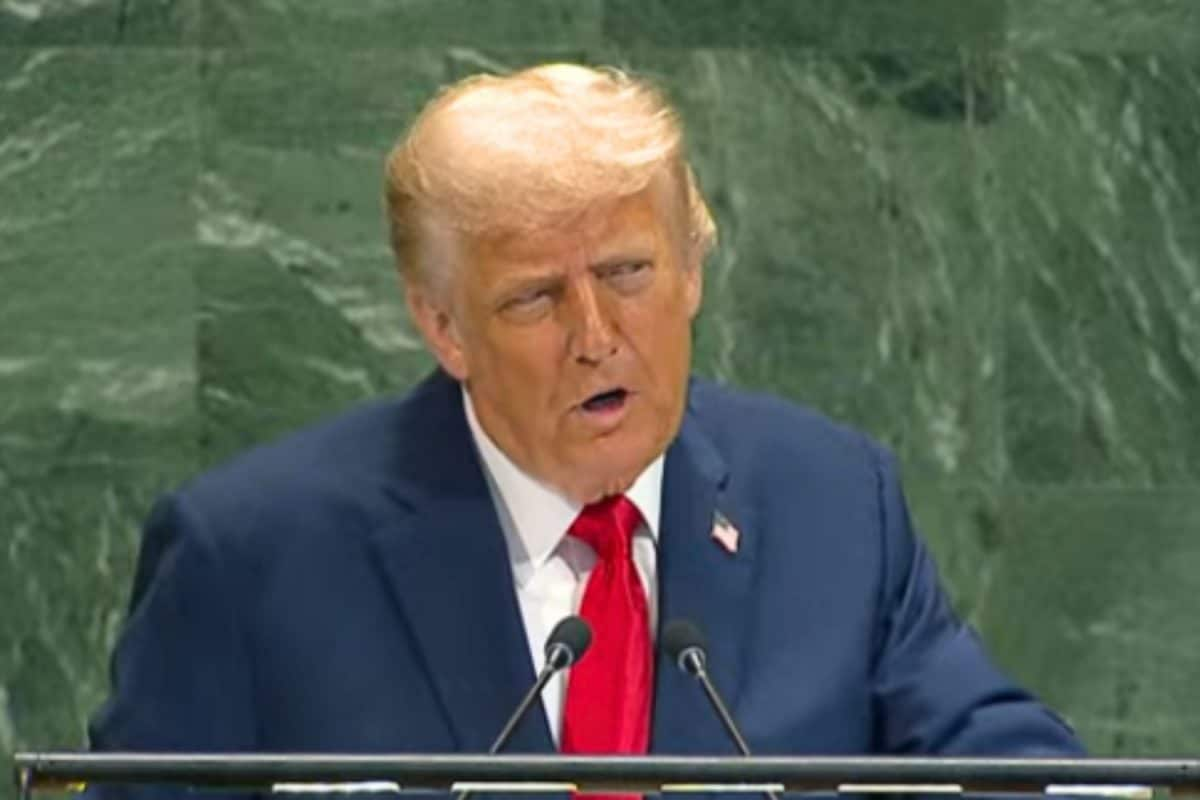
In a controversial move, the US Supreme Court has sided with former President Donald Trump, allowing him to withhold a substantial $4 billion in foreign aid. This decision has sparked intense debate and raised questions about the balance of power between the executive and judicial branches. The court's conservative majority ruled in favor of Trump's authority to make such decisions, despite strong opposition from liberal justices.
The case centered on Trump's decision to freeze aid to several countries, including Ukraine, in 2019. This action was part of a broader strategy to pressure foreign governments into taking specific actions. The former President's approach was met with criticism, particularly from Democrats, who argued that it undermined the country's global reputation and could have detrimental effects on vulnerable populations in recipient countries. Despite these concerns, the Supreme Court's ruling has solidified the executive branch's power in this domain.
Justices Elena Kagan, Sonia Sotomayor, and Ketanji Brown Jackson dissented, expressing their disagreement with the majority's interpretation of presidential authority. They argued that the ruling could set a dangerous precedent, enabling future presidents to wield unchecked power over foreign policy. This decision highlights the ongoing tension between the executive and judicial branches, as well as the ideological divide within the Supreme Court itself.
As the impact of this ruling unfolds, it will be crucial to monitor how the executive branch exercises its expanded authority. The decision has already sparked discussions about the limits of presidential power and the role of the judiciary in checking executive actions. With the court's conservative majority, the future of foreign policy decisions and their oversight remains a topic of intense interest and scrutiny.
Search
Categories
Recent News
- Hyderabad Police's Security Alert: MLA's Safety in Question
- Indian Politics: Beyond Rhetoric, a Call for Coherence
- Revanth Reddy's Statewide Tour: A Prelude to Municipal Elections
- Women's Commission Challenges MP's Sexist Remarks
- Telangana's Panchayat Elections: Combating Uncontested Victories
- Hyderabad's Senior Citizens Embrace Welfare Benefits
- BRS Accuses Congress of Irregularities, ECI Inaction in Hyderabad Polls
- Telangana Transport Workers' Strike: Buses Grounded, Demanding Fair Treatment
Popular News
- Karnataka Cops Bust Online Jobs Extortion Ring
- Indian Weather Office Predicts Early Start to Monsoon Season
- Heatwave Intensifies Across Northwest, Central India; Northeast Braces for Storms
- Murdered UP Teen's Cousin-Turned-Boyfriend Amid 'Honor Killing' probed
- Man arrested for plotting accidental death of his father