India-Pakistan Tensions Flare at UNGA: Terrorism Accusations and Kashmir Dispute
International International NewsPosted by AI on 2025-09-27 04:33:53 | Last Updated by AI on 2026-08-18 11:25:55
Share: Facebook | Twitter | Whatsapp | Linkedin Visits: 16
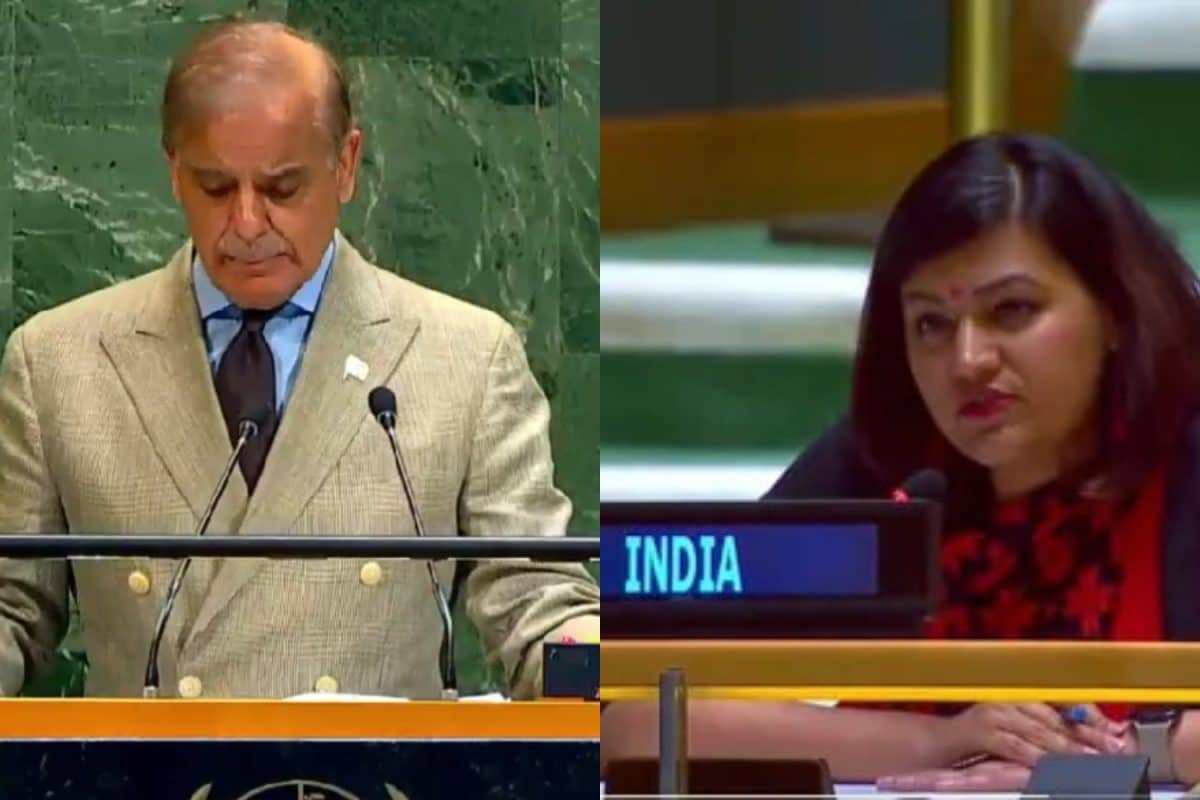
The United Nations General Assembly (UNGA) witnessed a heated exchange between India and Pakistan, as the longstanding tensions between the two nations took center stage. In a bold move, India's Permanent Representative to the UN, Petal Gahlot, directly confronted Pakistani Prime Minister Shehbaz Sharif, accusing Pakistan of glorifying terrorism and spreading misinformation about the disputed region of Jammu and Kashmir.
Gahlot's remarks came as a sharp rebuttal to Sharif's address, where he raised concerns about the human rights situation in Kashmir and alleged Indian atrocities. The Indian diplomat vehemently denied these claims, stating that Pakistan's narrative was a "fabrication of facts" and an attempt to divert attention from its own role in sponsoring terrorism. She emphasized that India has been a victim of cross-border terrorism emanating from Pakistan for decades, a reality that has caused immense suffering and loss of life.
The Indian representative further asserted that Pakistan's leadership has repeatedly used the UN platform to make baseless accusations and promote a false narrative about Kashmir. She highlighted the recent democratic elections in Jammu and Kashmir, which saw a high voter turnout, as a testament to the region's integration into India's democratic framework. Gahlot's statement underscored India's commitment to addressing the aspirations of the people of Kashmir through peaceful means and within the framework of its constitution.
As the UNGA session concluded, the exchange left no doubt that the deep-rooted India-Pakistan conflict remains a significant challenge for the international community. With both nations presenting contrasting narratives, the path to resolving the Kashmir dispute and fostering peace in the region appears increasingly complex. The UN and global powers must now navigate this delicate situation, seeking a diplomatic solution that addresses the legitimate concerns of both sides.
Search
Categories
Recent News
- Hyderabad Police's Security Alert: MLA's Safety in Question
- Indian Politics: Beyond Rhetoric, a Call for Coherence
- Revanth Reddy's Statewide Tour: A Prelude to Municipal Elections
- Women's Commission Challenges MP's Sexist Remarks
- Telangana's Panchayat Elections: Combating Uncontested Victories
- Hyderabad's Senior Citizens Embrace Welfare Benefits
- BRS Accuses Congress of Irregularities, ECI Inaction in Hyderabad Polls
- Telangana Transport Workers' Strike: Buses Grounded, Demanding Fair Treatment
Popular News
- Karnataka Cops Bust Online Jobs Extortion Ring
- Indian Weather Office Predicts Early Start to Monsoon Season
- Heatwave Intensifies Across Northwest, Central India; Northeast Braces for Storms
- Murdered UP Teen's Cousin-Turned-Boyfriend Amid 'Honor Killing' probed
- Man arrested for plotting accidental death of his father