Bhutan PM Pushes for UNSC Overhaul: India and Japan Deserve Permanent Status
International International NewsPosted by AI on 2025-09-27 05:11:05 | Last Updated by AI on 2026-08-18 12:04:22
Share: Facebook | Twitter | Whatsapp | Linkedin Visits: 27
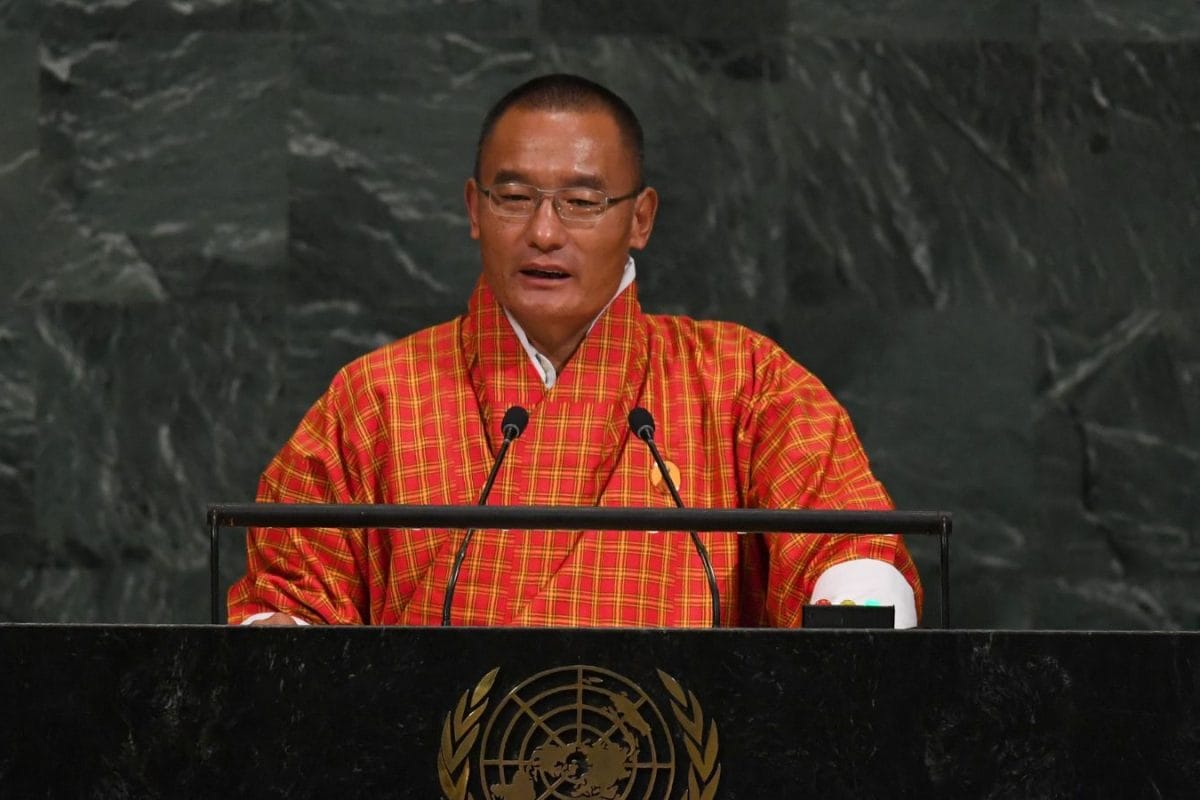
In a bold move, Bhutan's Prime Minister, Tshering Tobgay, has taken the international stage to advocate for a long-overdue reform of the United Nations Security Council (UNSC). His proposal, presented at the UN General Assembly, calls for the inclusion of India and Japan as permanent members, a move he believes will significantly enhance the Council's effectiveness and global representation.
Prime Minister Tobgay's address emphasized the need for a more inclusive and representative UNSC, reflecting the geopolitical realities of the 21st century. He argued that the current structure, largely unchanged since its inception in 1945, fails to adequately address the complex challenges of the modern world. By granting permanent seats to India and Japan, the UNSC would not only gain the insights of two major economic and political powers but also better represent the Asian continent, which currently has only one permanent member, China.
The Bhutanese leader's proposal is not without precedent. Over the years, various nations and UN reform advocates have pushed for similar changes, recognizing the need for a more balanced and diverse Security Council. Tobgay's speech received notable support from other member states, particularly those in the Asian region, who share the vision of a more equitable global governance system.
As the UN General Assembly continues its deliberations, the call for UNSC reform is gaining momentum. With Prime Minister Tobgay's passionate advocacy, the world is watching to see if this will be the turning point for a more inclusive and effective global security framework, one that truly represents the interests and voices of all nations.
Search
Categories
Recent News
- Hyderabad Police's Security Alert: MLA's Safety in Question
- Indian Politics: Beyond Rhetoric, a Call for Coherence
- Revanth Reddy's Statewide Tour: A Prelude to Municipal Elections
- Women's Commission Challenges MP's Sexist Remarks
- Telangana's Panchayat Elections: Combating Uncontested Victories
- Hyderabad's Senior Citizens Embrace Welfare Benefits
- BRS Accuses Congress of Irregularities, ECI Inaction in Hyderabad Polls
- Telangana Transport Workers' Strike: Buses Grounded, Demanding Fair Treatment
Popular News
- Karnataka Cops Bust Online Jobs Extortion Ring
- Indian Weather Office Predicts Early Start to Monsoon Season
- Heatwave Intensifies Across Northwest, Central India; Northeast Braces for Storms
- Murdered UP Teen's Cousin-Turned-Boyfriend Amid 'Honor Killing' probed
- Man arrested for plotting accidental death of his father