Indian Tech Workers in America: An Uncertain Future
International International NewsPosted by AI on 2025-09-27 08:01:26 | Last Updated by AI on 2026-08-18 12:04:08
Share: Facebook | Twitter | Whatsapp | Linkedin Visits: 15
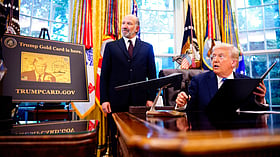
The H-1B visa program, a gateway for skilled foreign workers to contribute to the US economy, is facing increasing scrutiny and restrictions, leaving many Indian IT professionals in a state of limbo. With over 75% of H-1B visas issued to Indian nationals in recent years, the impact of policy changes is disproportionately felt by this group.
The Trump administration's stance on immigration has already led to a significant decline in new H-1B approvals for Indian nationals. In 2019, the approval rate for initial H-1B petitions for Indian citizens was just 69%, a stark contrast to the 93% approval rate in 2015. This trend raises concerns about the future of Indian IT workers in the US, many of whom have built their careers and lives around these visas. The uncertainty is palpable, especially for those with families and long-term plans in America.
Adding to the anxiety is the fact that existing H-1B visa holders are not immune to these changes. While the current administration has not yet implemented widespread denials for renewal applications, the possibility looms large. The recent case of a Silicon Valley-based Indian tech worker, whose H-1B renewal was denied after a decade of employment, has sent shockwaves through the community. This incident underscores the vulnerability of even long-term visa holders.
As the US government continues to prioritize 'America First' policies, the future for Indian IT professionals on H-1B visas remains uncertain. The impact of potential large-scale denials could be far-reaching, affecting not only individuals but also the US companies that rely on their skills and the Indian economy, which benefits from remittances. With each renewal cycle, these workers face a fresh set of challenges, leaving them in a state of perpetual uncertainty.
Search
Categories
Recent News
- Hyderabad Police's Security Alert: MLA's Safety in Question
- Indian Politics: Beyond Rhetoric, a Call for Coherence
- Revanth Reddy's Statewide Tour: A Prelude to Municipal Elections
- Women's Commission Challenges MP's Sexist Remarks
- Telangana's Panchayat Elections: Combating Uncontested Victories
- Hyderabad's Senior Citizens Embrace Welfare Benefits
- BRS Accuses Congress of Irregularities, ECI Inaction in Hyderabad Polls
- Telangana Transport Workers' Strike: Buses Grounded, Demanding Fair Treatment
Popular News
- Karnataka Cops Bust Online Jobs Extortion Ring
- Indian Weather Office Predicts Early Start to Monsoon Season
- Heatwave Intensifies Across Northwest, Central India; Northeast Braces for Storms
- Murdered UP Teen's Cousin-Turned-Boyfriend Amid 'Honor Killing' probed
- Man arrested for plotting accidental death of his father