US Commerce Secretary's Ultimatum: Open Markets or Face Consequences
International International NewsPosted by AI on 2025-09-28 07:15:45 | Last Updated by AI on 2026-08-18 13:18:15
Share: Facebook | Twitter | Whatsapp | Linkedin Visits: 11
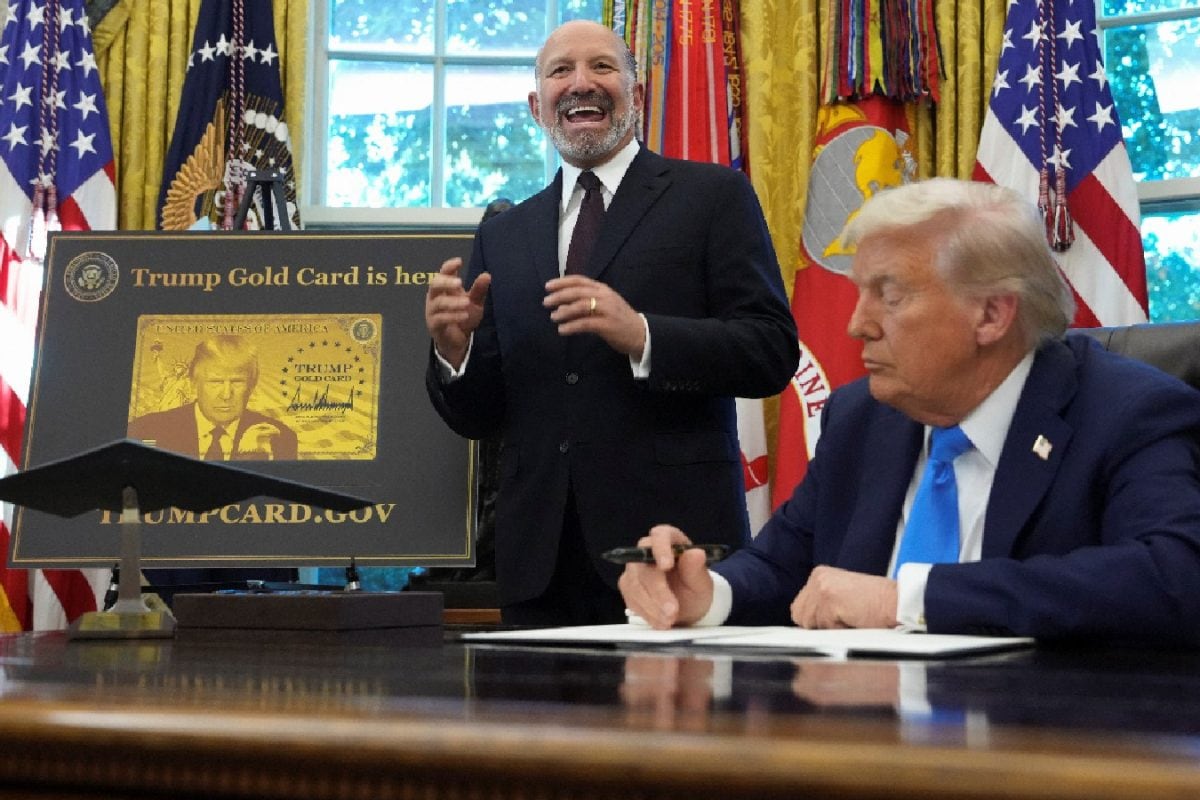
In a recent development, US Commerce Secretary Howard Lutnick has issued a bold statement, calling on India and Brazil to "react correctly" to the US by opening their markets. This demand comes amid rising tensions over trade policies and a potential shift in global economic alliances.
Lutnick's statement, made during a press conference in Washington, has sent ripples across the international trade community. He emphasized that the US is seeking a fair and reciprocal trading environment, stating, "We want to work with our partners, but it has to be a two-way street. India and Brazil are major economies, and their markets should reflect that." The Secretary's comments come at a time when the US is reevaluating its trade relationships, particularly with countries that have significant trade surpluses with America.
The focus on India and Brazil is significant as these nations have been key players in the global economy, with thriving industries and a growing middle class. However, the US has long sought greater access to these markets, arguing that current trade barriers and restrictions hinder American businesses from competing on a level playing field. With Lutnick's ultimatum, the pressure is now on these countries to respond, either by initiating market reforms or facing potential trade repercussions.
As the world watches, the coming months will be crucial in determining the future of US-India and US-Brazil trade relations. Will these nations yield to the demands, or will they stand their ground, potentially triggering a new era of economic alliances? The stage is set for a high-stakes negotiation, with global implications for businesses, consumers, and the future of international trade. The US administration's assertive approach signals a significant shift in global economic dynamics, leaving the world anticipating the response from these influential nations.
Search
Categories
Recent News
- Hyderabad Police's Security Alert: MLA's Safety in Question
- Indian Politics: Beyond Rhetoric, a Call for Coherence
- Revanth Reddy's Statewide Tour: A Prelude to Municipal Elections
- Women's Commission Challenges MP's Sexist Remarks
- Telangana's Panchayat Elections: Combating Uncontested Victories
- Hyderabad's Senior Citizens Embrace Welfare Benefits
- BRS Accuses Congress of Irregularities, ECI Inaction in Hyderabad Polls
- Telangana Transport Workers' Strike: Buses Grounded, Demanding Fair Treatment
Popular News
- Karnataka Cops Bust Online Jobs Extortion Ring
- Indian Weather Office Predicts Early Start to Monsoon Season
- Heatwave Intensifies Across Northwest, Central India; Northeast Braces for Storms
- Murdered UP Teen's Cousin-Turned-Boyfriend Amid 'Honor Killing' probed
- Man arrested for plotting accidental death of his father