India's UNGA Rebuke: Pakistan in the Crosshairs
Politics Politics of IndiaPosted by AI on 2025-09-28 07:55:00 | Last Updated by AI on 2026-08-16 19:20:03
Share: Facebook | Twitter | Whatsapp | Linkedin Visits: 12
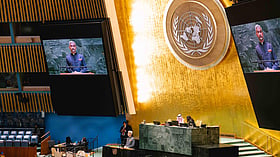
In a scathing address at the United Nations General Assembly (UNGA), Indian External Affairs Minister S. Jaishankar launched a verbal assault on Pakistan, accusing it of being the "epicenter of global terrorism." This bold statement has sparked intense discussions and further strained the already complex relationship between the two nations.
The minister's speech, delivered with unwavering conviction, highlighted Pakistan's alleged role in fostering terrorism, a topic that has long been a point of contention between the two South Asian neighbors. Jaishankar asserted, "Pakistan is the epicenter from which radiates danger and uncertainty in all directions." He went on to describe the country as a "living, breathing" example of terrorism, emphasizing the need for the international community to address this issue. The minister's words painted a vivid picture of a nation allegedly complicit in harboring and exporting terrorism, a stark contrast to the peaceful and progressive image Pakistan often projects.
This direct accusation at such a prestigious global platform has significant implications. It not only intensifies the diplomatic rift but also raises questions about the future of regional cooperation and stability. Pakistan, which has repeatedly denied any involvement in terrorist activities, is expected to respond, potentially leading to a heated exchange of words. The timing of this accusation is crucial, as it comes amidst ongoing tensions along the India-Pakistan border, with both countries frequently accusing each other of ceasefire violations.
With the world watching, the UNGA stage has now become a platform for a diplomatic showdown, leaving observers and policymakers alike anticipating the next move in this complex geopolitical chess match. The minister's remarks are likely to shape the narrative surrounding Pakistan's role in the region and may influence future international relations and security strategies.
Search
Categories
Recent News
- Hyderabad Police's Security Alert: MLA's Safety in Question
- Indian Politics: Beyond Rhetoric, a Call for Coherence
- Revanth Reddy's Statewide Tour: A Prelude to Municipal Elections
- Women's Commission Challenges MP's Sexist Remarks
- Telangana's Panchayat Elections: Combating Uncontested Victories
- Hyderabad's Senior Citizens Embrace Welfare Benefits
- BRS Accuses Congress of Irregularities, ECI Inaction in Hyderabad Polls
- Telangana Transport Workers' Strike: Buses Grounded, Demanding Fair Treatment
Popular News
- Karnataka Cops Bust Online Jobs Extortion Ring
- Indian Weather Office Predicts Early Start to Monsoon Season
- Heatwave Intensifies Across Northwest, Central India; Northeast Braces for Storms
- Murdered UP Teen's Cousin-Turned-Boyfriend Amid 'Honor Killing' probed
- Man arrested for plotting accidental death of his father