Trump's Gaza Peace Proposal: A Comprehensive Solution or a Distant Dream?
International International NewsPosted by AI on 2025-09-28 10:12:51 | Last Updated by AI on 2026-08-18 13:18:11
Share: Facebook | Twitter | Whatsapp | Linkedin Visits: 16
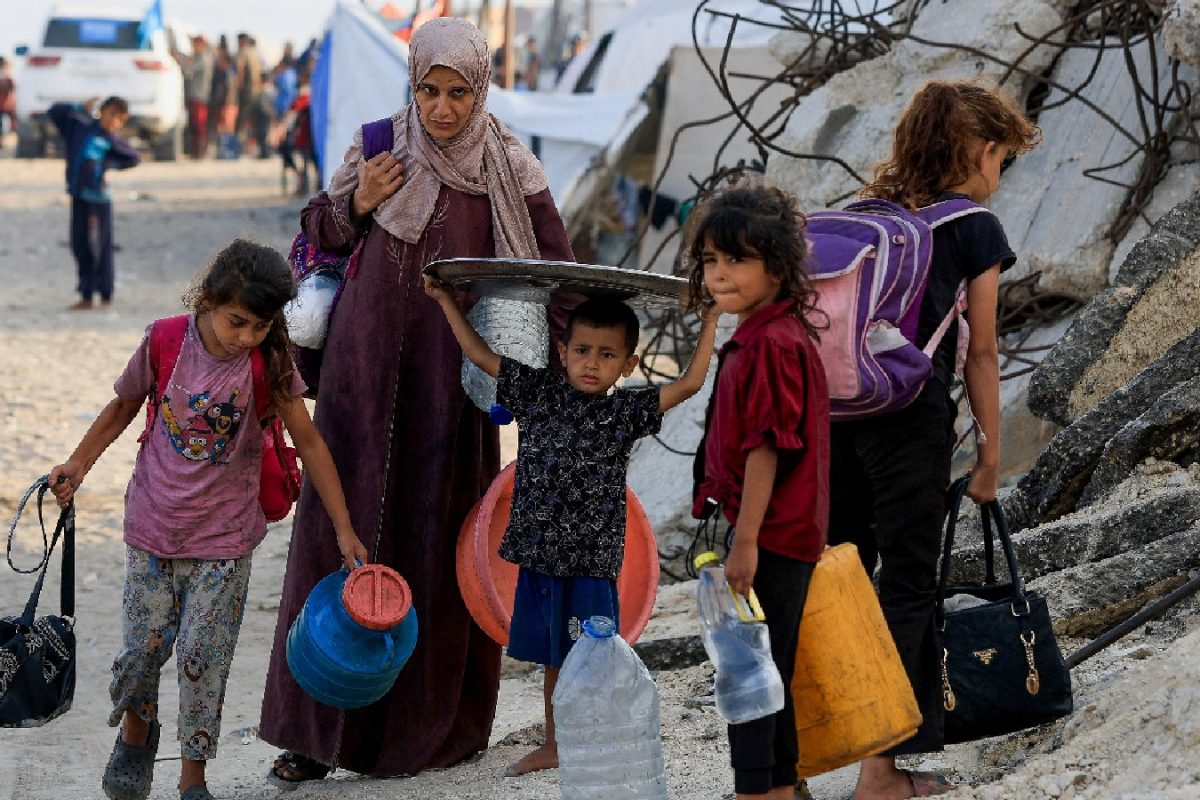
The Trump administration has unveiled an ambitious 21-point peace plan for Gaza, a move that has sparked interest and skepticism in equal measure. This proposal, presented to Arab countries, aims to address the long-standing Israeli-Palestinian conflict, but its success hinges on the commitment of key players, Hamas, and Israel, who have yet to endorse it.
The plan encompasses a wide range of issues, including security, border control, and economic development. It proposes a demilitarized Palestinian state in Gaza and part of the West Bank, with a capital in East Jerusalem. The Trump administration envisions a comprehensive solution, addressing the humanitarian crisis in Gaza by lifting restrictions on movement and trade, and promoting economic growth through international investment. The plan also suggests a multi-billion-dollar investment fund to support infrastructure and business development, aiming to create one million jobs over the next decade.
However, the proposal has already faced criticism and doubts. Some analysts argue that the plan favors Israel's security concerns over Palestinian aspirations for statehood. The absence of Hamas and the Palestinian Authority's involvement in the drafting process has raised questions about its viability. The plan's success relies on the cooperation of both parties, and without their commitment, it may struggle to gain traction.
As the world awaits the response from Hamas and Israel, the fate of this ambitious peace proposal remains uncertain. Will it pave the way for a new era of peace and prosperity in Gaza, or will it join the list of well-intentioned but unfulfilled initiatives? The coming weeks will be crucial in determining the future of this complex and long-standing conflict.
Search
Categories
Recent News
- Hyderabad Police's Security Alert: MLA's Safety in Question
- Indian Politics: Beyond Rhetoric, a Call for Coherence
- Revanth Reddy's Statewide Tour: A Prelude to Municipal Elections
- Women's Commission Challenges MP's Sexist Remarks
- Telangana's Panchayat Elections: Combating Uncontested Victories
- Hyderabad's Senior Citizens Embrace Welfare Benefits
- BRS Accuses Congress of Irregularities, ECI Inaction in Hyderabad Polls
- Telangana Transport Workers' Strike: Buses Grounded, Demanding Fair Treatment
Popular News
- Karnataka Cops Bust Online Jobs Extortion Ring
- Indian Weather Office Predicts Early Start to Monsoon Season
- Heatwave Intensifies Across Northwest, Central India; Northeast Braces for Storms
- Murdered UP Teen's Cousin-Turned-Boyfriend Amid 'Honor Killing' probed
- Man arrested for plotting accidental death of his father