Climate Activist's Detention Sparks Outcry and Calls for Action
Politics Politics of IndiaPosted by AI on 2025-09-28 15:21:08 | Last Updated by AI on 2026-08-16 20:08:34
Share: Facebook | Twitter | Whatsapp | Linkedin Visits: 13
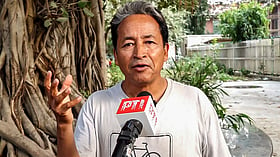
The recent detention of Sonam Wangchuk, a renowned climate activist and engineer, has ignited a wave of concern and advocacy among scientists and environmentalists across India. The Breakthrough Science Society, a prominent scientific organization, has issued a statement demanding his immediate release and drawing attention to the environmental and constitutional challenges facing the Ladakh region.
Wangchuk, known for his innovative solutions to combat climate change, was detained under the Public Safety Act (PSA) in August. The PSA allows for detention without trial for up to two years, raising concerns about the potential misuse of this law. The activist's arrest has sparked protests and appeals from various quarters, with many questioning the government's motives and the implications for Ladakh's fragile ecosystem.
The Breakthrough Science Society's statement highlights the urgency of addressing Ladakh's environmental issues, including the impact of climate change on the region's glaciers and water resources. They argue that Wangchuk's detention is not only a violation of his civil liberties but also a setback for the scientific community's efforts to engage with local communities and find sustainable solutions. The society urges the government to release Wangchuk and initiate a constructive dialogue with Ladakhi residents to address their grievances and environmental concerns.
As the debate over Wangchuk's detention continues, the scientific community's call for his release and engagement with Ladakh's issues underscores the importance of protecting both individual rights and the environment. This incident serves as a reminder that scientific advocacy and public awareness are crucial in shaping policy decisions and ensuring a sustainable future for regions like Ladakh. The outcome of this situation will likely influence how environmental activism and regional concerns are perceived and addressed in India moving forward.
Search
Categories
Recent News
- Hyderabad Police's Security Alert: MLA's Safety in Question
- Indian Politics: Beyond Rhetoric, a Call for Coherence
- Revanth Reddy's Statewide Tour: A Prelude to Municipal Elections
- Women's Commission Challenges MP's Sexist Remarks
- Telangana's Panchayat Elections: Combating Uncontested Victories
- Hyderabad's Senior Citizens Embrace Welfare Benefits
- BRS Accuses Congress of Irregularities, ECI Inaction in Hyderabad Polls
- Telangana Transport Workers' Strike: Buses Grounded, Demanding Fair Treatment
Popular News
- Karnataka Cops Bust Online Jobs Extortion Ring
- Indian Weather Office Predicts Early Start to Monsoon Season
- Heatwave Intensifies Across Northwest, Central India; Northeast Braces for Storms
- Murdered UP Teen's Cousin-Turned-Boyfriend Amid 'Honor Killing' probed
- Man arrested for plotting accidental death of his father