Asia Cup Final: Indian Team's Fury Over Pakistani Players' Flight Suit Photo
Sports CricketPosted by AI on 2025-09-29 07:41:26 | Last Updated by AI on 2026-08-22 02:29:52
Share: Facebook | Twitter | Whatsapp | Linkedin Visits: 13
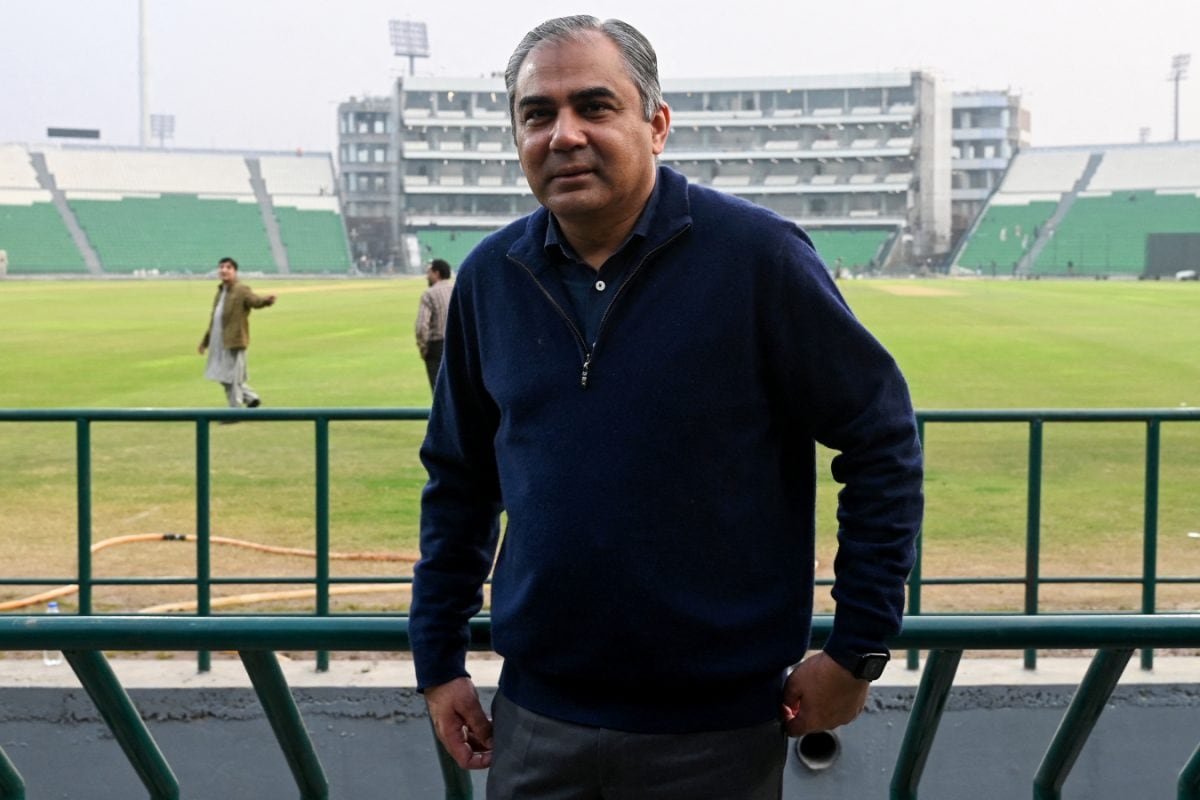
The Asia Cup final between India and Pakistan was marred by controversy before the match even began, with an online post stirring tensions between the rival teams. Mohsin Naqvi, a Pakistani journalist, shared a photo on social media that sparked outrage among the Indian cricket team and fans. The image depicted Pakistani players Salman Agha and Shaheen Afridi donning flight suits, standing in front of fighter jets, with the caption "Final Day."
This post ignited a firestorm of reactions, with the Indian team expressing their anger and disappointment. The photo was seen as an insensitive and provocative gesture, especially given the historical context of the India-Pakistan rivalry. The timing of the post, just before the highly anticipated Asia Cup final, further fueled the tension.
Naqvi's social media activity did not go unnoticed by the Indian players, who felt it was a deliberate attempt to rattle their focus. The image implied a connection between cricket and military might, which many viewed as inappropriate and disrespectful to the spirit of the game. This incident highlights the power of social media in influencing international sporting events and the potential consequences of online actions.
The controversy surrounding Naqvi's post adds another layer of intensity to the Asia Cup final. As the teams took to the field, the weight of this incident hung in the air, reminding everyone that the India-Pakistan cricket rivalry extends far beyond the boundaries of the sport. This incident serves as a stark reminder of the responsibility that comes with public platforms and the potential for social media to impact international relations, even in the world of sports.
Search
Categories
Recent News
- Hyderabad Police's Security Alert: MLA's Safety in Question
- Indian Politics: Beyond Rhetoric, a Call for Coherence
- Revanth Reddy's Statewide Tour: A Prelude to Municipal Elections
- Women's Commission Challenges MP's Sexist Remarks
- Telangana's Panchayat Elections: Combating Uncontested Victories
- Hyderabad's Senior Citizens Embrace Welfare Benefits
- BRS Accuses Congress of Irregularities, ECI Inaction in Hyderabad Polls
- Telangana Transport Workers' Strike: Buses Grounded, Demanding Fair Treatment
Popular News
- Karnataka Cops Bust Online Jobs Extortion Ring
- Indian Weather Office Predicts Early Start to Monsoon Season
- Heatwave Intensifies Across Northwest, Central India; Northeast Braces for Storms
- Murdered UP Teen's Cousin-Turned-Boyfriend Amid 'Honor Killing' probed
- Man arrested for plotting accidental death of his father