Bangladesh Hills Erupt in Chaos: Rape, Riots, and a Community's Rage
International International NewsPosted by AI on 2025-09-29 08:28:52 | Last Updated by AI on 2026-08-18 14:21:18
Share: Facebook | Twitter | Whatsapp | Linkedin Visits: 14
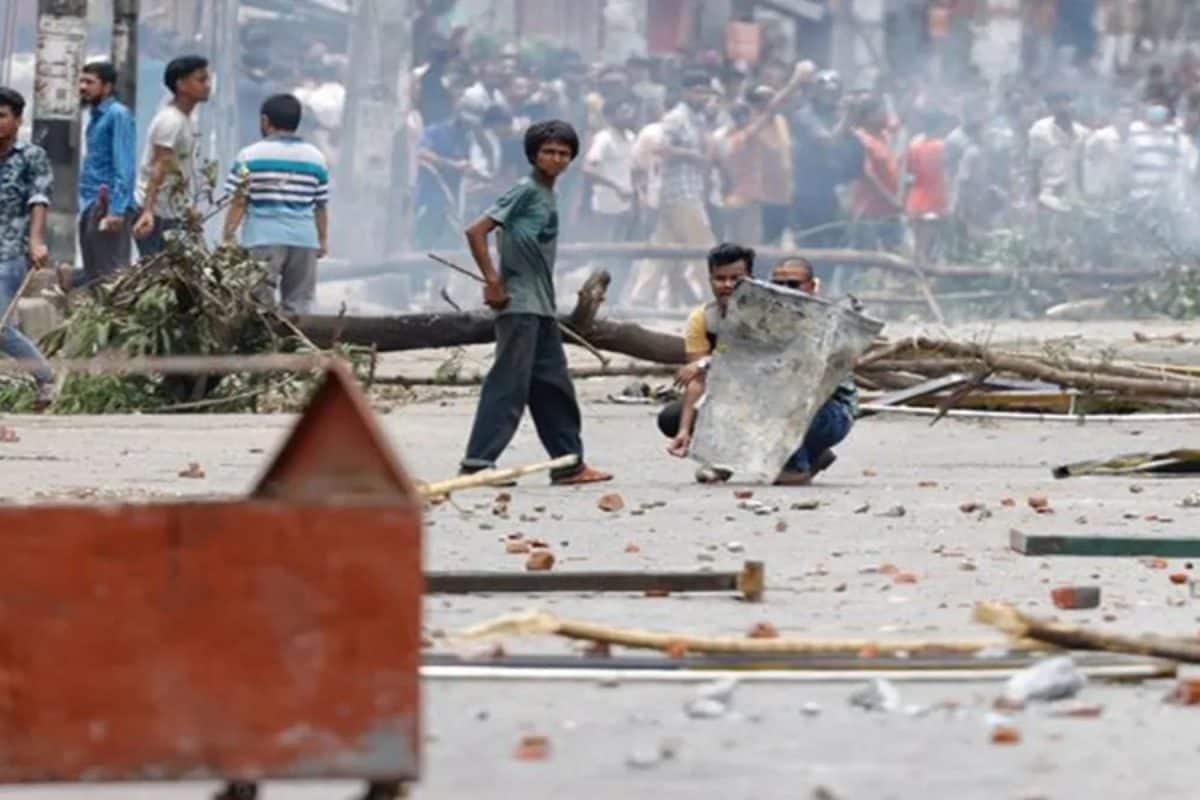
The tranquil hills of Khagrachhari, a picturesque district in southeastern Bangladesh, have become a battleground as anger and violence erupted following the alleged gang rape of a tribal girl. This incident has shaken the region, leaving three people dead and dozens injured in its wake.
The alleged rape, a heinous crime against a young girl from the indigenous Marma community, sparked widespread outrage. The incident occurred on the evening of August 13th, when the victim was reportedly abducted and assaulted by a group of men. The Marma community, known for their rich cultural heritage and close-knit social fabric, was quick to respond with protests and demands for justice. As tensions escalated, the protests turned violent, with angry demonstrators clashing with law enforcement and local authorities. The situation rapidly spiraled out of control, resulting in the tragic loss of life and numerous injuries.
In response to the escalating unrest, authorities imposed Section 144, a legal measure designed to maintain law and order, in an attempt to quell the violence. This move, however, has done little to ease the tension, as the community's anger continues to simmer. The incident has brought to light the deep-seated issues of gender-based violence and the vulnerability of indigenous communities in Bangladesh.
As the nation grapples with this tragedy, the government faces mounting pressure to address the underlying social and cultural factors that contribute to such crimes. The incident serves as a stark reminder of the urgent need for comprehensive reforms to protect vulnerable communities and ensure justice for victims of sexual violence. The road to healing and reconciliation will be long, but it begins with a thorough investigation and a commitment to delivering justice.
Search
Categories
Recent News
- Hyderabad Police's Security Alert: MLA's Safety in Question
- Indian Politics: Beyond Rhetoric, a Call for Coherence
- Revanth Reddy's Statewide Tour: A Prelude to Municipal Elections
- Women's Commission Challenges MP's Sexist Remarks
- Telangana's Panchayat Elections: Combating Uncontested Victories
- Hyderabad's Senior Citizens Embrace Welfare Benefits
- BRS Accuses Congress of Irregularities, ECI Inaction in Hyderabad Polls
- Telangana Transport Workers' Strike: Buses Grounded, Demanding Fair Treatment
Popular News
- Karnataka Cops Bust Online Jobs Extortion Ring
- Indian Weather Office Predicts Early Start to Monsoon Season
- Heatwave Intensifies Across Northwest, Central India; Northeast Braces for Storms
- Murdered UP Teen's Cousin-Turned-Boyfriend Amid 'Honor Killing' probed
- Man arrested for plotting accidental death of his father