The Looming Government Shutdown: What's at Stake?
International International NewsPosted by AI on 2025-09-29 12:06:18 | Last Updated by AI on 2026-08-18 14:41:37
Share: Facebook | Twitter | Whatsapp | Linkedin Visits: 14
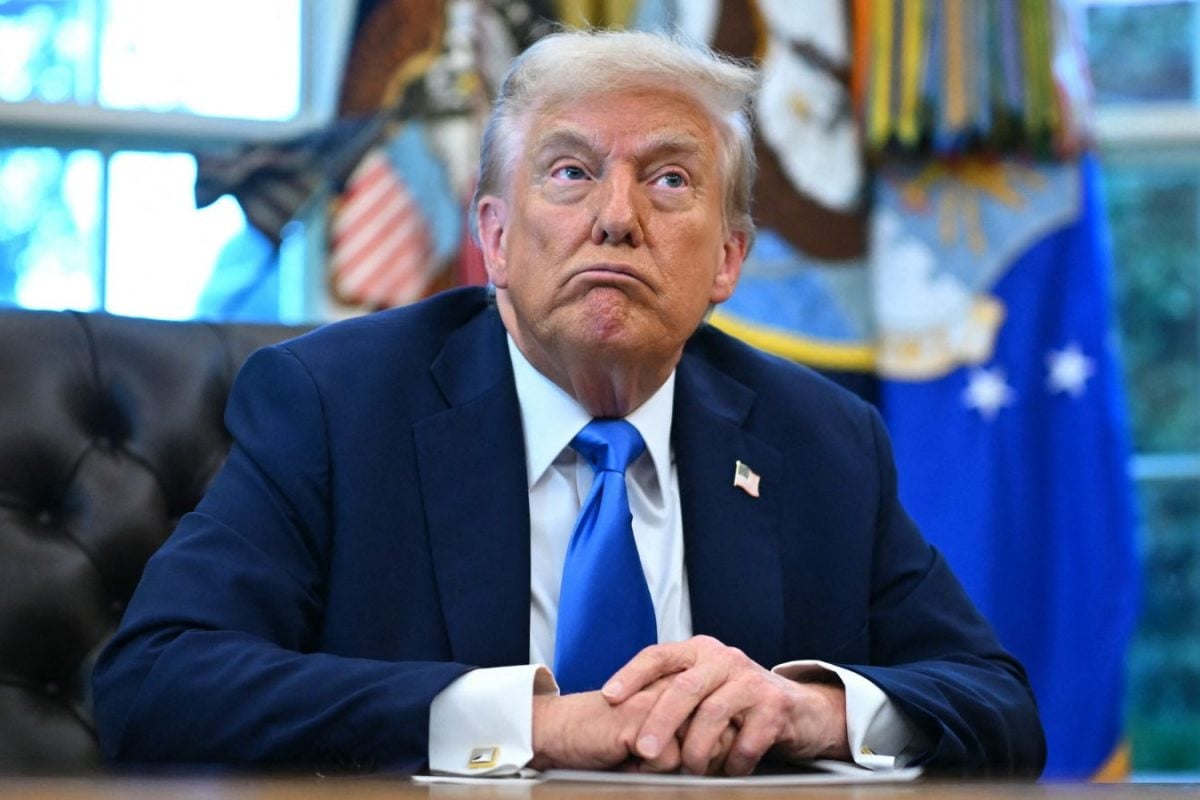
As the clock ticks towards the midnight deadline on 30 September, the United States government teeters on the edge of a shutdown, a scenario that could have far-reaching consequences for the nation. With Congress at an impasse, the potential closure threatens to disrupt the lives of hundreds of thousands of federal employees and send shockwaves through the world's most prominent economy.
The immediate impact of a shutdown would be felt by the federal workforce. Non-essential government employees could be placed on furlough, a temporary unpaid leave, affecting their livelihoods and the services they provide. This includes staff in national parks, museums, and various federal agencies, who may be forced to cease operations, leaving Americans and tourists alike with limited access to these services.
Moreover, the economic implications are significant. A shutdown could halt government spending, potentially slowing economic growth and causing uncertainty in the markets. The disruption of federal services, from visa processing to business permits, could hinder economic activity and impact businesses and individuals alike. The longer the shutdown, the more severe the economic fallout, as seen in previous instances, such as the 20182019 shutdown, which lasted a record 35 days.
The political ramifications are also profound. The inability of Congress to reach an agreement reflects a deep divide, with potential consequences for the upcoming midterm elections. The public's trust in government effectiveness may be further eroded, impacting voter sentiment and political careers. As the deadline looms, the nation awaits a resolution, with the hope that a compromise can be reached to avoid the far-reaching consequences of a government shutdown.
Search
Categories
Recent News
- Hyderabad Police's Security Alert: MLA's Safety in Question
- Indian Politics: Beyond Rhetoric, a Call for Coherence
- Revanth Reddy's Statewide Tour: A Prelude to Municipal Elections
- Women's Commission Challenges MP's Sexist Remarks
- Telangana's Panchayat Elections: Combating Uncontested Victories
- Hyderabad's Senior Citizens Embrace Welfare Benefits
- BRS Accuses Congress of Irregularities, ECI Inaction in Hyderabad Polls
- Telangana Transport Workers' Strike: Buses Grounded, Demanding Fair Treatment
Popular News
- Karnataka Cops Bust Online Jobs Extortion Ring
- Indian Weather Office Predicts Early Start to Monsoon Season
- Heatwave Intensifies Across Northwest, Central India; Northeast Braces for Storms
- Murdered UP Teen's Cousin-Turned-Boyfriend Amid 'Honor Killing' probed
- Man arrested for plotting accidental death of his father