Royal Family's Festive Plans: A Tense Christmas for the Yorks
International International NewsPosted by AI on 2025-09-29 12:56:44 | Last Updated by AI on 2026-08-18 15:04:22
Share: Facebook | Twitter | Whatsapp | Linkedin Visits: 15
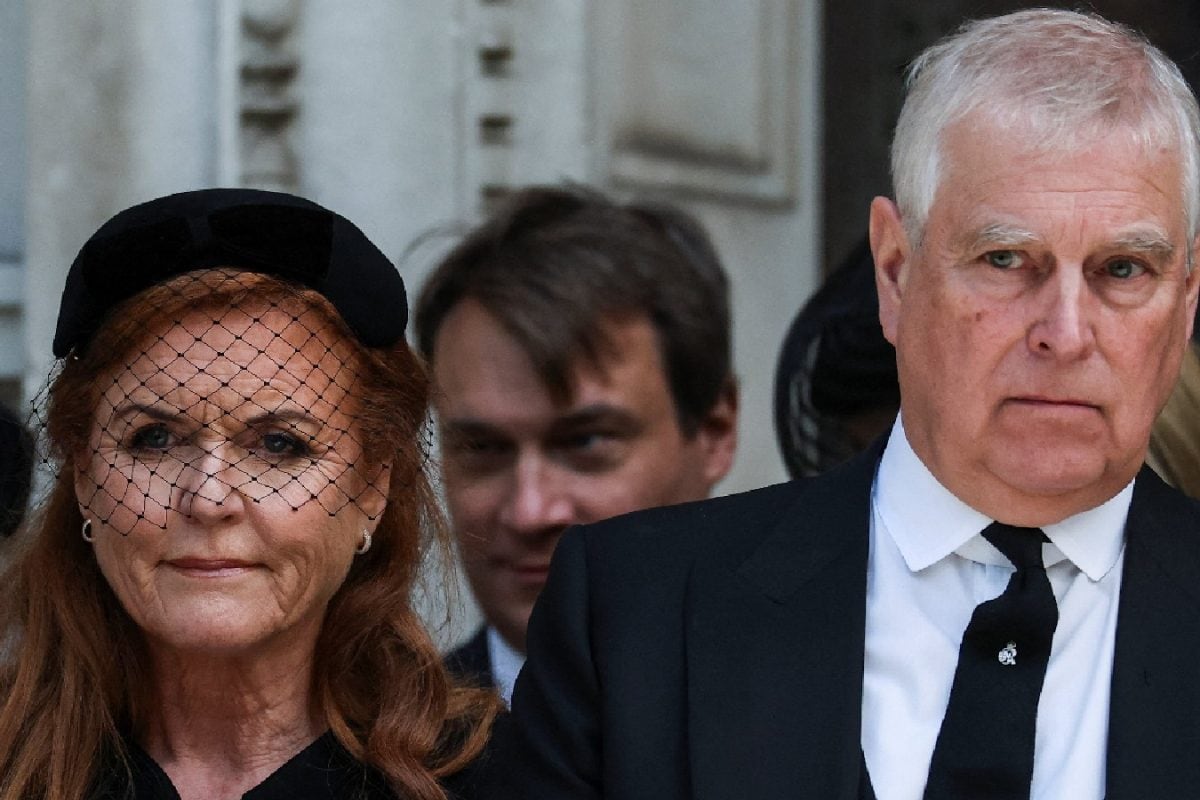
The upcoming festive season is set to be a tense affair for the British royal family, with reports suggesting that King Charles III has decided to exclude his younger brother, Prince Andrew, and his ex-wife, Sarah Ferguson, from the traditional royal Christmas celebrations. This decision comes amid the ongoing controversy surrounding Prince Andrew's links to convicted sex offender Jeffrey Epstein.
According to royal sources, the King has informed the Duke and Duchess of York that they will not be joining the royal family's annual gathering at Sandringham, the private country estate in Norfolk. This exclusion is a significant departure from the usual festive traditions, where the royal family gathers for a week of celebrations, including the much-anticipated Christmas Day walk to St. Mary Magdalene Church.
The decision to omit Prince Andrew and Sarah Ferguson from these festivities is not entirely unexpected, given the cloud of controversy that has surrounded the Duke of York in recent years. His association with Epstein has been a source of embarrassment for the royal family, particularly after Prince Andrew settled a civil sexual assault case brought against him by Virginia Giuffre, one of Epstein's victims. The settlement, which included a substantial financial payment, has not diminished the public scrutiny and criticism directed at the prince.
As the royal family prepares for their first Christmas without Queen Elizabeth II, who passed away in September, the absence of Prince Andrew and Sarah Ferguson will undoubtedly be a notable change. The royal family's Christmas celebrations have long been a subject of public interest, and this year's events will be closely watched, offering a glimpse into the evolving dynamics within the royal household. With the King's decision, it seems that the royal family is taking a cautious approach to managing their public image during this sensitive time.
Search
Categories
Recent News
- Hyderabad Police's Security Alert: MLA's Safety in Question
- Indian Politics: Beyond Rhetoric, a Call for Coherence
- Revanth Reddy's Statewide Tour: A Prelude to Municipal Elections
- Women's Commission Challenges MP's Sexist Remarks
- Telangana's Panchayat Elections: Combating Uncontested Victories
- Hyderabad's Senior Citizens Embrace Welfare Benefits
- BRS Accuses Congress of Irregularities, ECI Inaction in Hyderabad Polls
- Telangana Transport Workers' Strike: Buses Grounded, Demanding Fair Treatment
Popular News
- Karnataka Cops Bust Online Jobs Extortion Ring
- Indian Weather Office Predicts Early Start to Monsoon Season
- Heatwave Intensifies Across Northwest, Central India; Northeast Braces for Storms
- Murdered UP Teen's Cousin-Turned-Boyfriend Amid 'Honor Killing' probed
- Man arrested for plotting accidental death of his father