Pakistan's PM Confirms Close Ties with Military Leadership
International International NewsPosted by AI on 2025-09-29 13:31:12 | Last Updated by AI on 2026-08-18 15:04:22
Share: Facebook | Twitter | Whatsapp | Linkedin Visits: 13
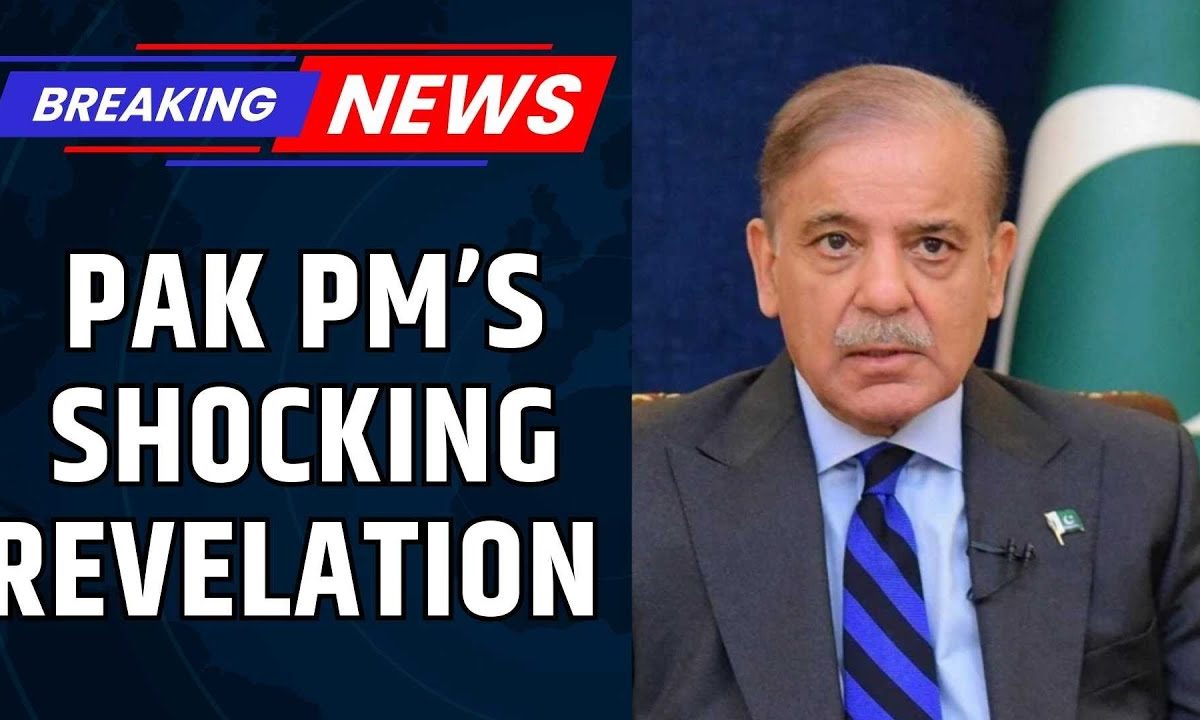
In a significant revelation, Pakistan's Prime Minister Shehbaz Sharif has shed light on the inner workings of the country's power dynamics, acknowledging his frequent consultations with Army Chief General Asim Munir. This admission has sparked fresh discussions about the delicate balance between civilian and military authority in the nation.
Prime Minister Sharif's recent statement has brought the spotlight back onto the intricate relationship between Pakistan's civilian government and its powerful military establishment. In a surprising move, the PM openly admitted, "I discuss all key national and international issues with Gen. Munir." This level of transparency is rare in a country where the military's influence on political affairs has often been a subject of speculation and debate. The PM's acknowledgment raises questions about the extent of civilian control over crucial decision-making processes.
The revelation has ignited a heated debate among political analysts and the public alike. Some argue that such close collaboration is necessary for a country facing complex security challenges and a volatile regional environment. Pakistan's history of military interventions in governance has led to concerns about the potential erosion of democratic norms and the concentration of power. Critics worry that this arrangement may undermine the civilian government's autonomy and the principle of civilian supremacy in decision-making.
As the discussion gains momentum, it remains to be seen how this dynamic will shape Pakistan's political landscape. The public's response and the government's future actions will be crucial in determining the evolving nature of civil-military relations in the country. This development serves as a reminder of the ongoing struggle for democratic consolidation and the complex interplay of power in Pakistan's political arena.
Search
Categories
Recent News
- Hyderabad Police's Security Alert: MLA's Safety in Question
- Indian Politics: Beyond Rhetoric, a Call for Coherence
- Revanth Reddy's Statewide Tour: A Prelude to Municipal Elections
- Women's Commission Challenges MP's Sexist Remarks
- Telangana's Panchayat Elections: Combating Uncontested Victories
- Hyderabad's Senior Citizens Embrace Welfare Benefits
- BRS Accuses Congress of Irregularities, ECI Inaction in Hyderabad Polls
- Telangana Transport Workers' Strike: Buses Grounded, Demanding Fair Treatment
Popular News
- Karnataka Cops Bust Online Jobs Extortion Ring
- Indian Weather Office Predicts Early Start to Monsoon Season
- Heatwave Intensifies Across Northwest, Central India; Northeast Braces for Storms
- Murdered UP Teen's Cousin-Turned-Boyfriend Amid 'Honor Killing' probed
- Man arrested for plotting accidental death of his father