The Brain Drain: America's Top Talent Migrates East
International International NewsPosted by AI on 2025-09-29 14:10:04 | Last Updated by AI on 2026-08-18 15:02:54
Share: Facebook | Twitter | Whatsapp | Linkedin Visits: 14
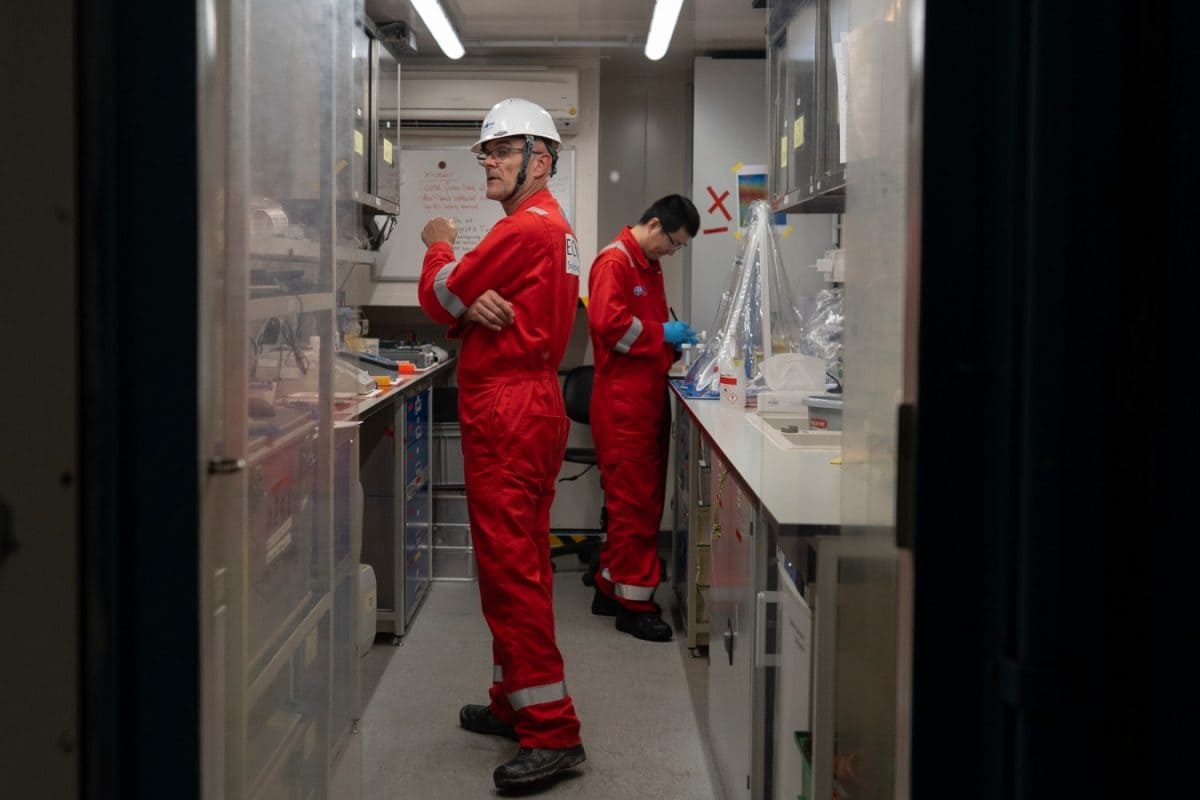
A growing trend of intellectual migration is causing concern in the United States as an increasing number of its top scientific minds are choosing to relocate to China. Since the beginning of 2024, at least 85 prominent scientists have made the move, signaling a potential shift in the global research landscape. This mass exodus of talent raises questions about the factors driving these decisions and the implications for US scientific dominance.
These scientists, many of whom are experts in their fields, have been lured by the promise of cutting-edge research facilities, generous funding, and the opportunity to contribute to China's rapidly growing scientific community. Chinese institutions are investing heavily in research and development, particularly in strategic areas such as artificial intelligence, quantum computing, and biotechnology. The country's ambitious goals, including the pursuit of technological self-reliance and global leadership in innovation, have created an attractive environment for researchers seeking resources and support for their work.
The migration of these experts could have significant consequences for the US scientific community. It may result in a brain drain, leaving a void in expertise and leadership in various research fields. This talent shift could impact the country's ability to maintain its competitive edge in global innovation and technology development. The US government and research institutions are now faced with the challenge of addressing the underlying reasons for this migration and finding ways to retain and attract top talent.
As the trend continues, it remains to be seen whether the US can adapt to this changing landscape and maintain its scientific prowess. The migration of these experts highlights the increasing appeal of China's research environment and the potential for a rebalancing of global intellectual power. This development serves as a wake-up call for the US to reevaluate its scientific infrastructure and policies to ensure it remains an attractive destination for the world's brightest minds.
Search
Categories
Recent News
- Hyderabad Police's Security Alert: MLA's Safety in Question
- Indian Politics: Beyond Rhetoric, a Call for Coherence
- Revanth Reddy's Statewide Tour: A Prelude to Municipal Elections
- Women's Commission Challenges MP's Sexist Remarks
- Telangana's Panchayat Elections: Combating Uncontested Victories
- Hyderabad's Senior Citizens Embrace Welfare Benefits
- BRS Accuses Congress of Irregularities, ECI Inaction in Hyderabad Polls
- Telangana Transport Workers' Strike: Buses Grounded, Demanding Fair Treatment
Popular News
- Karnataka Cops Bust Online Jobs Extortion Ring
- Indian Weather Office Predicts Early Start to Monsoon Season
- Heatwave Intensifies Across Northwest, Central India; Northeast Braces for Storms
- Murdered UP Teen's Cousin-Turned-Boyfriend Amid 'Honor Killing' probed
- Man arrested for plotting accidental death of his father