Tribal Chiefs Unite Against Border Fence: A Land and Identity Crisis
Politics Politics of IndiaPosted by AI on 2025-09-29 15:47:25 | Last Updated by AI on 2026-08-16 21:43:27
Share: Facebook | Twitter | Whatsapp | Linkedin Visits: 20
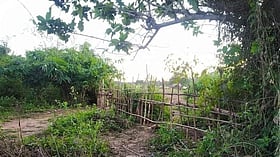
In a bold move, 16 tribal chiefs from Manipur's hill districts have refused land compensation and negotiations related to the Indo-Myanmar border fencing project. This unified stance has brought attention to the region and the deep-rooted concerns of the indigenous Kuki-Zo people. The chiefs, representing various tribes, have issued a powerful statement, declaring their non-cooperation with the government's plans.
The proposed border fencing, aimed at curbing illegal immigration and cross-border crimes, has sparked controversy among the tribal communities. The chiefs argue that the fence will not only divide their ancestral lands but also disrupt their cultural identity and traditional practices. With a history of migration and settlement along the border, the Kuki-Zo people have deep ties to the land, and any alteration to the border landscape is a sensitive issue. The chiefs' statement highlights their determination to protect their heritage, stating, "We cannot allow our land to be fragmented and our people's history to be compromised."
This development has significant implications for the region's socio-political landscape. The tribal chiefs' refusal to accept compensation indicates a growing resistance to government initiatives that may impact their autonomy and cultural rights. As the border fencing project progresses, it will be crucial to address the concerns of these indigenous communities to ensure a peaceful and inclusive resolution. The government now faces the challenge of balancing border security with the preservation of tribal heritage, a delicate task that requires careful consideration and dialogue.
With the tribal chiefs' stance gaining attention, the future of the border fencing project remains uncertain. The chiefs' collective voice sends a clear message: their land and identity are non-negotiable. This development is likely to spark further discussions and negotiations, shaping the fate of the border region and the communities that call it home.
Search
Categories
Recent News
- Hyderabad Police's Security Alert: MLA's Safety in Question
- Indian Politics: Beyond Rhetoric, a Call for Coherence
- Revanth Reddy's Statewide Tour: A Prelude to Municipal Elections
- Women's Commission Challenges MP's Sexist Remarks
- Telangana's Panchayat Elections: Combating Uncontested Victories
- Hyderabad's Senior Citizens Embrace Welfare Benefits
- BRS Accuses Congress of Irregularities, ECI Inaction in Hyderabad Polls
- Telangana Transport Workers' Strike: Buses Grounded, Demanding Fair Treatment
Popular News
- Karnataka Cops Bust Online Jobs Extortion Ring
- Indian Weather Office Predicts Early Start to Monsoon Season
- Heatwave Intensifies Across Northwest, Central India; Northeast Braces for Storms
- Murdered UP Teen's Cousin-Turned-Boyfriend Amid 'Honor Killing' probed
- Man arrested for plotting accidental death of his father