Afghanistan's Digital Darkness: Taliban's Internet Ban Leaves Country Disconnected
International International NewsPosted by AI on 2025-09-29 19:14:33 | Last Updated by AI on 2026-08-18 15:55:42
Share: Facebook | Twitter | Whatsapp | Linkedin Visits: 14
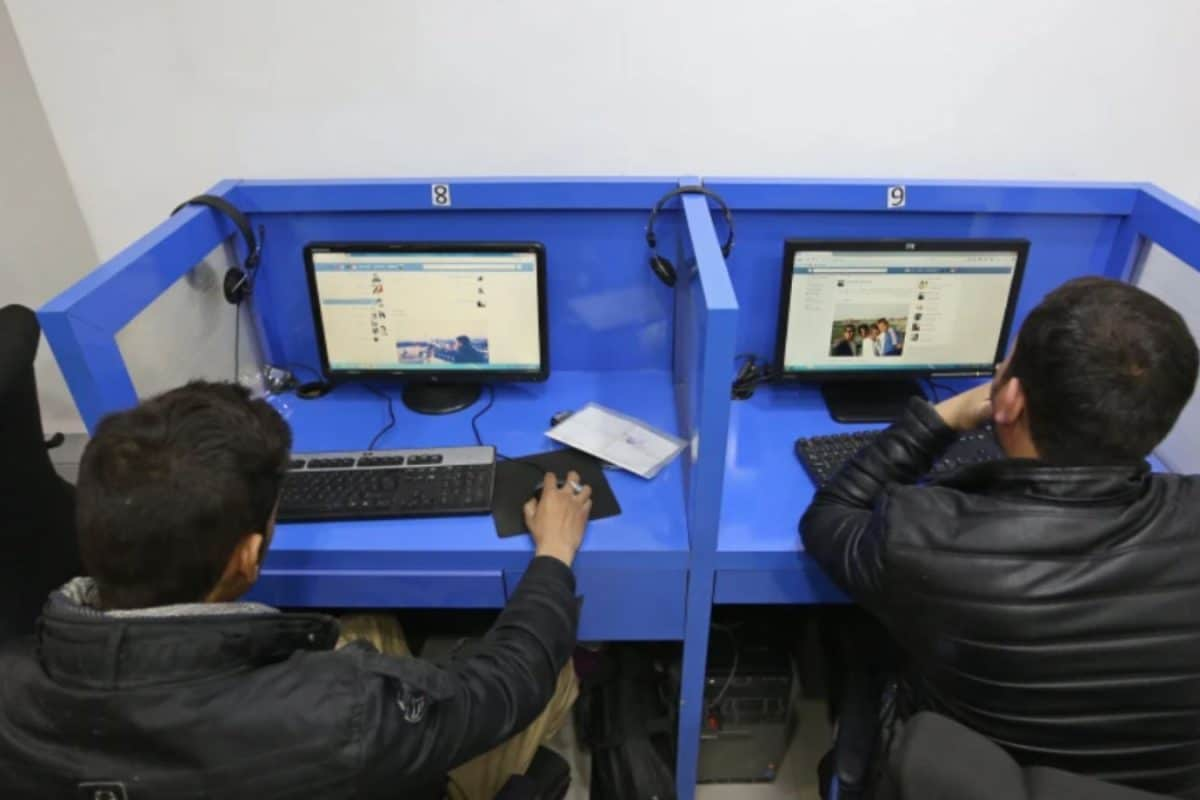
In a move that has plunged Afghanistan into a state of digital darkness, the Taliban has imposed a sweeping ban on fibre-optic internet services, severing the country's connection to the online world. This decision, which has already taken effect in several provinces, has left Afghans reeling as high-speed WiFi networks, once a lifeline for communication and information, fall silent. The ban raises critical questions about the Taliban's intentions and the future of digital connectivity in a nation already grappling with numerous challenges.
The Taliban's reasoning for this drastic step is rooted in their interpretation of 'morality measures'. They claim that the internet, a powerful tool for information exchange and social interaction, poses a threat to their vision of societal norms and values. This justification has sparked concern among human rights activists and international observers who fear that the ban is yet another attempt to control the flow of information and restrict freedom of expression. The sudden blackout has left many Afghans, especially those in urban areas, struggling to adapt. Internet cafes, once bustling hubs of activity, now stand eerily quiet, with their owners uncertain about the future of their businesses. The ban's impact extends beyond personal communication, affecting various sectors. Healthcare professionals, for instance, relied on the internet for telemedicine and accessing medical research, which is now severely hindered. Students and educators, too, are facing challenges in online learning and accessing educational resources.
As the Taliban's decision casts a shadow over Afghanistan's digital future, the international community watches with concern. The ban's implications for human rights, education, and economic development are profound. With the country already facing numerous crises, this latest move by the Taliban could further isolate Afghanistan and its people, hindering progress and leaving them disconnected from the global digital community. The world awaits to see if this blackout will persist, or if the light of digital connectivity will eventually return to Afghanistan.
Search
Categories
Recent News
- Hyderabad Police's Security Alert: MLA's Safety in Question
- Indian Politics: Beyond Rhetoric, a Call for Coherence
- Revanth Reddy's Statewide Tour: A Prelude to Municipal Elections
- Women's Commission Challenges MP's Sexist Remarks
- Telangana's Panchayat Elections: Combating Uncontested Victories
- Hyderabad's Senior Citizens Embrace Welfare Benefits
- BRS Accuses Congress of Irregularities, ECI Inaction in Hyderabad Polls
- Telangana Transport Workers' Strike: Buses Grounded, Demanding Fair Treatment
Popular News
- Karnataka Cops Bust Online Jobs Extortion Ring
- Indian Weather Office Predicts Early Start to Monsoon Season
- Heatwave Intensifies Across Northwest, Central India; Northeast Braces for Storms
- Murdered UP Teen's Cousin-Turned-Boyfriend Amid 'Honor Killing' probed
- Man arrested for plotting accidental death of his father