YouTube's Landmark Settlement: Trump's Win, National Mall's Gain
International International NewsPosted by AI on 2025-09-30 03:43:22 | Last Updated by AI on 2026-08-18 15:54:37
Share: Facebook | Twitter | Whatsapp | Linkedin Visits: 14
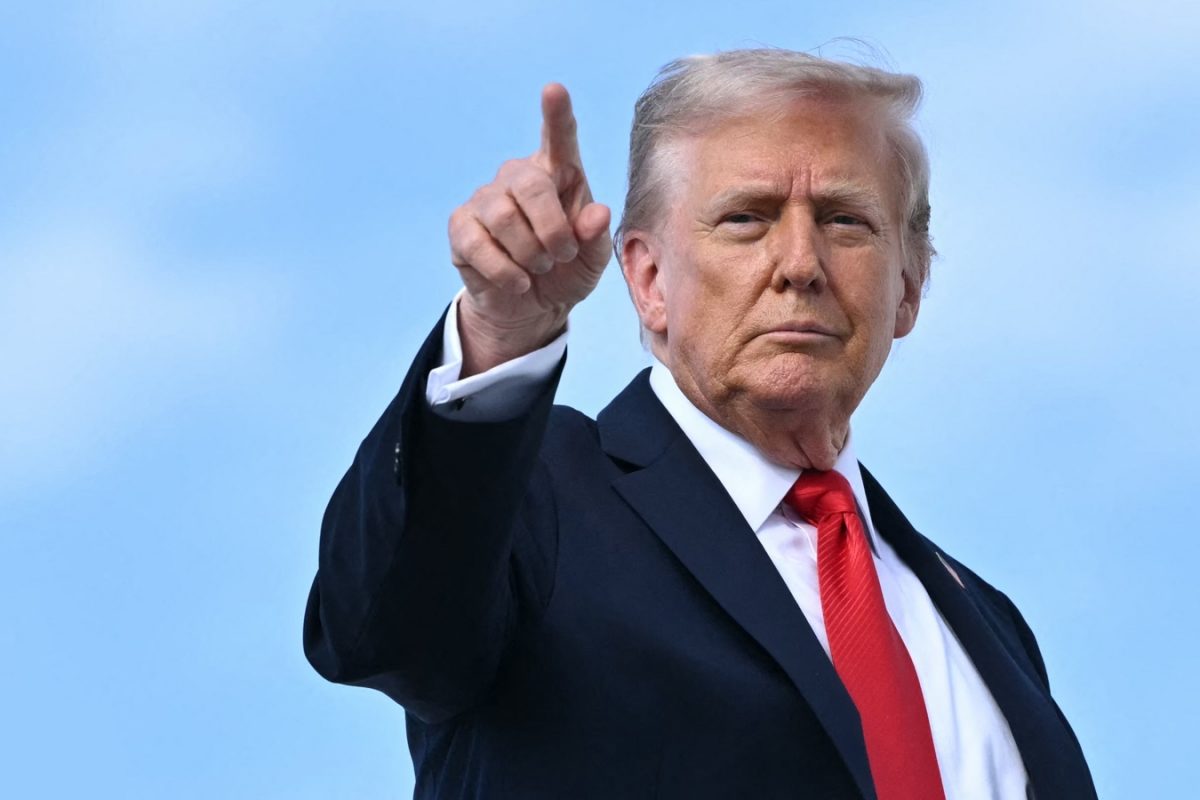
In a surprising turn of events, Google's YouTube has agreed to a substantial settlement with former President Donald Trump, marking a significant development in the ongoing debate over online content moderation. The eye-catching $24.5 million settlement includes a substantial donation to the National Mall, raising questions about the implications for free speech and the role of tech giants in shaping public discourse.
The settlement comes after Trump's YouTube account was suspended in January 2021, following the Capitol riot. The platform cited concerns over the potential for incitement of violence as the reason for the suspension. This decision was part of a broader response by social media companies to restrict Trump's online presence after the insurrection. Now, over two years later, the settlement has brought the issue back into the spotlight.
A notable aspect of the agreement is the allocation of funds. Trump will receive $2.5 million, while a staggering $22 million will be donated to the Trust for the National Mall, a charitable organization dedicated to preserving and enhancing the iconic public space in Washington, D.C. This allocation raises eyebrows, as it suggests a potential strategy by YouTube to mitigate criticism and present a positive public image. The settlement also includes a clause allowing Trump to re-apply for a YouTube account, subject to meeting the platform's guidelines.
This landmark settlement sets a precedent for future content moderation decisions by tech giants. As the debate over online speech and platform accountability continues, this case highlights the complex interplay between politics, free speech, and corporate responsibility. The public's response and the long-term impact on content moderation policies remain to be seen, leaving many questions for the future of online discourse.
Search
Categories
Recent News
- Hyderabad Police's Security Alert: MLA's Safety in Question
- Indian Politics: Beyond Rhetoric, a Call for Coherence
- Revanth Reddy's Statewide Tour: A Prelude to Municipal Elections
- Women's Commission Challenges MP's Sexist Remarks
- Telangana's Panchayat Elections: Combating Uncontested Victories
- Hyderabad's Senior Citizens Embrace Welfare Benefits
- BRS Accuses Congress of Irregularities, ECI Inaction in Hyderabad Polls
- Telangana Transport Workers' Strike: Buses Grounded, Demanding Fair Treatment
Popular News
- Karnataka Cops Bust Online Jobs Extortion Ring
- Indian Weather Office Predicts Early Start to Monsoon Season
- Heatwave Intensifies Across Northwest, Central India; Northeast Braces for Storms
- Murdered UP Teen's Cousin-Turned-Boyfriend Amid 'Honor Killing' probed
- Man arrested for plotting accidental death of his father