BJP-CPI Clash: Accusations Fly Over Maoist Negotiations
Politics Politics of IndiaPosted by AI on 2025-09-30 09:03:35 | Last Updated by AI on 2026-08-16 22:38:17
Share: Facebook | Twitter | Whatsapp | Linkedin Visits: 15
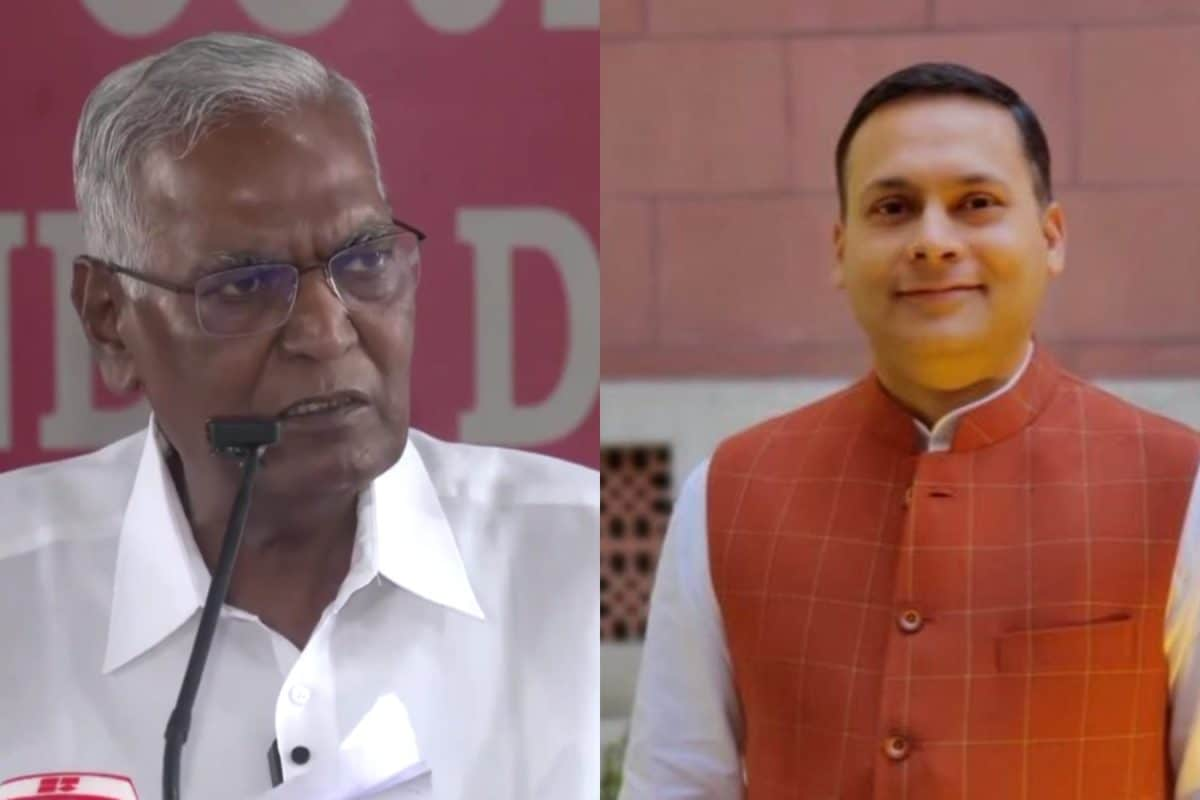
The political arena in India is witnessing a heated exchange between the Bharatiya Janata Party (BJP) and the Communist Party of India (CPI) following a controversial statement by CPI leader D Raja. The debate centers around the sensitive issue of engaging in talks with Maoist rebels, commonly referred to as Naxals.
BJP national spokesperson Sambit Patra launched a scathing attack on Raja, accusing him of advocating for a group that has long been considered a threat to national security. Patra's remarks came in response to Raja's call for negotiations with the Maoists, a suggestion that has sparked intense debate within political circles. The BJP spokesperson vehemently argued that Raja's stance is an act of betrayal, claiming, "To side with those who seek to dismantle our Constitution is an act of treachery."
The CPI leader's proposal for dialogue has opened a Pandora's box of political accusations and debates on national security. Malviya, another BJP spokesperson, further intensified the rhetoric by stating that Raja's defense of the Maoists is an attempt to undermine the nation's democratic foundations. This exchange highlights the deep ideological divide between the two parties and their differing approaches to handling internal security threats.
As the debate rages on, it raises questions about the potential for political reconciliation and the future of India's strategy in addressing the long-standing Maoist insurgency. With the BJP's strong stance against any form of negotiation, the CPI's proposal faces an uphill battle, leaving the public to ponder the prospects of finding common ground in this highly polarized political landscape. The nation awaits the government's next move, which could shape the trajectory of India's internal security policies and potentially influence the course of the Maoist conflict.
Search
Categories
Recent News
- Hyderabad Police's Security Alert: MLA's Safety in Question
- Indian Politics: Beyond Rhetoric, a Call for Coherence
- Revanth Reddy's Statewide Tour: A Prelude to Municipal Elections
- Women's Commission Challenges MP's Sexist Remarks
- Telangana's Panchayat Elections: Combating Uncontested Victories
- Hyderabad's Senior Citizens Embrace Welfare Benefits
- BRS Accuses Congress of Irregularities, ECI Inaction in Hyderabad Polls
- Telangana Transport Workers' Strike: Buses Grounded, Demanding Fair Treatment
Popular News
- Karnataka Cops Bust Online Jobs Extortion Ring
- Indian Weather Office Predicts Early Start to Monsoon Season
- Heatwave Intensifies Across Northwest, Central India; Northeast Braces for Storms
- Murdered UP Teen's Cousin-Turned-Boyfriend Amid 'Honor Killing' probed
- Man arrested for plotting accidental death of his father