US Visa Lottery Under Fire: Trump Aide Calls for Reform
International International NewsPosted by AI on 2025-09-30 12:51:35 | Last Updated by AI on 2026-08-18 16:24:07
Share: Facebook | Twitter | Whatsapp | Linkedin Visits: 14
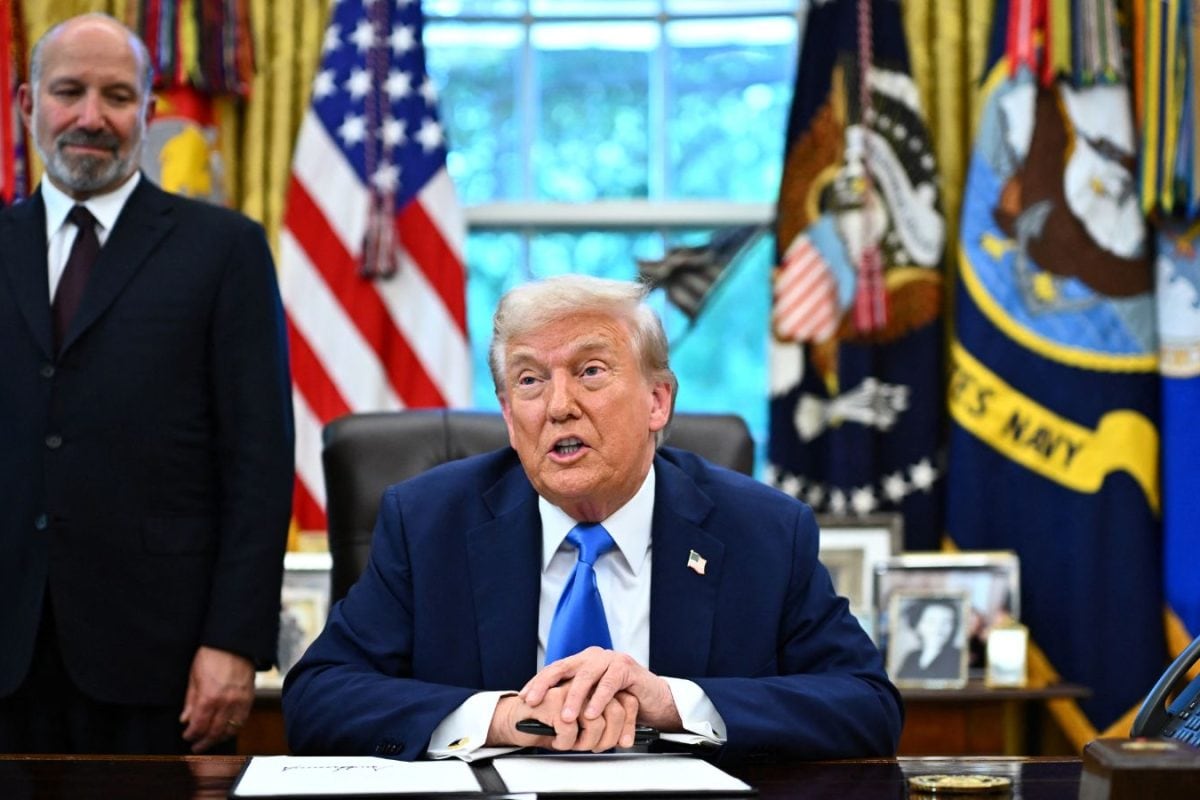
In a recent development, the H-1B visa lottery system has come under scrutiny, with a top Trump administration official expressing frustration over its current state. US Commerce Secretary Howard Lutnick has openly criticized the program, stating that it "doesn't make any sense" in its current form. This bold statement has sparked discussions about the future of the H-1B visa program and its role in the country's immigration policies.
The H-1B visa lottery, an annual event, has been a contentious issue for years, with critics arguing that it fails to prioritize highly skilled workers. The program offers a pathway for foreign professionals to work in the US, but the random selection process has raised concerns about its effectiveness in attracting the best talent. Secretary Lutnick's comments echo these sentiments, suggesting that the system needs an overhaul to ensure that highly skilled jobs are filled by the most deserving candidates. This call for reform is significant, especially considering the administration's previous efforts to tighten immigration policies.
With the current H-1B visa program set to expire in 2026, the administration has signaled that significant changes are on the horizon. The focus on merit-based immigration aligns with the administration's broader agenda, but the specifics of the proposed reforms remain unclear. The upcoming changes are likely to have a substantial impact on the tech industry, which heavily relies on foreign talent, and could potentially affect the global competitiveness of US companies. As the debate over immigration reform continues, the administration's next steps will be closely watched by businesses, immigrants, and policymakers alike.
The administration's commitment to addressing this issue is evident, and the upcoming changes promise to be a pivotal moment in US immigration policy. As the country navigates the complex balance between economic needs and border control, the H-1B visa program's evolution will undoubtedly shape the future of the American workforce.
Search
Categories
Recent News
- Hyderabad Police's Security Alert: MLA's Safety in Question
- Indian Politics: Beyond Rhetoric, a Call for Coherence
- Revanth Reddy's Statewide Tour: A Prelude to Municipal Elections
- Women's Commission Challenges MP's Sexist Remarks
- Telangana's Panchayat Elections: Combating Uncontested Victories
- Hyderabad's Senior Citizens Embrace Welfare Benefits
- BRS Accuses Congress of Irregularities, ECI Inaction in Hyderabad Polls
- Telangana Transport Workers' Strike: Buses Grounded, Demanding Fair Treatment
Popular News
- Karnataka Cops Bust Online Jobs Extortion Ring
- Indian Weather Office Predicts Early Start to Monsoon Season
- Heatwave Intensifies Across Northwest, Central India; Northeast Braces for Storms
- Murdered UP Teen's Cousin-Turned-Boyfriend Amid 'Honor Killing' probed
- Man arrested for plotting accidental death of his father