No Compromise on Principles: Omar Abdullah's Firm Stance on J&K's Future
Politics Politics of IndiaPosted by AI on 2025-09-30 19:23:25 | Last Updated by AI on 2026-08-17 00:28:14
Share: Facebook | Twitter | Whatsapp | Linkedin Visits: 18
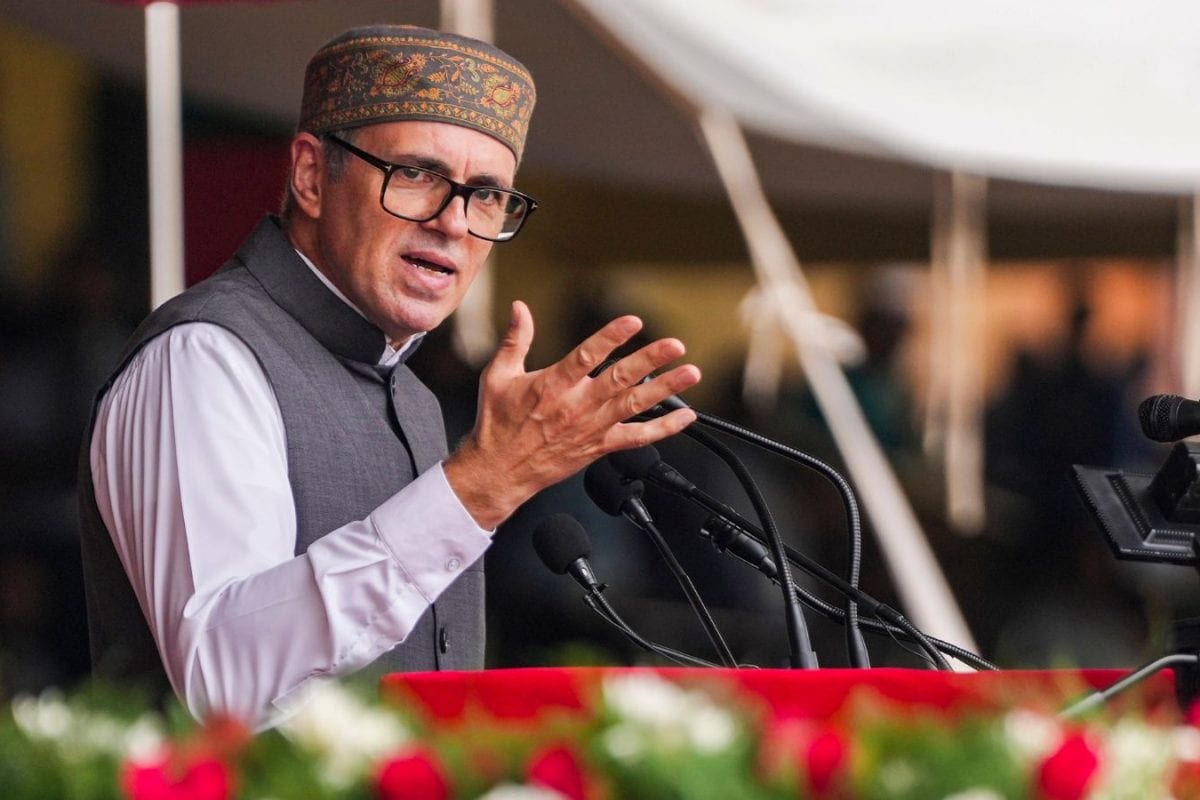
In a powerful statement, Omar Abdullah, the former Chief Minister of Jammu and Kashmir, has drawn a line in the sand regarding the region's political future. Speaking at a public gathering in Achabal, he vehemently denied any possibility of an alliance with the Bharatiya Janata Party (BJP) to regain statehood for Jammu and Kashmir.
Abdullah's speech resonated with the audience, who have witnessed the region's tumultuous political journey. He emphasized, "We will not sacrifice our principles for short-term gains. The National Conference has a rich history of fighting for the rights and dignity of the people of Jammu and Kashmir, and we will continue to do so without compromising our values." This statement comes at a critical juncture when the region's political landscape is undergoing significant transformations.
The former Chief Minister's stance is a response to the ongoing debates and negotiations surrounding the restoration of statehood for Jammu and Kashmir. With the region currently under central rule, political parties are strategizing their next moves. While some advocate for alliances to regain power, Abdullah's National Conference stands firm on its principles. He further elaborated, "Our party has always believed in a democratic and inclusive approach to governance. We will not be a part of any alliance that undermines the aspirations and identity of our people."
As the political discourse intensifies, Abdullah's declaration sets a precedent for the upcoming political maneuvers. His words echo a commitment to the people's trust and a reminder that political alliances should not come at the cost of compromising core values. With the future of Jammu and Kashmir's statehood still uncertain, this strong stance is likely to influence the region's political trajectory and shape public opinion.
Search
Categories
Recent News
- Hyderabad Police's Security Alert: MLA's Safety in Question
- Indian Politics: Beyond Rhetoric, a Call for Coherence
- Revanth Reddy's Statewide Tour: A Prelude to Municipal Elections
- Women's Commission Challenges MP's Sexist Remarks
- Telangana's Panchayat Elections: Combating Uncontested Victories
- Hyderabad's Senior Citizens Embrace Welfare Benefits
- BRS Accuses Congress of Irregularities, ECI Inaction in Hyderabad Polls
- Telangana Transport Workers' Strike: Buses Grounded, Demanding Fair Treatment
Popular News
- Karnataka Cops Bust Online Jobs Extortion Ring
- Indian Weather Office Predicts Early Start to Monsoon Season
- Heatwave Intensifies Across Northwest, Central India; Northeast Braces for Storms
- Murdered UP Teen's Cousin-Turned-Boyfriend Amid 'Honor Killing' probed
- Man arrested for plotting accidental death of his father