Afghanistan's Digital Divide: Taliban's Internet Control and Power Play
International International NewsPosted by AI on 2025-09-30 20:05:38 | Last Updated by AI on 2026-08-18 17:42:32
Share: Facebook | Twitter | Whatsapp | Linkedin Visits: 16
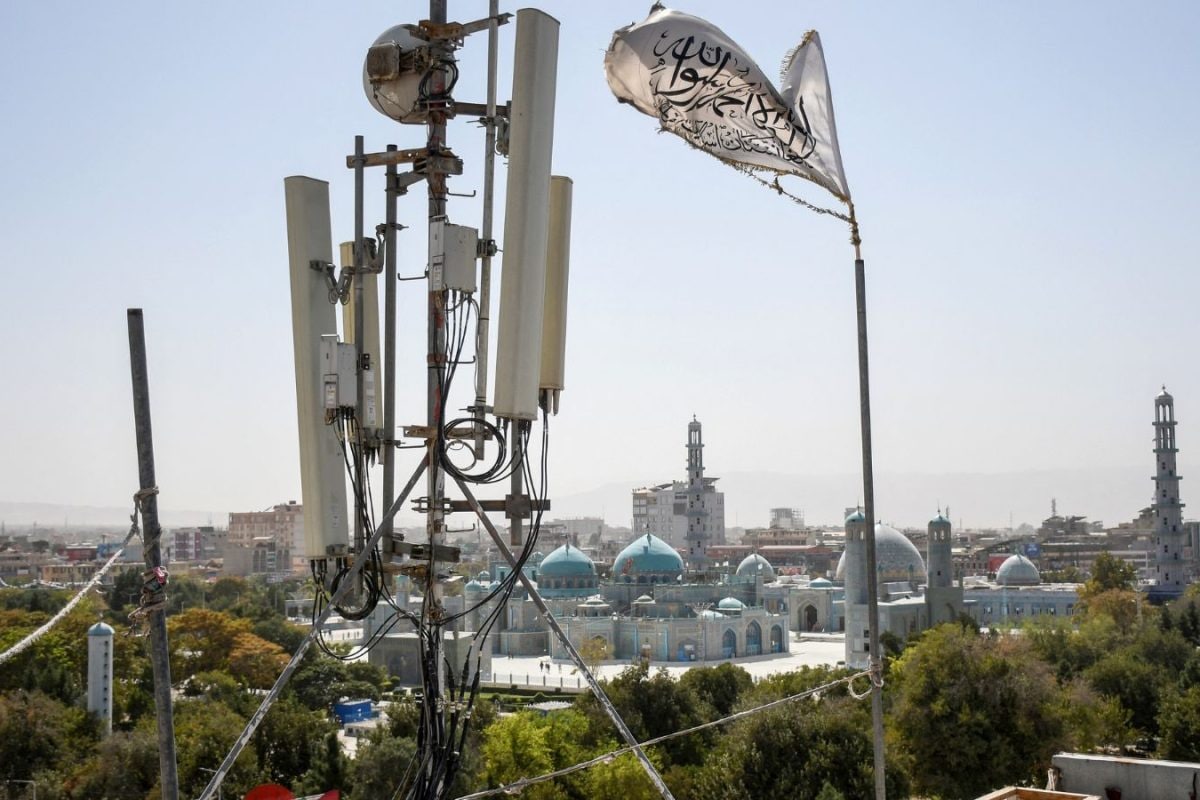
The Taliban's recent internet blackout in Afghanistan has shed light on a power struggle within the group, with the Kandahar-led faction asserting its authority over the country's digital infrastructure. This move has left many wondering about the motives behind the sudden restriction of access to government offices and its potential impact on the already fragile political landscape.
Sources close to the matter have revealed that the Taliban's decision to cut off internet access in government offices is a strategic power play. By controlling the flow of information, the Kandahar-led Taliban aims to consolidate its authority and challenge the influence of the Haqqani network, a powerful faction within the group. This internal rivalry has been simmering since the Taliban's takeover in 2021, with both sides vying for control over key institutions and resources. The internet blackout is a bold move to gain the upper hand, as it disrupts the Haqqani network's communication channels and potentially weakens its grip on certain government functions.
The fibre optic network, a critical component of Afghanistan's digital infrastructure, has become a battleground for these competing factions. The Kandahar group's strategy appears to be twofold: to limit the Haqqani network's ability to coordinate and communicate and to demonstrate its own control over vital systems. This power struggle has significant implications for the country's governance and the Taliban's internal cohesion. As the blackout continues, it raises concerns about the Taliban's ability to provide essential services and maintain stability, especially in urban areas heavily reliant on digital connectivity.
With the Taliban's decision impacting daily operations and potentially affecting the delivery of public services, the situation remains tense. The power struggle within the Taliban leadership could have far-reaching consequences for Afghanistan's future, leaving the country's digital landscape in a state of uncertainty. As the world watches, the Taliban's internal politics may shape the nation's path, with the internet blackout serving as a stark reminder of the group's tight grip on power.
Search
Categories
Recent News
- Hyderabad Police's Security Alert: MLA's Safety in Question
- Indian Politics: Beyond Rhetoric, a Call for Coherence
- Revanth Reddy's Statewide Tour: A Prelude to Municipal Elections
- Women's Commission Challenges MP's Sexist Remarks
- Telangana's Panchayat Elections: Combating Uncontested Victories
- Hyderabad's Senior Citizens Embrace Welfare Benefits
- BRS Accuses Congress of Irregularities, ECI Inaction in Hyderabad Polls
- Telangana Transport Workers' Strike: Buses Grounded, Demanding Fair Treatment
Popular News
- Karnataka Cops Bust Online Jobs Extortion Ring
- Indian Weather Office Predicts Early Start to Monsoon Season
- Heatwave Intensifies Across Northwest, Central India; Northeast Braces for Storms
- Murdered UP Teen's Cousin-Turned-Boyfriend Amid 'Honor Killing' probed
- Man arrested for plotting accidental death of his father