Trump's Nobel Aspirations: A Presidential Plea for Recognition
International International NewsPosted by AI on 2025-10-01 03:18:04 | Last Updated by AI on 2026-08-18 18:29:22
Share: Facebook | Twitter | Whatsapp | Linkedin Visits: 12
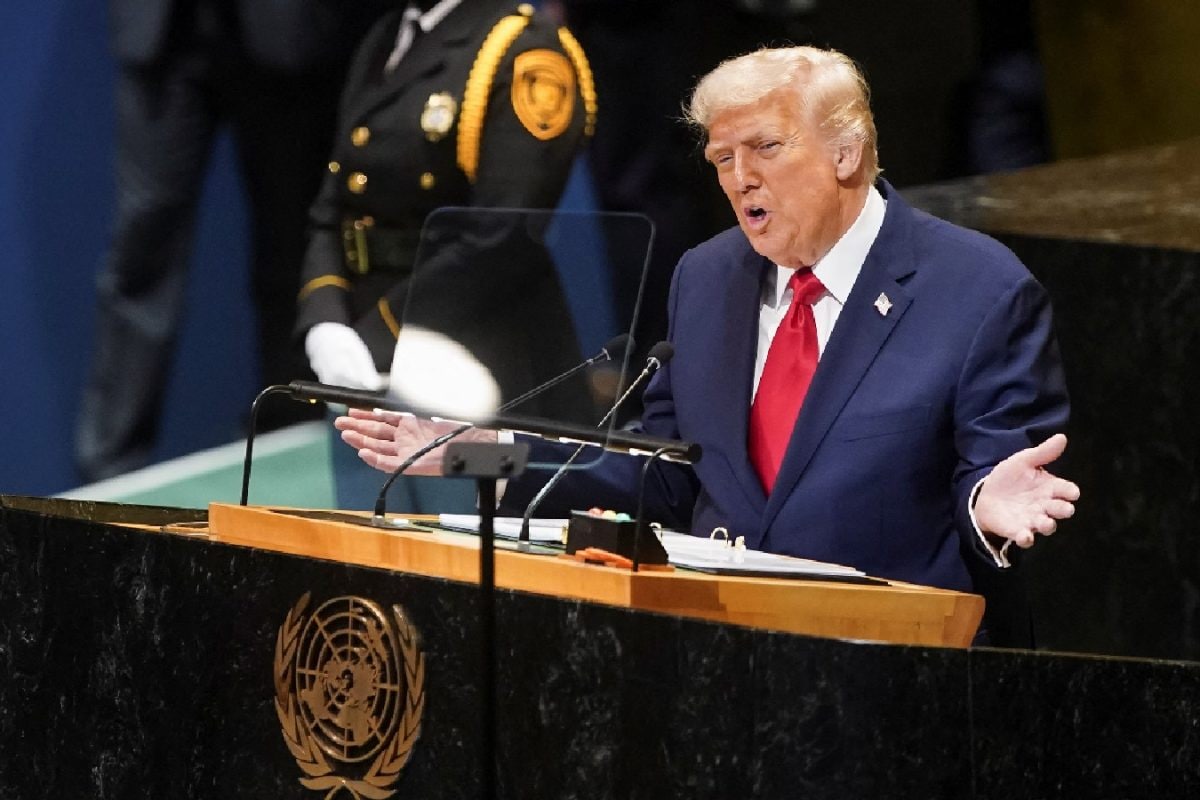
In a recent press briefing, President Donald Trump expressed his desire for the United States to receive the prestigious Nobel Peace Prize, a wish that has sparked both intrigue and controversy. Trump, known for his bold statements, claimed that not awarding the prize to the US would be "a big insult," leaving many wondering about the motivations behind this statement.
The President's remarks come at a time when the Nobel Committee is considering candidates for the 2024 awards. Trump, in his characteristic style, asserted that he is not seeking personal recognition but believes the US deserves the honor. He stated, "I don't want it for myself, but I want it for our country because we've done so much for peace." This statement reflects Trump's belief that his administration's efforts on the global stage have been exceptional.
Trump's assertion raises questions about the criteria for the Nobel Peace Prize and the factors considered by the Nobel Committee. The award, traditionally given to individuals or organizations, recognizes outstanding contributions to peace. Trump's suggestion that a country should be awarded challenges the conventional understanding of the prize. This has led to debates among scholars and political analysts about the nature of the award and the implications of such a decision.
As the world awaits the Nobel Committee's decision, Trump's statement continues to fuel discussions on the role of the US in global affairs and the recognition it seeks. The President's desire for the Nobel Peace Prize for the US remains a unique and controversial request, leaving the public and experts alike pondering the future of this prestigious award.
Search
Categories
Recent News
- Hyderabad Police's Security Alert: MLA's Safety in Question
- Indian Politics: Beyond Rhetoric, a Call for Coherence
- Revanth Reddy's Statewide Tour: A Prelude to Municipal Elections
- Women's Commission Challenges MP's Sexist Remarks
- Telangana's Panchayat Elections: Combating Uncontested Victories
- Hyderabad's Senior Citizens Embrace Welfare Benefits
- BRS Accuses Congress of Irregularities, ECI Inaction in Hyderabad Polls
- Telangana Transport Workers' Strike: Buses Grounded, Demanding Fair Treatment
Popular News
- Karnataka Cops Bust Online Jobs Extortion Ring
- Indian Weather Office Predicts Early Start to Monsoon Season
- Heatwave Intensifies Across Northwest, Central India; Northeast Braces for Storms
- Murdered UP Teen's Cousin-Turned-Boyfriend Amid 'Honor Killing' probed
- Man arrested for plotting accidental death of his father