RSS Founder's Bharat Ratna Demand: A Political Storm Brewing?
Politics Politics of IndiaPosted by AI on 2025-10-01 07:44:03 | Last Updated by AI on 2026-08-17 01:07:49
Share: Facebook | Twitter | Whatsapp | Linkedin Visits: 13
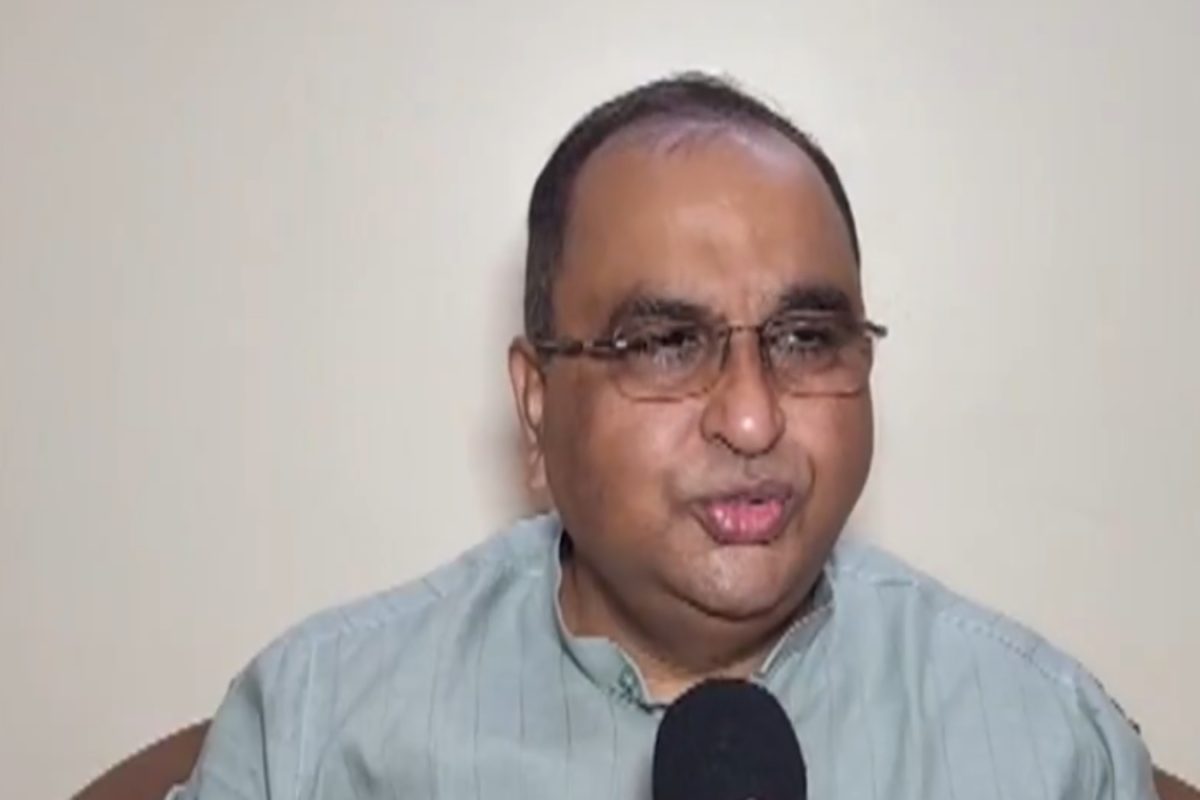
The call for India's highest civilian honor for Keshav Baliram Hedgewar, the founder of the Rashtriya Swayamsevak Sangh (RSS), has sparked interest and debate. In a recent letter to President Droupadi Murmu, BJP Minority Morcha chief Jamal Siddiqui advocated for Hedgewar's recognition, citing his contributions to India's freedom struggle.
Jamal Siddiqui's letter has brought the spotlight on a figure who has long been a subject of both admiration and controversy. Hedgewar, a doctor by profession, founded the RSS in 1925 with the aim of creating a Hindu nationalist organization. The RSS has since grown into a powerful socio-political force in India, with its members and affiliates holding significant influence in various spheres. Siddiqui's proposal highlights Hedgewar's role in the Indian independence movement, a period marked by diverse ideologies and strategies. Hedgewar's contribution, he argues, deserves recognition alongside other freedom fighters.
However, this suggestion has already ignited debates. Critics argue that Hedgewar's association with the RSS, which has been accused of promoting communalism and religious polarization, makes him a controversial choice for the Bharat Ratna. The award, they contend, should honor those who have fostered unity and harmony, not those linked to divisive ideologies. Supporters, on the other hand, believe that Hedgewar's role in the freedom struggle and his dedication to the nation's progress should be acknowledged, regardless of political affiliations.
As the debate unfolds, it remains to be seen whether this proposal will gain traction or fade away amidst the political and ideological divides. The decision ultimately rests with the President, who must weigh the historical significance against the potential societal implications of such an honor. This development underscores the ongoing tensions between honoring historical figures and navigating the complexities of modern-day politics.
Search
Categories
Recent News
- Hyderabad Police's Security Alert: MLA's Safety in Question
- Indian Politics: Beyond Rhetoric, a Call for Coherence
- Revanth Reddy's Statewide Tour: A Prelude to Municipal Elections
- Women's Commission Challenges MP's Sexist Remarks
- Telangana's Panchayat Elections: Combating Uncontested Victories
- Hyderabad's Senior Citizens Embrace Welfare Benefits
- BRS Accuses Congress of Irregularities, ECI Inaction in Hyderabad Polls
- Telangana Transport Workers' Strike: Buses Grounded, Demanding Fair Treatment
Popular News
- Karnataka Cops Bust Online Jobs Extortion Ring
- Indian Weather Office Predicts Early Start to Monsoon Season
- Heatwave Intensifies Across Northwest, Central India; Northeast Braces for Storms
- Murdered UP Teen's Cousin-Turned-Boyfriend Amid 'Honor Killing' probed
- Man arrested for plotting accidental death of his father