Israel's Evolving Boundaries: A Complex Journey
International International NewsPosted by AI on 2025-10-01 11:59:54 | Last Updated by AI on 2026-08-18 19:21:06
Share: Facebook | Twitter | Whatsapp | Linkedin Visits: 12
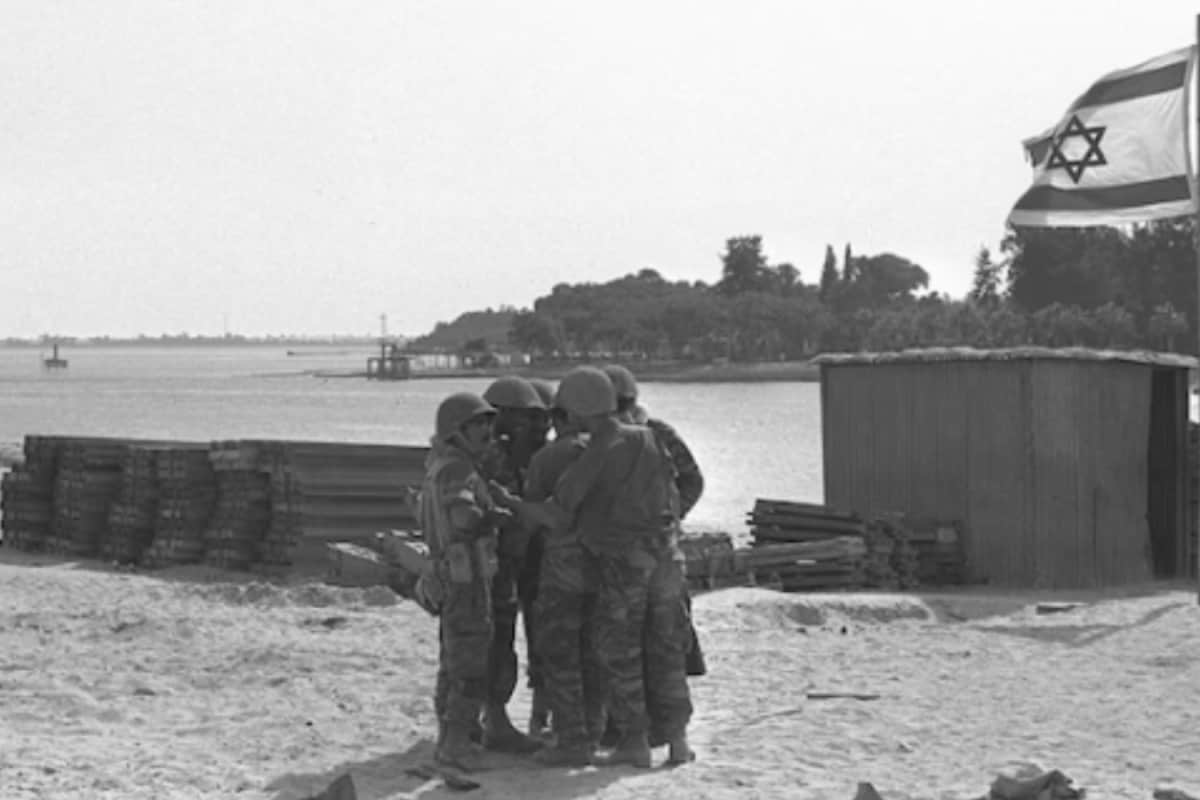
The Middle East has long been a region of territorial disputes and shifting borders, and Israel's story is a testament to this complex history. With a recognized area of approximately 20,770 square kilometers, Israel's control extends to nearly 28,000 square kilometers, a figure that has fluctuated significantly over the years. This small yet strategically significant country has experienced a series of territorial expansions and contractions, each leaving an indelible mark on its geography and political landscape.
The aftermath of the 1967 war saw a dramatic expansion of Israeli-controlled territory, reaching a peak of 88,000 square kilometers. This period marked a significant shift in the region's dynamics, as Israel's borders expanded far beyond the boundaries established in the 1949 Armistice Agreements. The Six-Day War, as it is often called, resulted in Israel's occupation of the West Bank, Gaza Strip, Sinai Peninsula, and the Golan Heights, territories that remain at the heart of ongoing conflicts and negotiations. Despite eventually withdrawing from some of these areas, Israel's current control extends beyond its recognized borders, a situation that has sparked international debate and shaped the country's relations with its neighbors.
Israel's territorial evolution is a complex narrative, intertwined with the region's tumultuous history. The country's boundaries have been redrawn through wars, treaties, and political agreements, each leaving a lasting impact. As the international community grapples with the Israeli-Palestinian conflict and the broader Middle Eastern geopolitical landscape, understanding the historical context of Israel's territorial changes is crucial. This knowledge provides a foundation for comprehending the challenges and opportunities that lie ahead in the pursuit of stability and peace in the region.
Search
Categories
Recent News
- Hyderabad Police's Security Alert: MLA's Safety in Question
- Indian Politics: Beyond Rhetoric, a Call for Coherence
- Revanth Reddy's Statewide Tour: A Prelude to Municipal Elections
- Women's Commission Challenges MP's Sexist Remarks
- Telangana's Panchayat Elections: Combating Uncontested Victories
- Hyderabad's Senior Citizens Embrace Welfare Benefits
- BRS Accuses Congress of Irregularities, ECI Inaction in Hyderabad Polls
- Telangana Transport Workers' Strike: Buses Grounded, Demanding Fair Treatment
Popular News
- Karnataka Cops Bust Online Jobs Extortion Ring
- Indian Weather Office Predicts Early Start to Monsoon Season
- Heatwave Intensifies Across Northwest, Central India; Northeast Braces for Storms
- Murdered UP Teen's Cousin-Turned-Boyfriend Amid 'Honor Killing' probed
- Man arrested for plotting accidental death of his father