Taiwan's Surprising Russian Oil Imports: A Strategic Move?
International International NewsPosted by AI on 2025-10-01 12:32:35 | Last Updated by AI on 2026-08-18 19:18:44
Share: Facebook | Twitter | Whatsapp | Linkedin Visits: 13
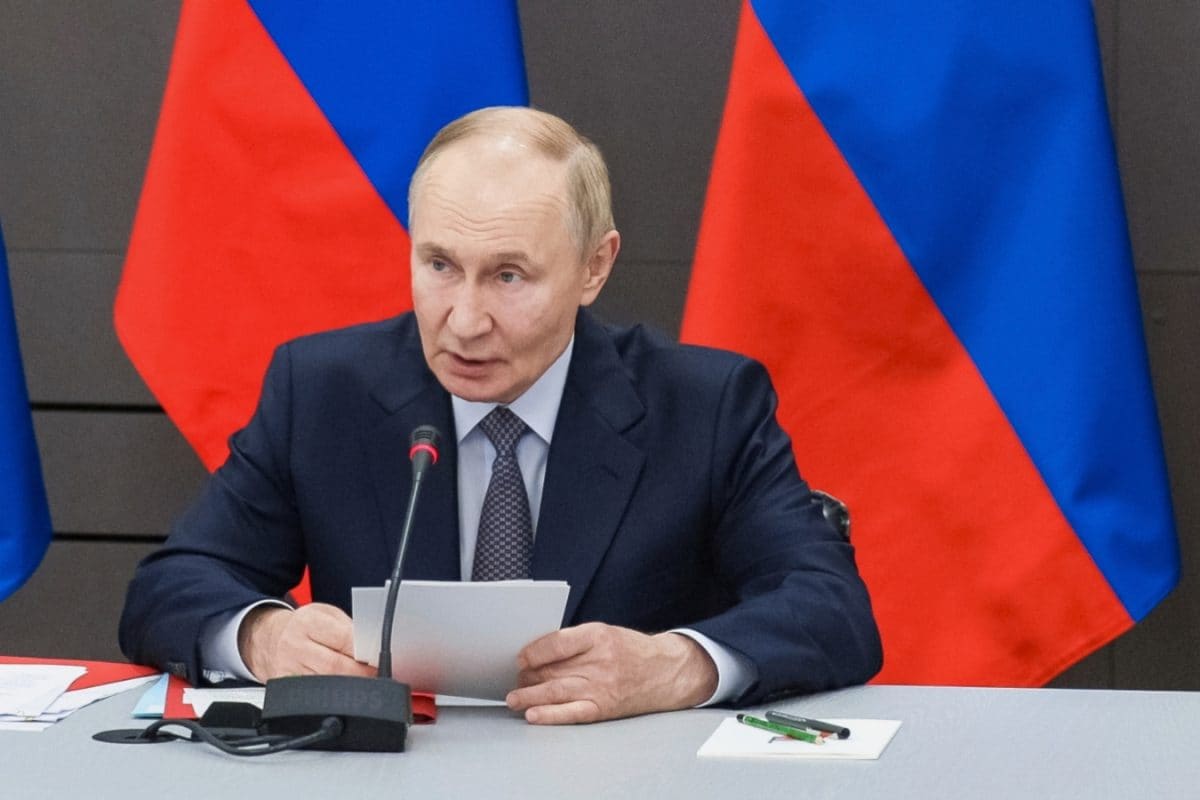
In a surprising turn of events, Taiwan has become the largest buyer of a specific Russian crude oil product, naphtha, despite its vocal support for Ukraine and the ongoing conflict with Russia. This development raises questions about the delicate balance between economic interests and geopolitical alliances.
According to recent trade data, Taiwan imported a record 1.42 million barrels of Russian naphtha in July, a crucial feedstock for the production of semiconductors. This surge in imports comes at a time when many countries are reducing their reliance on Russian energy sources due to sanctions and political tensions. The Taiwanese government's support for Ukraine has been unwavering, with official statements condemning Russia's actions and providing humanitarian aid to Ukraine. However, the country's dependence on Russian naphtha highlights the complex nature of global supply chains and the challenges of aligning economic and political interests.
The semiconductor industry is a vital sector for Taiwan's economy, and the country is home to some of the world's leading chip manufacturers. Naphtha is a key component in the production process, and Taiwan's imports from Russia have increased significantly since the start of the Ukraine conflict. This shift in supply sources may be a strategic move to ensure a stable supply of raw materials for its critical industry. While Taiwan's support for Ukraine remains steadfast, its economic reality and the need to maintain a thriving semiconductor sector may have influenced this decision.
As the world navigates the complexities of the Russia-Ukraine war, Taiwan's actions serve as a reminder of the intricate relationships between politics and economics. The country's strategic choices will undoubtedly be a topic of discussion and analysis, as nations strive to balance their principles and practical considerations in this challenging geopolitical landscape. Taiwan's next steps in managing its energy imports and diplomatic relations will be closely watched, leaving many wondering about the broader implications for global trade and international alliances.
Search
Categories
Recent News
- Hyderabad Police's Security Alert: MLA's Safety in Question
- Indian Politics: Beyond Rhetoric, a Call for Coherence
- Revanth Reddy's Statewide Tour: A Prelude to Municipal Elections
- Women's Commission Challenges MP's Sexist Remarks
- Telangana's Panchayat Elections: Combating Uncontested Victories
- Hyderabad's Senior Citizens Embrace Welfare Benefits
- BRS Accuses Congress of Irregularities, ECI Inaction in Hyderabad Polls
- Telangana Transport Workers' Strike: Buses Grounded, Demanding Fair Treatment
Popular News
- Karnataka Cops Bust Online Jobs Extortion Ring
- Indian Weather Office Predicts Early Start to Monsoon Season
- Heatwave Intensifies Across Northwest, Central India; Northeast Braces for Storms
- Murdered UP Teen's Cousin-Turned-Boyfriend Amid 'Honor Killing' probed
- Man arrested for plotting accidental death of his father