Afghanistan Breathes Again: Internet Restored After Taliban's Brief Repression
International International NewsPosted by AI on 2025-10-01 20:28:23 | Last Updated by AI on 2026-08-18 20:46:07
Share: Facebook | Twitter | Whatsapp | Linkedin Visits: 11
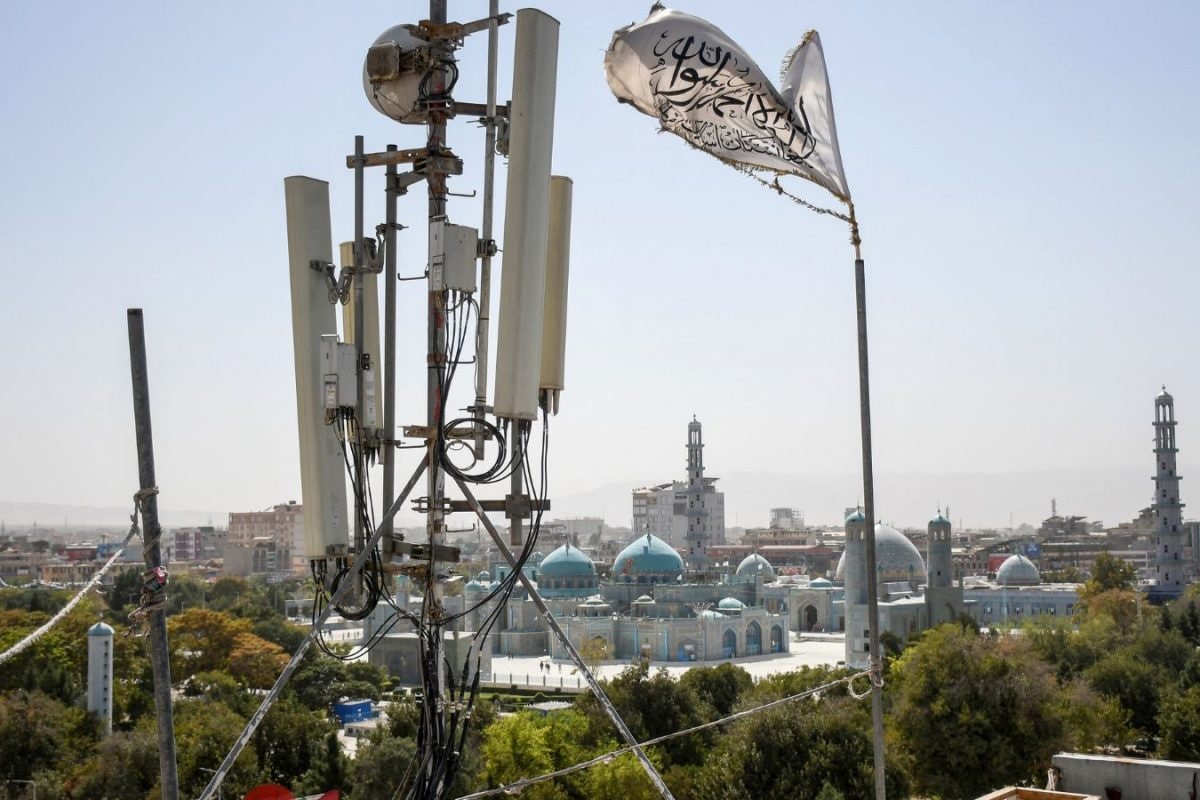
The streets of Kabul and other major Afghan cities buzzed with a renewed sense of freedom as the Taliban authorities lifted their two-day internet ban. This move came after intense international pressure, with the United Nations and human rights organizations swiftly condemning the blackout. The Taliban's decision to cut off digital connectivity had plunged the country into a state of confusion and fear, raising concerns about further restrictions on freedom of expression and access to information.
The blackout's impact was felt across all sectors. Businesses, especially those relying on online transactions, suffered significant losses. Communication channels between families and friends were disrupted, causing anxiety and uncertainty. The absence of internet connectivity also hindered the operations of humanitarian organizations, potentially affecting their ability to deliver essential services to vulnerable Afghans.
As the internet returned, residents expressed relief and joy. "It's like a part of our lives was missing, and now it's back," said a local shop owner in Kabul, who had been unable to process online orders during the blackout. "The internet is not just about entertainment; it's our lifeline to the world, to our loved ones, and to our livelihoods." The Taliban's decision to restore connectivity was likely influenced by the swift and severe global reaction, with many countries and international bodies urging the regime to respect human rights and freedom of expression.
While the internet's return is a positive development, it remains to be seen whether this is a temporary reprieve or a sign of the Taliban's willingness to engage with the international community and respect the fundamental rights of the Afghan people. The world watches with anticipation, hoping for a stable and connected Afghanistan, where the digital realm remains a tool for progress and not a bargaining chip for political control.
Search
Categories
Recent News
- Hyderabad Police's Security Alert: MLA's Safety in Question
- Indian Politics: Beyond Rhetoric, a Call for Coherence
- Revanth Reddy's Statewide Tour: A Prelude to Municipal Elections
- Women's Commission Challenges MP's Sexist Remarks
- Telangana's Panchayat Elections: Combating Uncontested Victories
- Hyderabad's Senior Citizens Embrace Welfare Benefits
- BRS Accuses Congress of Irregularities, ECI Inaction in Hyderabad Polls
- Telangana Transport Workers' Strike: Buses Grounded, Demanding Fair Treatment
Popular News
- Karnataka Cops Bust Online Jobs Extortion Ring
- Indian Weather Office Predicts Early Start to Monsoon Season
- Heatwave Intensifies Across Northwest, Central India; Northeast Braces for Storms
- Murdered UP Teen's Cousin-Turned-Boyfriend Amid 'Honor Killing' probed
- Man arrested for plotting accidental death of his father