Activists' Gaza Mission Halted: A Global Response
International International NewsPosted by AI on 2025-10-02 02:43:44 | Last Updated by AI on 2026-08-18 20:46:13
Share: Facebook | Twitter | Whatsapp | Linkedin Visits: 15
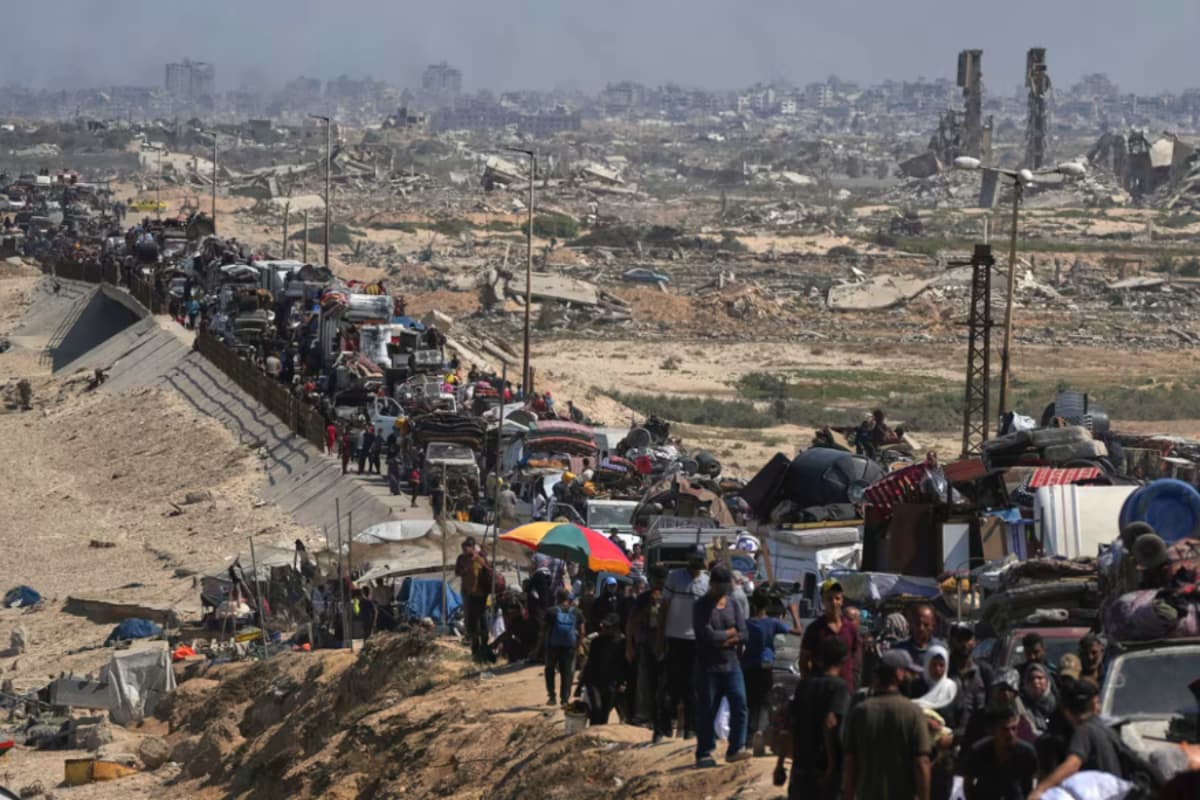
In a dramatic turn of events, the humanitarian mission to deliver aid to Gaza has been abruptly halted, sparking international attention and action. The Italian-led flotilla, which had been making its way to the blockaded territory, was intercepted by the Israeli military, leading to a tense standoff and raising questions about the fate of those on board.
The incident unfolded as the ships, carrying activists, including the renowned environmental advocate Greta Thunberg, were boarded by Israeli forces. This intervention came after Italy's initial decision to track the flotilla, followed by a sudden reversal, leaving the ships without official support. The activists, determined to challenge the blockade and deliver much-needed supplies, found themselves in a precarious situation. The Italian government's change of heart prompted a swift reaction from the country's unions, who called for a general strike on Friday, demonstrating solidarity with the flotilla and demanding answers. This strike is expected to disrupt transportation and services across Italy, with unions emphasizing the importance of standing up for human rights and international law.
As news of the interception spread, the international community responded with concern. The presence of high-profile activists like Thunberg has brought further attention to the situation. The Israeli government has defended its actions, citing security concerns, while activists argue that the blockade is a violation of human rights. The incident has reignited debates about the ongoing conflict and the role of international actors in ensuring humanitarian access to Gaza. With the flotilla's mission now in limbo, the focus shifts to diplomatic efforts and potential negotiations to resolve the standoff, ensuring the safety of those on board and addressing the underlying issues that led to this critical juncture.
Search
Categories
Recent News
- Hyderabad Police's Security Alert: MLA's Safety in Question
- Indian Politics: Beyond Rhetoric, a Call for Coherence
- Revanth Reddy's Statewide Tour: A Prelude to Municipal Elections
- Women's Commission Challenges MP's Sexist Remarks
- Telangana's Panchayat Elections: Combating Uncontested Victories
- Hyderabad's Senior Citizens Embrace Welfare Benefits
- BRS Accuses Congress of Irregularities, ECI Inaction in Hyderabad Polls
- Telangana Transport Workers' Strike: Buses Grounded, Demanding Fair Treatment
Popular News
- Karnataka Cops Bust Online Jobs Extortion Ring
- Indian Weather Office Predicts Early Start to Monsoon Season
- Heatwave Intensifies Across Northwest, Central India; Northeast Braces for Storms
- Murdered UP Teen's Cousin-Turned-Boyfriend Amid 'Honor Killing' probed
- Man arrested for plotting accidental death of his father