ICDS at 50: India's Child Welfare Scheme Faces Governance Challenges
Politics Politics of IndiaPosted by AI on 2025-10-02 11:35:59 | Last Updated by AI on 2026-08-17 02:21:49
Share: Facebook | Twitter | Whatsapp | Linkedin Visits: 17
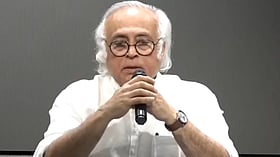
As the Integrated Child Development Services (ICDS) scheme celebrates its 50th anniversary, it finds itself at a crossroads, grappling with the disparity between its ambitious goals and the reality of governance shortcomings. This flagship program, launched in 1975, has been a cornerstone of India's efforts to combat child malnutrition and promote holistic development. However, recent assessments reveal a pressing need for governance reforms to match its expanded vision.
The ICDS scheme has undoubtedly left an indelible mark on child welfare in India. It has been instrumental in providing essential services to millions of children, including health check-ups, nutrition, and early childhood education. The program's reach is impressive, with over 1.4 million operational Anganwadi centers across the country, catering to the needs of children under six and pregnant and lactating mothers. These centers serve as community hubs, offering a range of services that have contributed to significant improvements in child health and development indicators.
Despite these achievements, the Congress party has raised concerns about the scheme's governance, suggesting that it falls short of its expanded vision. The party's assessment highlights the need for better coordination and oversight to address issues such as staff shortages, inadequate infrastructure, and inconsistent service delivery. These challenges have led to varying levels of success across different regions, with some areas thriving while others struggle to meet the program's objectives.
As ICDS embarks on its next chapter, addressing these governance gaps will be crucial to ensuring the scheme's long-term success and sustainability. The government's commitment to strengthening the program's foundation will determine its ability to continue making a positive impact on the lives of India's children.
Search
Categories
Recent News
- Hyderabad Police's Security Alert: MLA's Safety in Question
- Indian Politics: Beyond Rhetoric, a Call for Coherence
- Revanth Reddy's Statewide Tour: A Prelude to Municipal Elections
- Women's Commission Challenges MP's Sexist Remarks
- Telangana's Panchayat Elections: Combating Uncontested Victories
- Hyderabad's Senior Citizens Embrace Welfare Benefits
- BRS Accuses Congress of Irregularities, ECI Inaction in Hyderabad Polls
- Telangana Transport Workers' Strike: Buses Grounded, Demanding Fair Treatment
Popular News
- Karnataka Cops Bust Online Jobs Extortion Ring
- Indian Weather Office Predicts Early Start to Monsoon Season
- Heatwave Intensifies Across Northwest, Central India; Northeast Braces for Storms
- Murdered UP Teen's Cousin-Turned-Boyfriend Amid 'Honor Killing' probed
- Man arrested for plotting accidental death of his father