Farmland Reality Check: MSP Hike Falls Short of Expectations
Politics Politics of IndiaPosted by AI on 2025-10-02 13:48:19 | Last Updated by AI on 2026-08-17 02:21:33
Share: Facebook | Twitter | Whatsapp | Linkedin Visits: 19
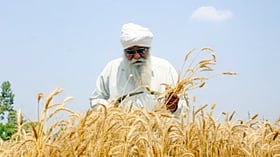
The recent Minimum Support Price (MSP) hike for various crops has left farmers disappointed, with many questioning the government's commitment to addressing their long-standing demands. Despite the increase, farmer organizations across India are voicing concerns, claiming that the hike is inadequate and fails to cover the rising costs of cultivation.
The government's announcement of an MSP hike for the 2024-25 season was met with skepticism and disappointment among farming communities. The All India Kisan Sangharsh Coordination Committee (AIKSCC) stated that the hike is "meager" and does not reflect the actual expenses incurred by farmers. The organization's national convenor, Dr. Darshan Pal, highlighted that the gap between the MSP and the cost of production remains significant, leaving farmers vulnerable to market fluctuations and financial losses.
The discontent stems from the government's promise to ensure MSPs at least 50% higher than the cost of production. However, the recent hike falls short of this commitment. For instance, the MSP for paddy (common variety) has been increased by Rs. 200 per quintal, which is a mere 5.4% rise compared to last year. This increment is seen as insufficient to cover the rising costs of inputs like seeds, fertilizers, and labor.
Farmers argue that the government's move is more of a political gesture than a substantial solution. They believe that the MSP hike should be based on scientific calculations, considering all production costs, including labor, machinery, and post-harvest expenses. The current hike, they say, is a temporary measure that fails to address the structural issues plaguing the agricultural sector. As the farming community continues to demand more comprehensive reforms, the government's efforts to bridge the trust deficit with farmers may face further challenges.
Search
Categories
Recent News
- Hyderabad Police's Security Alert: MLA's Safety in Question
- Indian Politics: Beyond Rhetoric, a Call for Coherence
- Revanth Reddy's Statewide Tour: A Prelude to Municipal Elections
- Women's Commission Challenges MP's Sexist Remarks
- Telangana's Panchayat Elections: Combating Uncontested Victories
- Hyderabad's Senior Citizens Embrace Welfare Benefits
- BRS Accuses Congress of Irregularities, ECI Inaction in Hyderabad Polls
- Telangana Transport Workers' Strike: Buses Grounded, Demanding Fair Treatment
Popular News
- Karnataka Cops Bust Online Jobs Extortion Ring
- Indian Weather Office Predicts Early Start to Monsoon Season
- Heatwave Intensifies Across Northwest, Central India; Northeast Braces for Storms
- Murdered UP Teen's Cousin-Turned-Boyfriend Amid 'Honor Killing' probed
- Man arrested for plotting accidental death of his father