FBI Director's Controversial Dismissal Sparks Debate
International International NewsPosted by AI on 2025-10-03 05:10:42 | Last Updated by AI on 2026-08-19 00:06:09
Share: Facebook | Twitter | Whatsapp | Linkedin Visits: 25
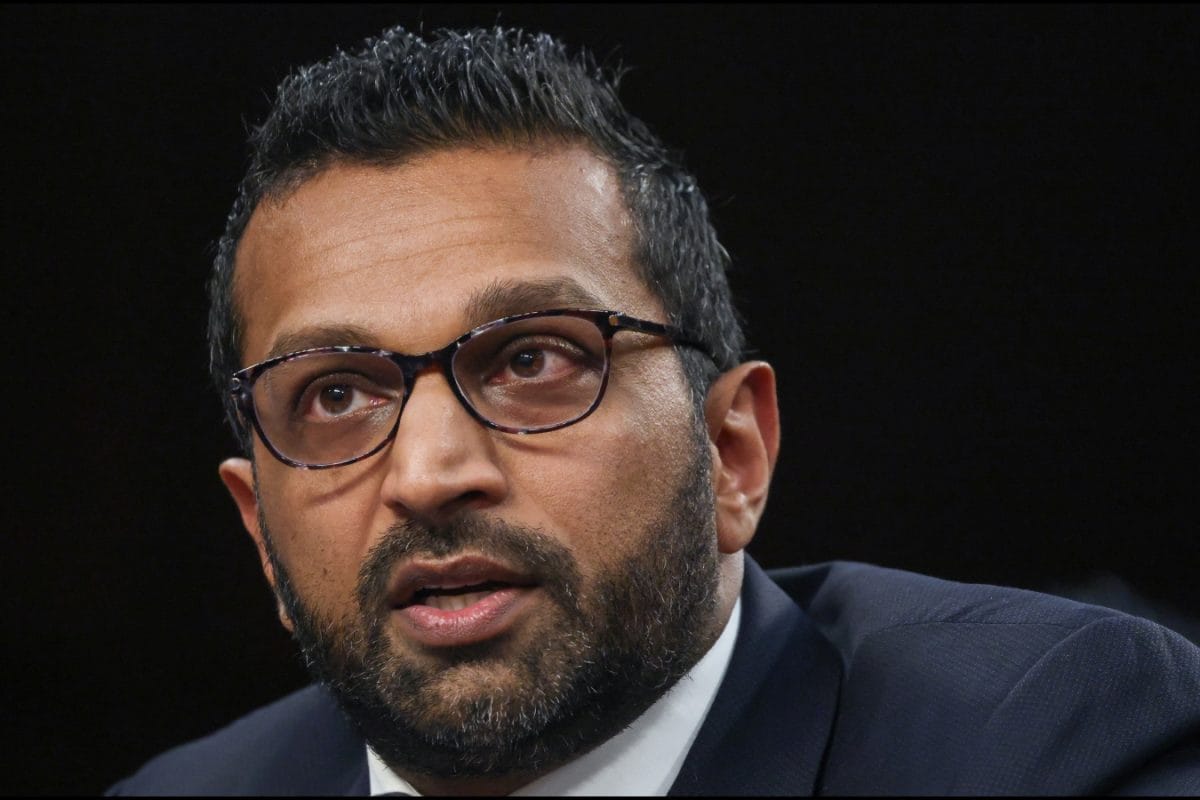
In a move that has sent shockwaves through the FBI and the LGBTQ+ community, Director Kash Patel has dismissed a trainee for displaying a gay pride flag at his desk, raising questions about the agency's commitment to diversity and sparking legal challenges. This decision has ignited a firestorm of controversy, with many questioning the reasoning behind it.
The trainee, whose identity has not been disclosed, was reportedly let go from the FBI's New Agent Training program after displaying the flag, which was deemed a violation of the agency's policy on political signage. According to sources, Director Patel cited "poor judgment" as the reason for the dismissal, arguing that the flag could be perceived as a political statement. This decision has sparked outrage and confusion within the FBI ranks, with many agents expressing concern over the apparent contradiction with the agency's values.
The FBI has long prided itself on its commitment to diversity and inclusion, and this incident has brought these values into question. The trainee's supporters argue that the gay pride flag is a symbol of identity and community, not a political statement. They believe the dismissal sends a chilling message to LGBTQ+ individuals within the agency and beyond. Legal experts are now weighing in, suggesting that the trainee may have a strong case for wrongful termination, especially given the FBI's own diversity initiatives and policies.
As the story gains traction, the FBI is facing increasing pressure to address the concerns raised. The agency's response will be crucial in determining its reputation for inclusivity and its ability to attract and retain diverse talent. This incident serves as a stark reminder that even in institutions dedicated to justice and equality, the fight for acceptance and understanding is ongoing. The FBI's handling of this matter will undoubtedly shape public perception and could have far-reaching consequences for its relationship with the LGBTQ+ community.
Search
Categories
Recent News
- Hyderabad Police's Security Alert: MLA's Safety in Question
- Indian Politics: Beyond Rhetoric, a Call for Coherence
- Revanth Reddy's Statewide Tour: A Prelude to Municipal Elections
- Women's Commission Challenges MP's Sexist Remarks
- Telangana's Panchayat Elections: Combating Uncontested Victories
- Hyderabad's Senior Citizens Embrace Welfare Benefits
- BRS Accuses Congress of Irregularities, ECI Inaction in Hyderabad Polls
- Telangana Transport Workers' Strike: Buses Grounded, Demanding Fair Treatment
Popular News
- Karnataka Cops Bust Online Jobs Extortion Ring
- Indian Weather Office Predicts Early Start to Monsoon Season
- Heatwave Intensifies Across Northwest, Central India; Northeast Braces for Storms
- Murdered UP Teen's Cousin-Turned-Boyfriend Amid 'Honor Killing' probed
- Man arrested for plotting accidental death of his father