Trump's Education Agenda: Federal Funding With Strings Attached
International International NewsPosted by AI on 2025-10-03 06:38:39 | Last Updated by AI on 2026-08-19 00:54:44
Share: Facebook | Twitter | Whatsapp | Linkedin Visits: 17
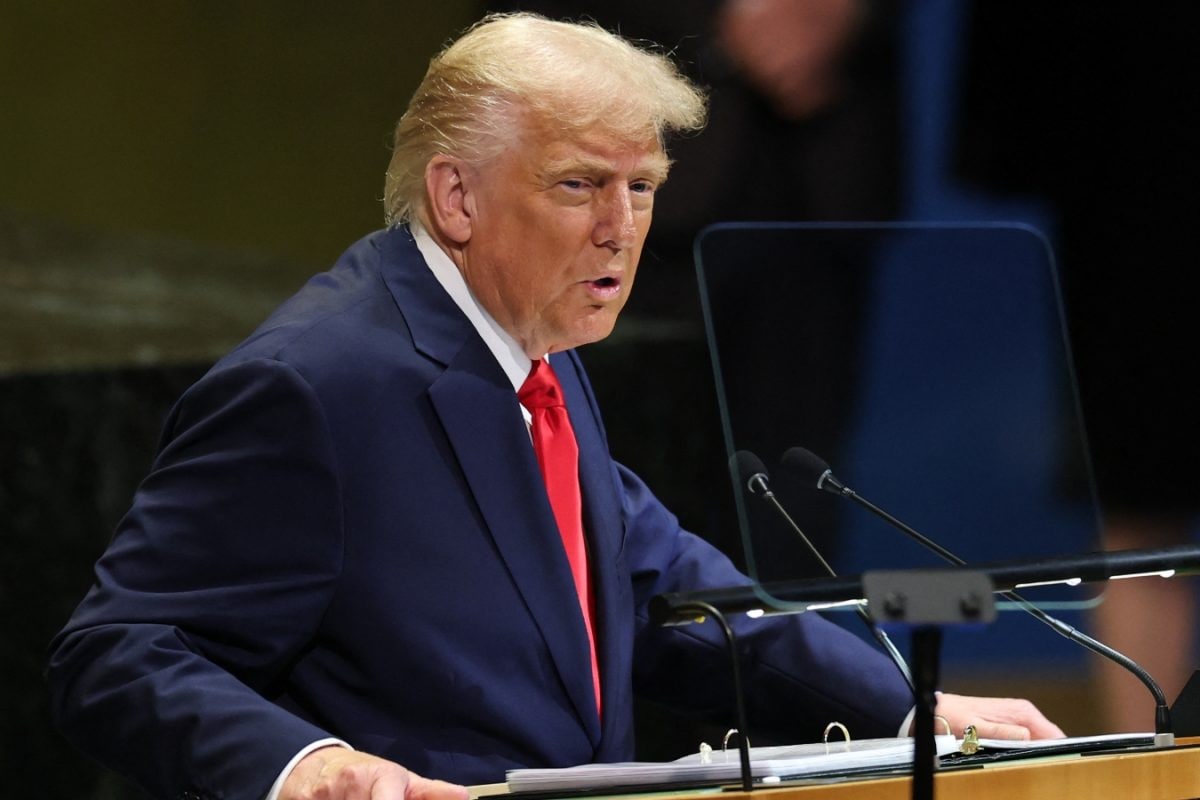
The Trump administration has sparked debate by proposing a unique approach to federal funding for higher education, targeting nine universities with a controversial offer. In a bold move, the White House has requested that these institutions align their policies with the President's priorities, covering a range of issues from admissions and free speech to gender and tuition fees. This proposal has raised questions about the future of federal funding and its potential impact on academic freedom.
The selected universities, including Harvard, Yale, and Stanford, are now faced with a decision that could shape their institutional direction. The White House's proposal suggests that federal funding will be contingent on these institutions adopting specific policies. For instance, the administration wants universities to prioritize merit-based admissions, promote free speech on campus, and ensure gender equality in sports. Additionally, the White House has urged universities to lower tuition fees, a move that could significantly impact the financial landscape of higher education.
This initiative has already generated mixed reactions. Critics argue that it undermines the autonomy of universities and may lead to a one-size-fits-all approach to education. They fear that institutions might be forced to compromise their academic values and traditions to secure federal funding. Supporters, however, believe that aligning with the administration's priorities could bring much-needed reform and accountability to higher education. They argue that federal funding should come with expectations of alignment on key national issues.
As these universities deliberate their response, the outcome will likely set a precedent for the relationship between the government and higher education institutions. The debate over federal funding and academic freedom is far from over, and the decisions made by these nine universities will undoubtedly shape the future of education in the United States.
Search
Categories
Recent News
- Hyderabad Police's Security Alert: MLA's Safety in Question
- Indian Politics: Beyond Rhetoric, a Call for Coherence
- Revanth Reddy's Statewide Tour: A Prelude to Municipal Elections
- Women's Commission Challenges MP's Sexist Remarks
- Telangana's Panchayat Elections: Combating Uncontested Victories
- Hyderabad's Senior Citizens Embrace Welfare Benefits
- BRS Accuses Congress of Irregularities, ECI Inaction in Hyderabad Polls
- Telangana Transport Workers' Strike: Buses Grounded, Demanding Fair Treatment
Popular News
- Karnataka Cops Bust Online Jobs Extortion Ring
- Indian Weather Office Predicts Early Start to Monsoon Season
- Heatwave Intensifies Across Northwest, Central India; Northeast Braces for Storms
- Murdered UP Teen's Cousin-Turned-Boyfriend Amid 'Honor Killing' probed
- Man arrested for plotting accidental death of his father