Gaza Ceasefire: Hamas' Silence Amid Escalating Tensions
International International NewsPosted by AI on 2025-10-03 10:19:20 | Last Updated by AI on 2026-08-19 00:55:04
Share: Facebook | Twitter | Whatsapp | Linkedin Visits: 25
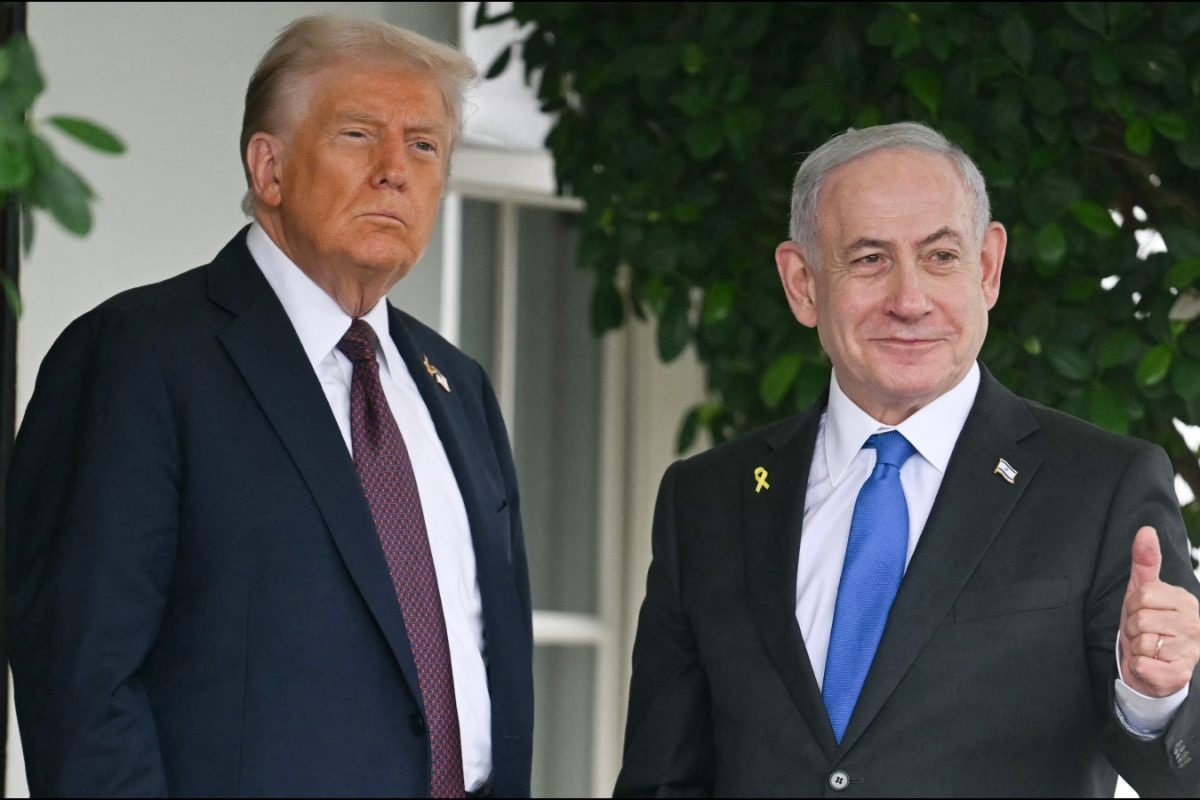
The Middle East is once again at the center of geopolitical tensions as the Gaza ceasefire hangs in the balance. With the recent escalation of violence, the US and Israel have proposed a plan to end the hostilities, but Hamas, the governing authority in Gaza, remains silent. This strategic pause raises questions about the future of the region and the potential consequences of inaction.
The US President, Donald Trump, has taken a firm stance, stating that Israel has the right to defend itself and setting a clear condition for Hamas to accept the ceasefire. This red line, as Trump calls it, is a demand for Hamas to recognize Israel's right to exist. The proposal comes after a week of intense conflict, with Israel launching airstrikes in Gaza and Hamas firing rockets into Israeli territory. The death toll has risen to over 100 Palestinians and a handful of Israelis, with many more injured.
Israeli Prime Minister Benjamin Netanyahu has also issued a stern warning, stating that if Hamas does not accept the terms, Israel is prepared to "finish the job." This ultimatum adds to the pressure on Hamas, which now finds itself in a delicate position. The group's silence could be a strategic move to buy time and assess the situation, or it may be an indication of internal deliberations and the complexity of the decision at hand.
As the world waits for Hamas' response, the fate of the ceasefire hangs in the balance. The consequences of their decision will have far-reaching implications for the region's stability and the lives of millions of people. With the potential for further escalation, the international community is closely monitoring the situation, hoping for a peaceful resolution to this long-standing conflict.
Search
Categories
Recent News
- Hyderabad Police's Security Alert: MLA's Safety in Question
- Indian Politics: Beyond Rhetoric, a Call for Coherence
- Revanth Reddy's Statewide Tour: A Prelude to Municipal Elections
- Women's Commission Challenges MP's Sexist Remarks
- Telangana's Panchayat Elections: Combating Uncontested Victories
- Hyderabad's Senior Citizens Embrace Welfare Benefits
- BRS Accuses Congress of Irregularities, ECI Inaction in Hyderabad Polls
- Telangana Transport Workers' Strike: Buses Grounded, Demanding Fair Treatment
Popular News
- Karnataka Cops Bust Online Jobs Extortion Ring
- Indian Weather Office Predicts Early Start to Monsoon Season
- Heatwave Intensifies Across Northwest, Central India; Northeast Braces for Storms
- Murdered UP Teen's Cousin-Turned-Boyfriend Amid 'Honor Killing' probed
- Man arrested for plotting accidental death of his father