Philippines Military Chief Rejects Coup Calls Amid China Tensions
International International NewsPosted by AI on 2025-10-03 14:59:51 | Last Updated by AI on 2026-08-19 01:38:21
Share: Facebook | Twitter | Whatsapp | Linkedin Visits: 14
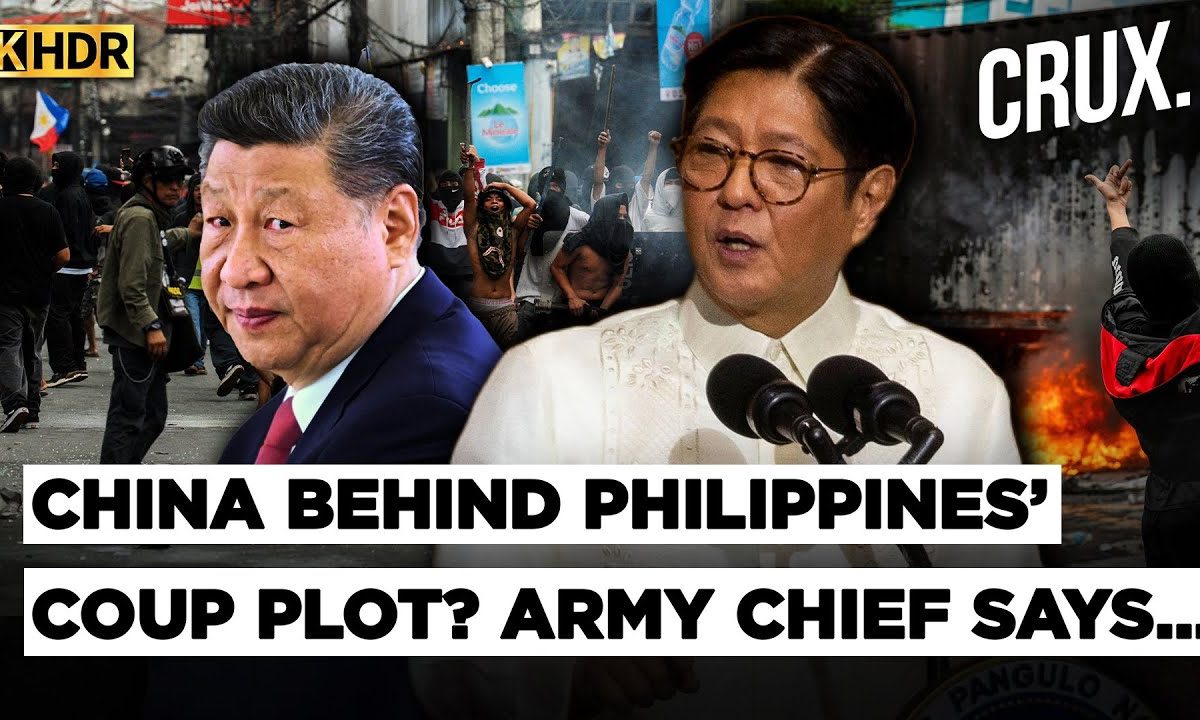
The Philippines is grappling with a potential political crisis as calls for a military coup against President Ferdinand Marcos Jr. emerge amidst rising public discontent and growing tensions with China. General Romeo Brawner, the country's military chief, has found himself at the center of this turmoil, revealing that he recently rebuffed coup suggestions from retired officers. This development comes on the heels of massive anti-corruption protests in Manila last month, where demonstrators voiced their anger over fraudulent flood-control projects that allegedly siphoned billions of dollars from taxpayers.
The protests, which took place on September 21, saw a significant turnout, with some protesters advocating for the Armed Forces of the Philippines (AFP) to take the lead in addressing the country's issues. General Brawner, speaking at a news forum, disclosed that there were "several calls for us to intervene," including attempts to recruit younger officers. This revelation raises concerns about the stability of the Marcos administration, which has been facing mounting criticism for its handling of various issues, including corruption and the country's territorial disputes with China.
The situation is particularly sensitive given the Philippines' history of military coups and the ongoing tensions with China. General Brawner's firm stance against any military intervention in politics is a crucial reassurance for the country's democratic process. However, the underlying issues of corruption and territorial disputes remain pressing concerns that the government must address to maintain public trust and national security. With the AFP's commitment to its constitutional role, the focus now shifts to the government's response to the corruption allegations and its strategy to navigate the complex relationship with China.
Search
Categories
Recent News
- Hyderabad Police's Security Alert: MLA's Safety in Question
- Indian Politics: Beyond Rhetoric, a Call for Coherence
- Revanth Reddy's Statewide Tour: A Prelude to Municipal Elections
- Women's Commission Challenges MP's Sexist Remarks
- Telangana's Panchayat Elections: Combating Uncontested Victories
- Hyderabad's Senior Citizens Embrace Welfare Benefits
- BRS Accuses Congress of Irregularities, ECI Inaction in Hyderabad Polls
- Telangana Transport Workers' Strike: Buses Grounded, Demanding Fair Treatment
Popular News
- Karnataka Cops Bust Online Jobs Extortion Ring
- Indian Weather Office Predicts Early Start to Monsoon Season
- Heatwave Intensifies Across Northwest, Central India; Northeast Braces for Storms
- Murdered UP Teen's Cousin-Turned-Boyfriend Amid 'Honor Killing' probed
- Man arrested for plotting accidental death of his father