Putin Condemns Kirk's Assassination: A Nation's Deep Wounds Exposed
International International NewsPosted by AI on 2025-10-03 17:35:20 | Last Updated by AI on 2026-08-19 02:23:54
Share: Facebook | Twitter | Whatsapp | Linkedin Visits: 13
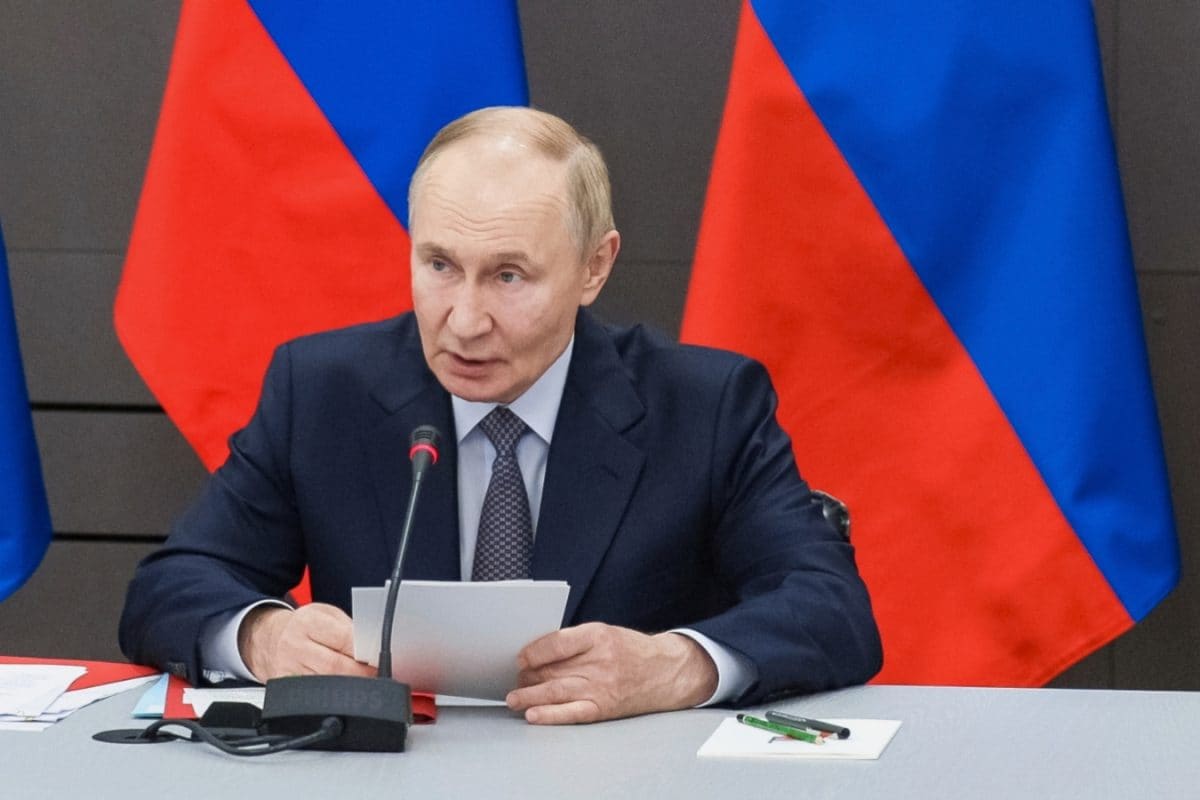
The assassination of prominent conservative commentator Charlie Kirk has sparked international reactions, with Russian President Vladimir Putin expressing his condemnation. In a recent statement, Putin labeled the killing a "deep rift" in American society, marking a rare instance of the Russian leader commenting on domestic US affairs.
Putin's remarks come amidst heightened tensions between the two nations, adding a new layer of complexity to the already strained relationship. He described Kirk's assassination as a "disgusting and horrific act," emphasizing the need for unity and dialogue to address the underlying issues. The Russian leader's comments reflect a growing concern about the potential consequences of such a high-profile murder on an already divided nation.
This assassination has sent shockwaves through the political landscape, with many questioning the state of security and discourse in the country. Kirk, a well-known figure in conservative circles, had a significant online presence and was a vocal critic of the left. His death has ignited debates about the extreme polarization of American politics and the potential dangers it poses. As the investigation unfolds, the public's attention is focused on the broader implications for free speech and political engagement.
The aftermath of Kirk's assassination is likely to have far-reaching effects, impacting not only the political arena but also the social fabric of the nation. It raises questions about the ability to engage in civil discourse and the potential consequences of extreme ideologies. As the world watches, the US grapples with the challenge of healing its deep wounds while ensuring the protection of its citizens' fundamental rights. The coming days will be crucial in determining the path forward for a nation seeking to address its internal divisions.
Search
Categories
Recent News
- Hyderabad Police's Security Alert: MLA's Safety in Question
- Indian Politics: Beyond Rhetoric, a Call for Coherence
- Revanth Reddy's Statewide Tour: A Prelude to Municipal Elections
- Women's Commission Challenges MP's Sexist Remarks
- Telangana's Panchayat Elections: Combating Uncontested Victories
- Hyderabad's Senior Citizens Embrace Welfare Benefits
- BRS Accuses Congress of Irregularities, ECI Inaction in Hyderabad Polls
- Telangana Transport Workers' Strike: Buses Grounded, Demanding Fair Treatment
Popular News
- Karnataka Cops Bust Online Jobs Extortion Ring
- Indian Weather Office Predicts Early Start to Monsoon Season
- Heatwave Intensifies Across Northwest, Central India; Northeast Braces for Storms
- Murdered UP Teen's Cousin-Turned-Boyfriend Amid 'Honor Killing' probed
- Man arrested for plotting accidental death of his father