Maldives Unrest: Anti-Government Protests Turn Violent
International International NewsPosted by AI on 2025-10-04 10:46:52 | Last Updated by AI on 2026-08-19 04:01:51
Share: Facebook | Twitter | Whatsapp | Linkedin Visits: 18
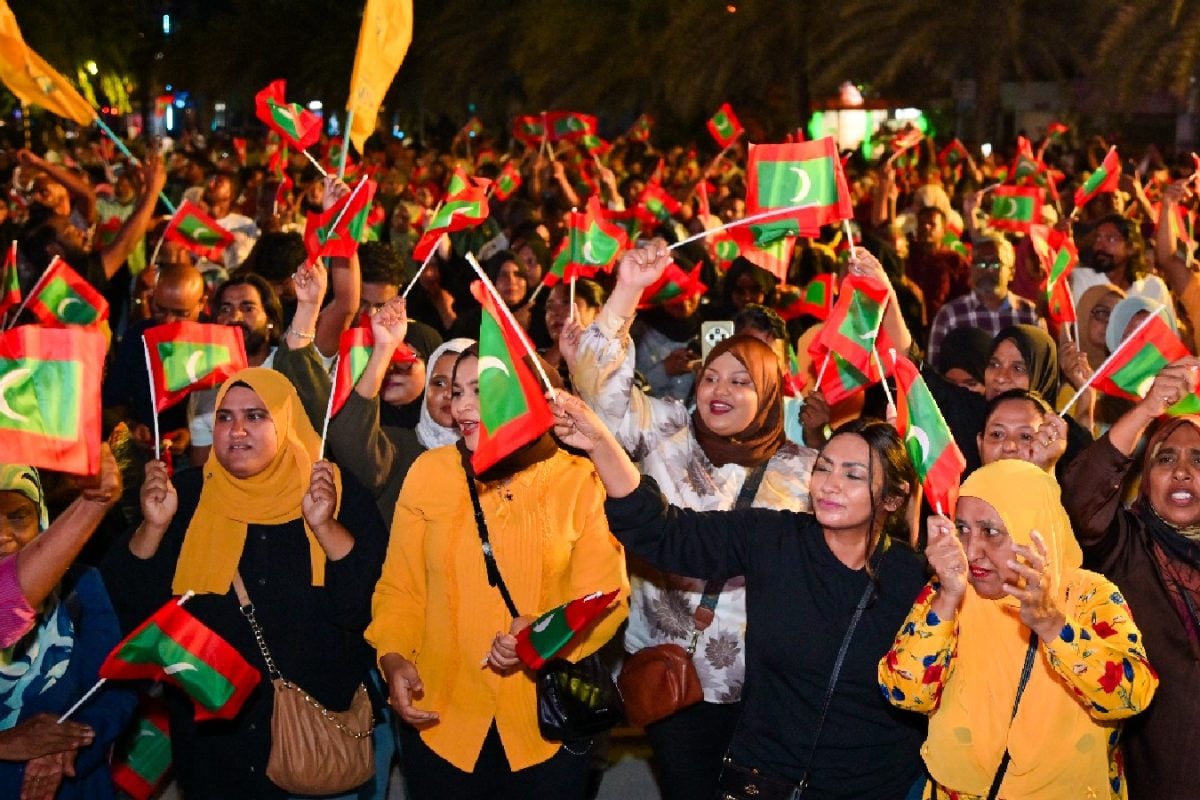
The streets of Male, the capital of the Maldives, were filled with the sounds of anger and defiance as thousands of protesters gathered to voice their discontent with President Muizzu's administration. The demonstration, organized by the opposition Maldivian Democratic Party (MDP), aimed to bring attention to the country's escalating corruption scandals and the government's failure to address the rising cost of living.
The rally began peacefully, with passionate speeches and chants demanding accountability and transparency. Protesters held signs reading "Enough is Enough" and "Muizzu Out," reflecting the growing frustration among citizens. However, as the crowd swelled, tensions rose, and the situation took a violent turn. Clashes erupted between protesters and police forces, resulting in a chaotic scene. Police officers in riot gear attempted to disperse the crowd, using tear gas and batons, while protesters retaliated by throwing stones and other objects. The confrontation led to several injuries and the arrest of eight individuals, according to official reports.
The MDP has accused the government of using excessive force and suppressing the people's right to peaceful assembly. They claim that the protests are a response to the government's failure to address widespread corruption, which has allegedly led to the embezzlement of millions of dollars. The rising prices of essential goods and services have further fueled public anger, with many blaming the government's mismanagement and corruption for the economic hardships faced by ordinary citizens.
As the Maldives grapples with political unrest, the country's future remains uncertain. The MDP has vowed to continue their protests until their demands for an independent investigation into corruption allegations and immediate action to alleviate the economic crisis are met. The government, meanwhile, faces a critical test of its legitimacy and ability to restore stability and public trust.
Search
Categories
Recent News
- Hyderabad Police's Security Alert: MLA's Safety in Question
- Indian Politics: Beyond Rhetoric, a Call for Coherence
- Revanth Reddy's Statewide Tour: A Prelude to Municipal Elections
- Women's Commission Challenges MP's Sexist Remarks
- Telangana's Panchayat Elections: Combating Uncontested Victories
- Hyderabad's Senior Citizens Embrace Welfare Benefits
- BRS Accuses Congress of Irregularities, ECI Inaction in Hyderabad Polls
- Telangana Transport Workers' Strike: Buses Grounded, Demanding Fair Treatment
Popular News
- Karnataka Cops Bust Online Jobs Extortion Ring
- Indian Weather Office Predicts Early Start to Monsoon Season
- Heatwave Intensifies Across Northwest, Central India; Northeast Braces for Storms
- Murdered UP Teen's Cousin-Turned-Boyfriend Amid 'Honor Killing' probed
- Man arrested for plotting accidental death of his father