Russia Dismisses Rumors of Jet Engine Deal with Pakistan
International International NewsPosted by AI on 2025-10-05 03:59:30 | Last Updated by AI on 2026-08-19 05:42:29
Share: Facebook | Twitter | Whatsapp | Linkedin Visits: 11
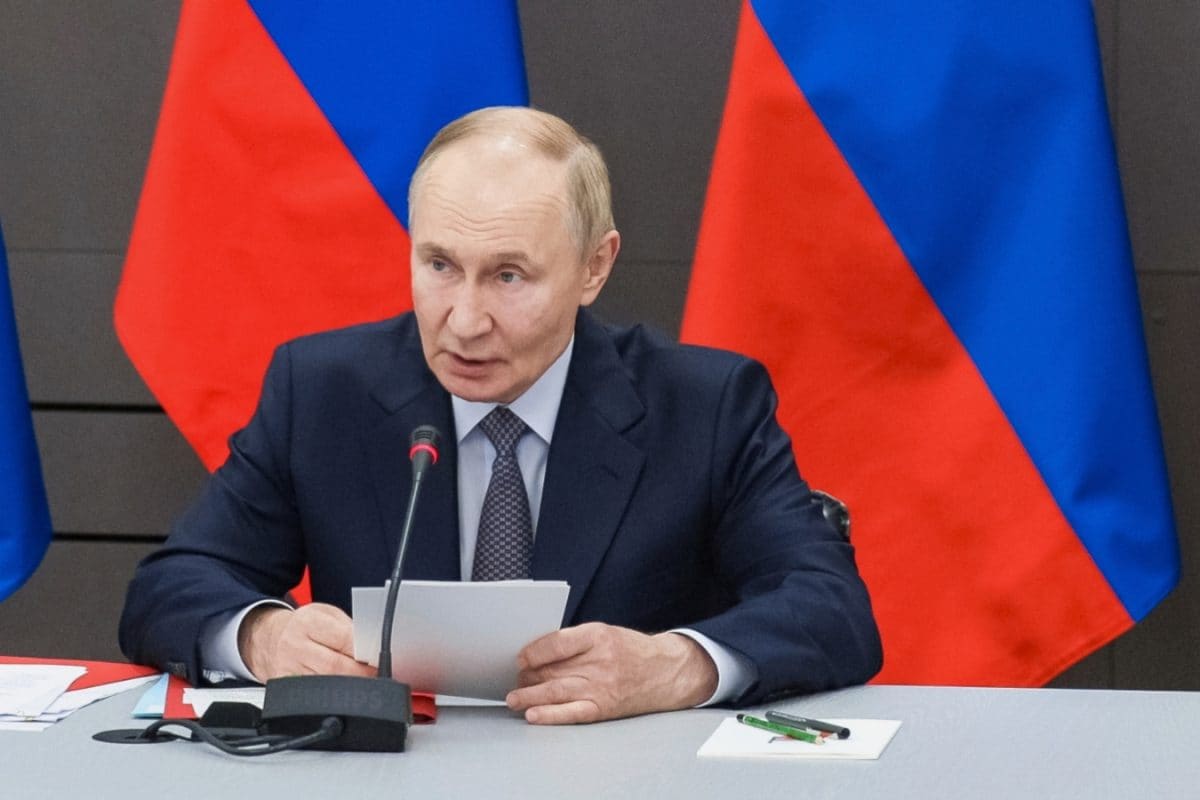
In a recent development, Russia has vehemently denied allegations of supplying advanced jet engines to Pakistan, labeling such claims as "illogical" and "inaccurate." This comes as a response to media reports suggesting a potential collaboration between the two nations, which has now been categorically refuted.
The controversy revolves around the RD-93MA engines, a cutting-edge technology developed by Russia's state-owned Rostec Corporation. These engines are rumored to be the intended power source for Pakistan's JF-17 Thunder Block III fighter jets, a project that has been under development for several years. However, Russian officials have firmly denied any involvement in this venture.
"Such claims are illogical and do not hold any water," stated a spokesperson from the Russian Embassy in Pakistan. "Russia has not supplied, nor does it plan to supply, any RD-93MA engines to Pakistan. Our defense cooperation with Pakistan is limited and does not extend to such advanced technology transfer." The statement further emphasized that Russia's defense partnerships are transparent and in line with international regulations, dismissing any speculation of clandestine deals.
This clarification comes at a time when global defense deals are under intense scrutiny, with nations increasingly sensitive to potential security threats and the implications of technology sharing. The denial highlights the delicate nature of international defense collaborations and the importance of transparency in maintaining geopolitical stability. As the world watches, the spotlight now shifts to Pakistan's response and the future of its JF-17 Thunder Block III project.
Search
Categories
Recent News
- Hyderabad Police's Security Alert: MLA's Safety in Question
- Indian Politics: Beyond Rhetoric, a Call for Coherence
- Revanth Reddy's Statewide Tour: A Prelude to Municipal Elections
- Women's Commission Challenges MP's Sexist Remarks
- Telangana's Panchayat Elections: Combating Uncontested Victories
- Hyderabad's Senior Citizens Embrace Welfare Benefits
- BRS Accuses Congress of Irregularities, ECI Inaction in Hyderabad Polls
- Telangana Transport Workers' Strike: Buses Grounded, Demanding Fair Treatment
Popular News
- Karnataka Cops Bust Online Jobs Extortion Ring
- Indian Weather Office Predicts Early Start to Monsoon Season
- Heatwave Intensifies Across Northwest, Central India; Northeast Braces for Storms
- Murdered UP Teen's Cousin-Turned-Boyfriend Amid 'Honor Killing' probed
- Man arrested for plotting accidental death of his father