India's Foreign Policy Fiasco: A Decade of Diplomatic Missteps
International International NewsPosted by AI on 2025-10-05 08:06:38 | Last Updated by AI on 2026-08-19 05:43:11
Share: Facebook | Twitter | Whatsapp | Linkedin Visits: 15
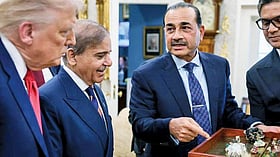
India's foreign policy under the leadership of Prime Minister Narendra Modi has been a subject of growing concern and criticism, particularly in the context of its relationship with the United States during the Trump era. The past eleven years have witnessed a series of diplomatic blunders that have raised questions about the country's strategic vision and its ability to protect its national interests on the global stage.
The Modi government's approach to foreign affairs has been characterized by a mix of ambitious initiatives and controversial decisions. While the Prime Minister has actively pursued a more prominent role for India in international organizations and alliances, his administration's handling of bilateral relationships has often been criticized as inconsistent and lacking strategic depth. The most glaring example of this is the India-US relationship, which has been a rollercoaster ride during the Trump presidency. The personal chemistry between Modi and Trump, initially hailed as a diplomatic triumph, failed to translate into substantial policy gains for India. The withdrawal of the Generalized System of Preferences (GSP) benefits by the US and India's exclusion from the Afghanistan peace talks are stark reminders of the diplomatic challenges faced during this period.
Furthermore, India's engagement with its immediate neighbors has also been fraught with difficulties. The country's relationship with Pakistan remains tense, with frequent border skirmishes and diplomatic stalemates. The recent border standoff with China in the Himalayas has further complicated India's regional security environment, exposing the limitations of its foreign policy strategies. Critics argue that the government's approach has been reactive rather than proactive, often failing to anticipate and address emerging geopolitical challenges.
As India navigates an increasingly complex global landscape, the need for a coherent and forward-looking foreign policy is more crucial than ever. The country's diplomatic missteps over the past decade serve as a stark reminder that effective leadership and strategic vision are essential to safeguarding national interests and ensuring a stable and prosperous future. The upcoming years will be a test of India's ability to learn from past mistakes and chart a new course in international relations.
Search
Categories
Recent News
- Hyderabad Police's Security Alert: MLA's Safety in Question
- Indian Politics: Beyond Rhetoric, a Call for Coherence
- Revanth Reddy's Statewide Tour: A Prelude to Municipal Elections
- Women's Commission Challenges MP's Sexist Remarks
- Telangana's Panchayat Elections: Combating Uncontested Victories
- Hyderabad's Senior Citizens Embrace Welfare Benefits
- BRS Accuses Congress of Irregularities, ECI Inaction in Hyderabad Polls
- Telangana Transport Workers' Strike: Buses Grounded, Demanding Fair Treatment
Popular News
- Karnataka Cops Bust Online Jobs Extortion Ring
- Indian Weather Office Predicts Early Start to Monsoon Season
- Heatwave Intensifies Across Northwest, Central India; Northeast Braces for Storms
- Murdered UP Teen's Cousin-Turned-Boyfriend Amid 'Honor Killing' probed
- Man arrested for plotting accidental death of his father