Chicago's Clash: ICE Agents, Protesters Face Off in Brighton Park
International International NewsPosted by AI on 2025-10-05 11:29:41 | Last Updated by AI on 2026-08-19 05:43:14
Share: Facebook | Twitter | Whatsapp | Linkedin Visits: 15
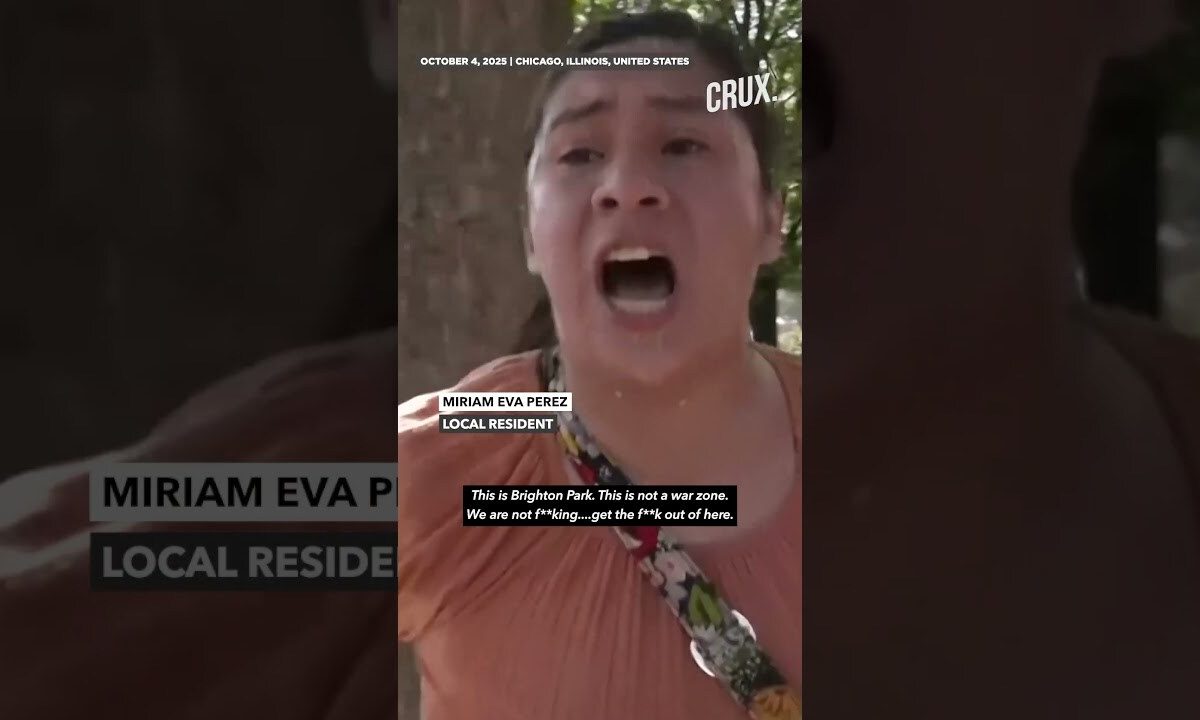
Chicago's Brighton Park became a battleground as tensions boiled over between federal agents and local residents. The spark that ignited this confrontation was the shooting of an armed woman by Border Patrol agents, an incident that quickly escalated into a heated protest. Demonstrators, their voices echoing through the neighbourhood, gathered outside, challenging the heavy-handed tactics of Immigration and Customs Enforcement (ICE) and federal authorities.
The scene was one of anger and defiance as residents confronted law enforcement behind police tape. Protesters decried the use of tear gas in their community, a tactic they believe is a disproportionate response to the situation. The presence of federal agents in the area has been a source of growing resentment since President Trump's crackdown on immigration, with locals feeling their everyday lives are under siege.
This incident is the latest flashpoint in an ongoing conflict. Residents argue that the increased federal presence has led to a climate of fear and tension. They claim that the authorities' actions are excessive and disruptive to their daily lives. The protesters demand accountability and an end to what they perceive as an invasion of their community.
As the standoff continues, the divide between the authorities and the people of Brighton Park seems to widen. This event serves as a stark reminder of the complex and often contentious nature of immigration enforcement and its impact on local communities. With emotions running high, the situation in Chicago remains unresolved, leaving residents and officials alike awaiting the next steps in this tense drama. The city, and the nation, watches closely, anticipating the outcome of this confrontation and its potential implications for the future of immigration policy and community relations.
Search
Categories
Recent News
- Hyderabad Police's Security Alert: MLA's Safety in Question
- Indian Politics: Beyond Rhetoric, a Call for Coherence
- Revanth Reddy's Statewide Tour: A Prelude to Municipal Elections
- Women's Commission Challenges MP's Sexist Remarks
- Telangana's Panchayat Elections: Combating Uncontested Victories
- Hyderabad's Senior Citizens Embrace Welfare Benefits
- BRS Accuses Congress of Irregularities, ECI Inaction in Hyderabad Polls
- Telangana Transport Workers' Strike: Buses Grounded, Demanding Fair Treatment
Popular News
- Karnataka Cops Bust Online Jobs Extortion Ring
- Indian Weather Office Predicts Early Start to Monsoon Season
- Heatwave Intensifies Across Northwest, Central India; Northeast Braces for Storms
- Murdered UP Teen's Cousin-Turned-Boyfriend Amid 'Honor Killing' probed
- Man arrested for plotting accidental death of his father