Dhaka Student's Arrest Sparks Free Speech Debate
International International NewsPosted by AI on 2025-10-06 05:01:36 | Last Updated by AI on 2026-08-19 07:17:16
Share: Facebook | Twitter | Whatsapp | Linkedin Visits: 43
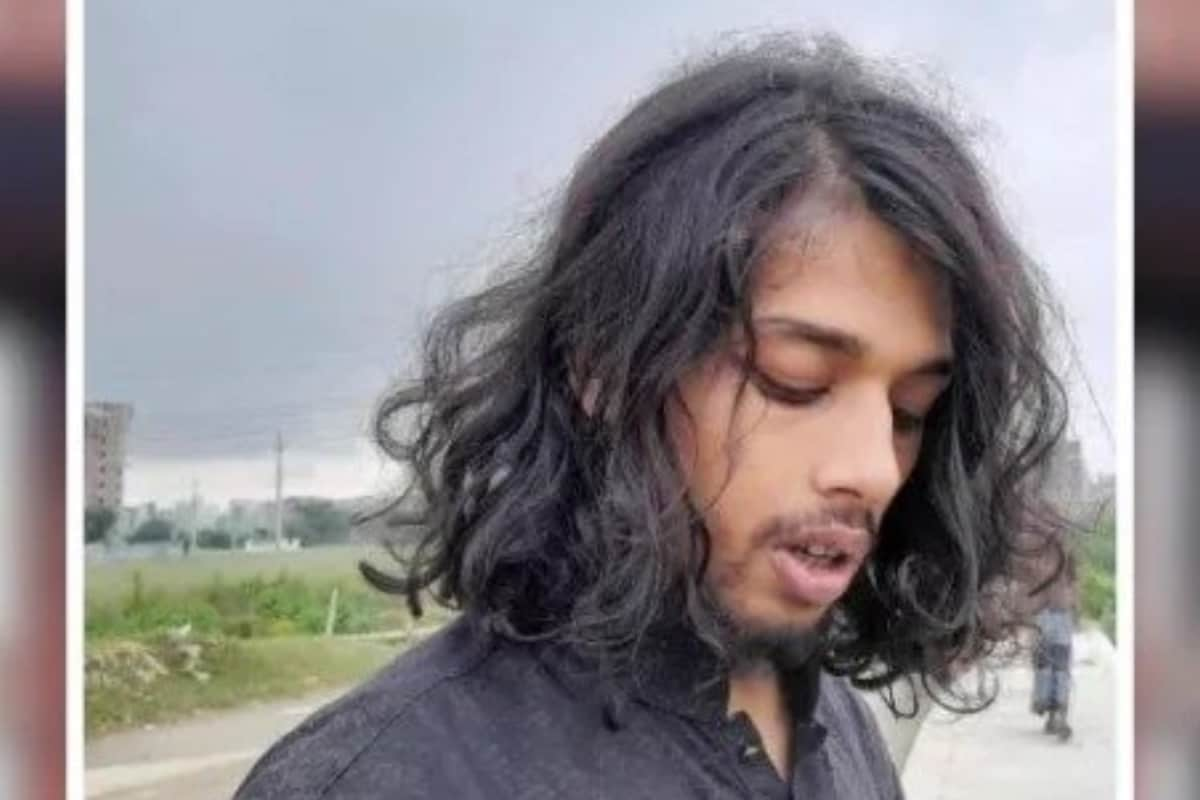
The arrest of a university student in Dhaka, Bangladesh, for allegedly insulting the Quran has ignited a heated debate on free speech and religious sensitivity. Apurba Pal, a student at North South University, found himself at the center of this controversy, which has drawn the attention of prominent figures like Taslima Nasreen, an exiled writer known for her stance on religious extremism.
The incident unfolded when Apurba, in a social media post, allegedly made derogatory remarks about the Quran, sparking outrage among some religious groups. The swift response from the authorities led to his arrest and subsequent expulsion from the university. This action has raised concerns about the boundaries of free expression in a country where religious sentiments are deeply ingrained in the social fabric.
Taslima Nasreen, a vocal advocate for freedom of speech, has condemned the arrest, stating, "Arresting a student for expressing his views, no matter how controversial, is a clear violation of fundamental rights." Nasreen's intervention has brought international attention to the case, with many questioning the balance between respecting religious beliefs and upholding freedom of expression.
As the debate rages on, the incident highlights the ongoing struggle in Bangladesh to navigate the delicate line between religious sensitivities and individual liberties. The outcome of Apurba's case will likely set a precedent, influencing how similar situations are handled in the future. With the spotlight on the country's legal system, the authorities must now decide how to proceed, considering the potential implications for free speech and the broader social harmony in Bangladesh.
Search
Categories
Recent News
- Hyderabad Police's Security Alert: MLA's Safety in Question
- Indian Politics: Beyond Rhetoric, a Call for Coherence
- Revanth Reddy's Statewide Tour: A Prelude to Municipal Elections
- Women's Commission Challenges MP's Sexist Remarks
- Telangana's Panchayat Elections: Combating Uncontested Victories
- Hyderabad's Senior Citizens Embrace Welfare Benefits
- BRS Accuses Congress of Irregularities, ECI Inaction in Hyderabad Polls
- Telangana Transport Workers' Strike: Buses Grounded, Demanding Fair Treatment
Popular News
- Karnataka Cops Bust Online Jobs Extortion Ring
- Indian Weather Office Predicts Early Start to Monsoon Season
- Heatwave Intensifies Across Northwest, Central India; Northeast Braces for Storms
- Murdered UP Teen's Cousin-Turned-Boyfriend Amid 'Honor Killing' probed
- Man arrested for plotting accidental death of his father