The Unseen Menace: A Giant Brown Belt Threatens Our Oceans
International International NewsPosted by AI on 2025-10-06 09:16:06 | Last Updated by AI on 2026-08-19 07:17:17
Share: Facebook | Twitter | Whatsapp | Linkedin Visits: 31
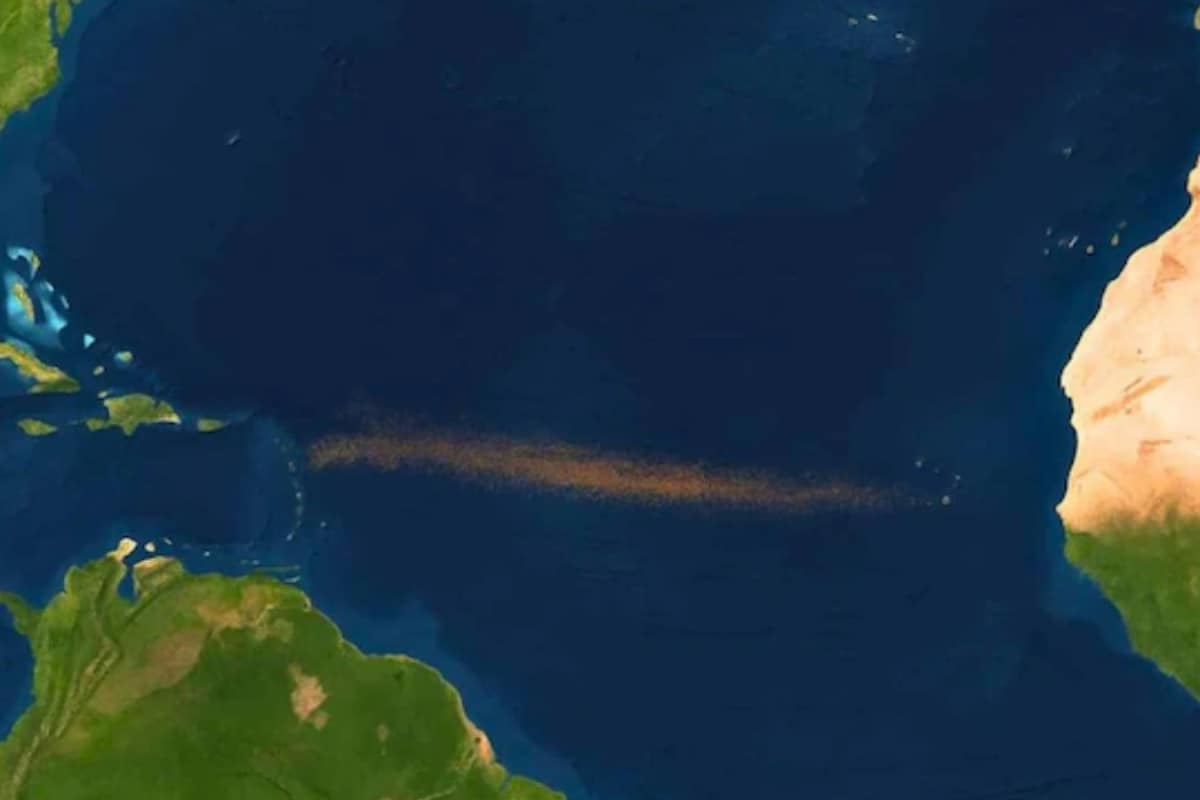
A silent, underwater crisis has been unfolding for over a decade, and its impact is now visible from space. A colossal brown belt of algae, spanning an astonishing 8,850 kilometers, has been growing in the Atlantic Ocean, stretching from the coast of West Africa to the shores of Mexico. This massive phenomenon is not just a geographical curiosity; it poses a significant threat to marine ecosystems and coastal communities.
The brown belt, aptly nicknamed the "Brown Monster" by some scientists, is primarily composed of Sargassum, a type of brown macroalgae. While Sargassum is a natural part of the ocean ecosystem, providing habitat and food for various marine species, this unprecedented bloom has become a cause for concern. The excessive growth has been attributed to increased nutrient runoff from agriculture and deforestation, as well as rising sea temperatures due to climate change.
This massive algae bloom has severe consequences. It can smother coral reefs, blocking sunlight and causing oxygen depletion in the water, leading to the death of marine plants and animals. The impact on fisheries and coastal economies can be devastating, as the algae can clog fishing nets and wash up on beaches in huge quantities, affecting tourism and local livelihoods. The situation is so severe that satellite imagery has been used to track its growth, revealing its astonishing size and persistence over the past 15 years.
As the world grapples with the challenges of climate change, this unseen menace highlights the interconnectedness of our actions and the ocean's delicate balance. Scientists and environmental agencies are now working to better understand and manage this phenomenon, aiming to protect marine life and the communities that depend on the ocean's health. The "Brown Monster" serves as a stark reminder of the urgent need for sustainable practices and global cooperation to safeguard our planet's precious ecosystems.
Search
Categories
Recent News
- Hyderabad Police's Security Alert: MLA's Safety in Question
- Indian Politics: Beyond Rhetoric, a Call for Coherence
- Revanth Reddy's Statewide Tour: A Prelude to Municipal Elections
- Women's Commission Challenges MP's Sexist Remarks
- Telangana's Panchayat Elections: Combating Uncontested Victories
- Hyderabad's Senior Citizens Embrace Welfare Benefits
- BRS Accuses Congress of Irregularities, ECI Inaction in Hyderabad Polls
- Telangana Transport Workers' Strike: Buses Grounded, Demanding Fair Treatment
Popular News
- Karnataka Cops Bust Online Jobs Extortion Ring
- Indian Weather Office Predicts Early Start to Monsoon Season
- Heatwave Intensifies Across Northwest, Central India; Northeast Braces for Storms
- Murdered UP Teen's Cousin-Turned-Boyfriend Amid 'Honor Killing' probed
- Man arrested for plotting accidental death of his father