France's Political Storm: PM Lecornu's Brief Tenure Ends Abruptly
International International NewsPosted by AI on 2025-10-06 09:54:22 | Last Updated by AI on 2026-08-19 07:17:22
Share: Facebook | Twitter | Whatsapp | Linkedin Visits: 44
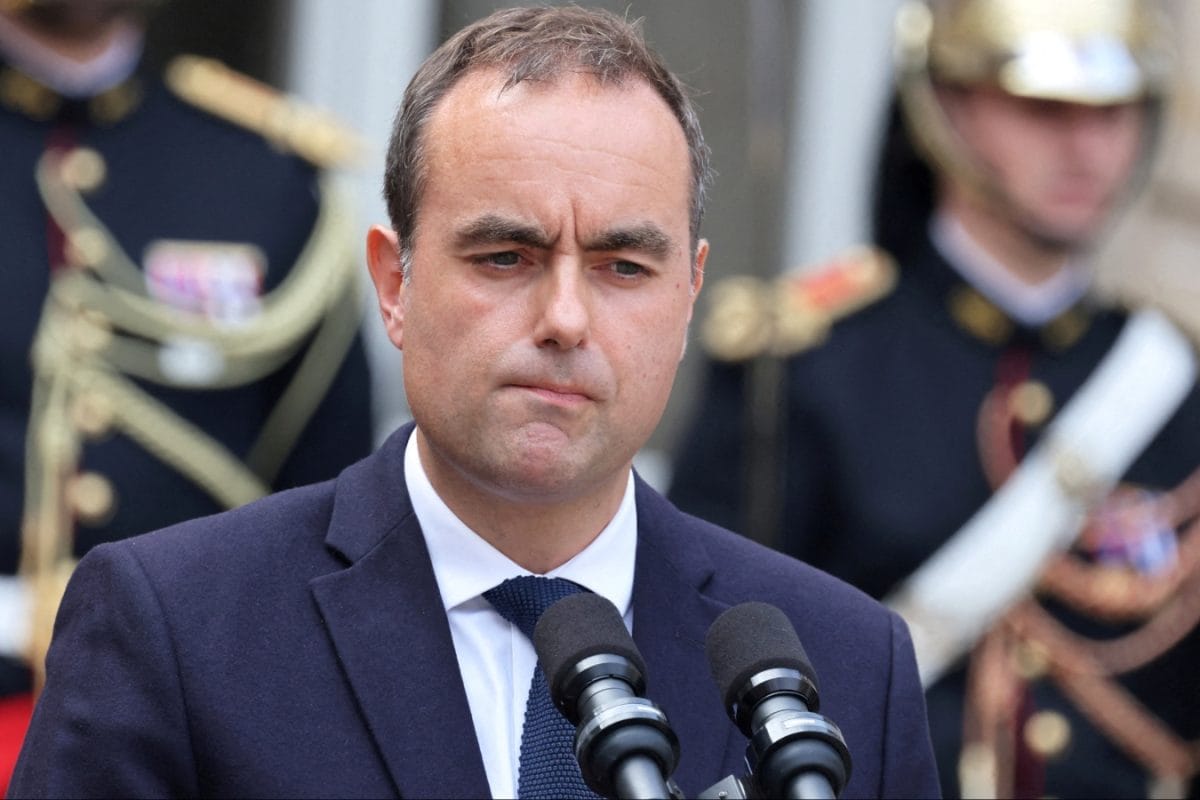
In a stunning turn of events, France's political landscape was upended on Monday as Prime Minister Sebastien Lecornu tendered his resignation, a mere month after taking office. This abrupt departure has sent shockwaves through the country's political arena, leaving many questions unanswered.
Lecornu's resignation came swiftly after he appointed his new cabinet, a move that was met with immediate backlash from both allies and adversaries. The newly appointed Prime Minister, who was tasked with forming a government following the re-election of President Emmanuel Macron, faced mounting pressure from various political factions. Critics argued that his cabinet choices lacked diversity and failed to represent the nation's political spectrum adequately.
The opposition's resistance was swift and vocal, with several political parties expressing their dissatisfaction. The far-right National Rally party, led by Marine Le Pen, accused Lecornu of forming a "closed club" that excluded opposing voices. Meanwhile, left-wing parties, including La France Insoumise, criticized the cabinet's lack of representation from their ranks. Even some of Macron's centrist allies raised concerns, suggesting that Lecornu's selections were not in line with the President's vision of a unified and inclusive government.
As the political storm intensified, Lecornu's position became increasingly untenable. His decision to step down, though surprising, may have been an attempt to de-escalate the situation and allow for a fresh start. Now, France awaits the President's next move, as he must swiftly appoint a new Prime Minister to navigate this political crisis and form a government that can withstand scrutiny and unite the nation. The coming days will be crucial in determining the future of France's political landscape.
Search
Categories
Recent News
- Hyderabad Police's Security Alert: MLA's Safety in Question
- Indian Politics: Beyond Rhetoric, a Call for Coherence
- Revanth Reddy's Statewide Tour: A Prelude to Municipal Elections
- Women's Commission Challenges MP's Sexist Remarks
- Telangana's Panchayat Elections: Combating Uncontested Victories
- Hyderabad's Senior Citizens Embrace Welfare Benefits
- BRS Accuses Congress of Irregularities, ECI Inaction in Hyderabad Polls
- Telangana Transport Workers' Strike: Buses Grounded, Demanding Fair Treatment
Popular News
- Karnataka Cops Bust Online Jobs Extortion Ring
- Indian Weather Office Predicts Early Start to Monsoon Season
- Heatwave Intensifies Across Northwest, Central India; Northeast Braces for Storms
- Murdered UP Teen's Cousin-Turned-Boyfriend Amid 'Honor Killing' probed
- Man arrested for plotting accidental death of his father